




Camera phones peaked in 2007 when Nokia released the N95 with its dedicated camera button. Then touchscreens arrived, and physical camera buttons vanished faster than film rolls at a digital photography convention. Now, fifteen years later, they’re making a comeback across flagship smartphones from Sony, Samsung, and reportedly Apple’s upcoming models.
The resurrection of dedicated camera buttons isn’t nostalgia driving product decisions. It’s a response to how people actually use smartphone cameras today, where split-second timing determines whether you capture the perfect shot or miss it entirely while fumbling through touchscreen menus.
The Problem with Touchscreen-Only Photography
Modern smartphones pack incredible camera technology into devices thinner than most point-and-shoot cameras from a decade ago. Yet accessing that power often requires navigating multiple touchscreen taps, swipes, and menu selections that feel clunky compared to the instant response of physical buttons.
Professional photographers and content creators have voiced frustration with touchscreen-only camera controls for years. The lack of tactile feedback makes it difficult to adjust settings without looking at the screen, while attempting to capture moving subjects often results in missed shots due to interface lag or accidental touches on the wrong part of the screen.
Sony recognized this limitation early, maintaining dedicated camera buttons on their Xperia smartphone line even when competitors abandoned physical controls entirely. The company’s background in professional camera equipment influenced their mobile design philosophy, treating smartphones as serious photography tools rather than communication devices with camera features.
Recent user behavior studies reveal that smartphone photography now accounts for over 90% of all photos taken globally, with many users shooting in burst mode or recording video clips lasting just seconds. These usage patterns demand immediate camera access and intuitive physical controls that work without visual confirmation.
Hardware Innovation Meets User Demands
The new generation of dedicated camera buttons goes far beyond simple shutter releases. Samsung’s latest Galaxy S24 Ultra features a pressure-sensitive camera key that responds to different levels of force, enabling half-press focus lock functionality similar to professional cameras. Light pressure activates autofocus, while full pressure captures the image.
Apple’s upcoming iPhone models reportedly include a “Capture Button” that combines traditional shutter functionality with gesture controls. Users can slide their finger across the button surface to zoom in and out, or apply varying pressure to switch between photo and video modes without touching the main screen.
These advanced implementations address specific pain points in mobile photography workflows. The ability to launch camera apps instantly from sleep mode, adjust zoom levels through physical controls, and maintain steady grip while shooting represents a significant improvement over touchscreen-only interfaces.
Integration with existing smartphone ecosystems proves crucial for widespread adoption. The new camera buttons work seamlessly with computational photography features like portrait mode, night mode, and AI-powered scene detection. Physical controls handle immediate capture needs while software continues processing images in the background.
Manufacturing considerations also play a role in the camera button revival. Modern production techniques allow for precise pressure sensing and haptic feedback integration without significantly increasing device thickness or weight. Waterproofing technologies ensure these physical buttons maintain smartphone durability standards.
Professional Features in Pocket Devices
The return of dedicated camera buttons coincides with smartphones reaching near-professional camera quality. Features like 8K video recording, multi-lens systems with telephoto capabilities, and advanced stabilization systems demand more sophisticated control interfaces than touchscreens alone can provide.
Content creators driving smartphone purchases increasingly demand professional-grade functionality. TikTok creators, Instagram influencers, and YouTube content producers need reliable, fast camera access that doesn’t interfere with their creative workflow. Physical buttons eliminate the common problem of accidentally ending recordings or switching modes during critical moments.
Camera button placement varies across manufacturers, with most positioning them where traditional cameras locate shutter releases. This familiar positioning reduces learning curves for users transitioning from dedicated cameras to smartphone photography. The tactile feedback also enables blind operation, allowing photographers to keep their eyes on subjects rather than screens.
Integration with advanced connectivity features enhances the professional utility of these camera buttons. Photographers can capture images and immediately share them through satellite-enabled messaging or cloud backup systems, streamlining workflows that previously required multiple device interactions.
Some manufacturers implement customizable button functions, allowing users to assign different photography modes or even non-camera functions to their dedicated buttons. This flexibility appeals to power users who prefer hardware shortcuts over software navigation.
Market Response and Future Integration
Early market response to smartphones featuring dedicated camera buttons shows positive user reception, particularly among photography enthusiasts and content creators. Sales data from Sony’s Xperia line demonstrates sustained demand for physical camera controls, even when competing devices offer similar image quality through touchscreen interfaces.
Consumer feedback highlights improved photography confidence when using physical camera buttons. Users report feeling more comfortable attempting challenging shots, such as action photography or low-light scenarios, when they can rely on tactile controls rather than precise touchscreen interactions.
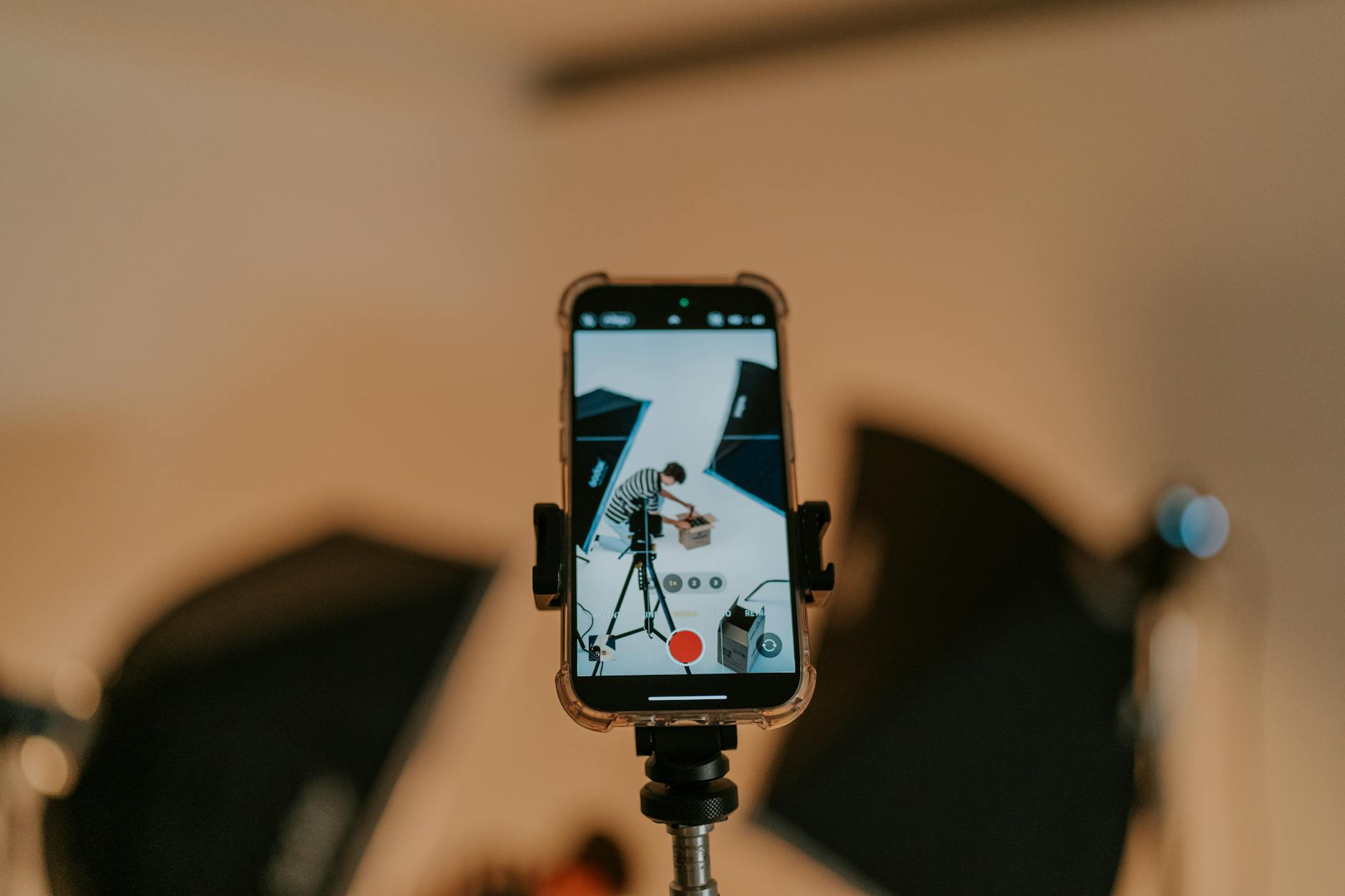
The integration of camera buttons with emerging smartphone technologies points toward more sophisticated implementations in future devices. Machine learning algorithms could analyze shooting patterns and automatically adjust button sensitivity based on user preferences or environmental conditions.
Accessibility benefits from physical camera buttons extend beyond photography enthusiasts. Users with motor difficulties or visual impairments find physical controls more reliable than touchscreen interfaces, expanding smartphone photography access to broader user groups.
As smartphone cameras continue advancing toward professional equipment quality, dedicated camera buttons represent a logical evolution in mobile device design. The combination of instant access, tactile feedback, and advanced functionality addresses real user needs while maintaining the slim profiles and premium aesthetics modern consumers expect.
The resurrection of camera buttons signals a broader trend toward hybrid interfaces that combine touchscreen flexibility with physical control precision. Rather than viewing this as a step backward, smartphone manufacturers recognize that optimal user experiences sometimes require the best elements of both digital and analog interface design.
Frequently Asked Questions
Why did smartphone camera buttons disappear originally?
Touchscreen interfaces dominated design in the early smartphone era, and manufacturers prioritized thin profiles over physical buttons.
Which smartphones currently have dedicated camera buttons?
Sony Xperia models maintain camera buttons, while Samsung’s Galaxy S24 Ultra and upcoming iPhone models feature advanced camera controls.