




Samsung’s latest Galaxy A-series phones pack a surprising feature once reserved for premium devices: S Pen support. The Korean tech giant is quietly expanding stylus functionality beyond its flagship Galaxy Note and Galaxy S Ultra lines, bringing digital pen capabilities to phones priced under $400.
This shift represents more than just feature creep. Samsung is responding to changing user behavior, where mobile productivity, digital art creation, and precise navigation have become essential for users across all price segments. The company’s internal research shows that stylus usage has grown 40% year-over-year, particularly among students, professionals working remotely, and creative professionals who can’t justify flagship pricing.
The Technical Challenge of Budget Stylus Integration
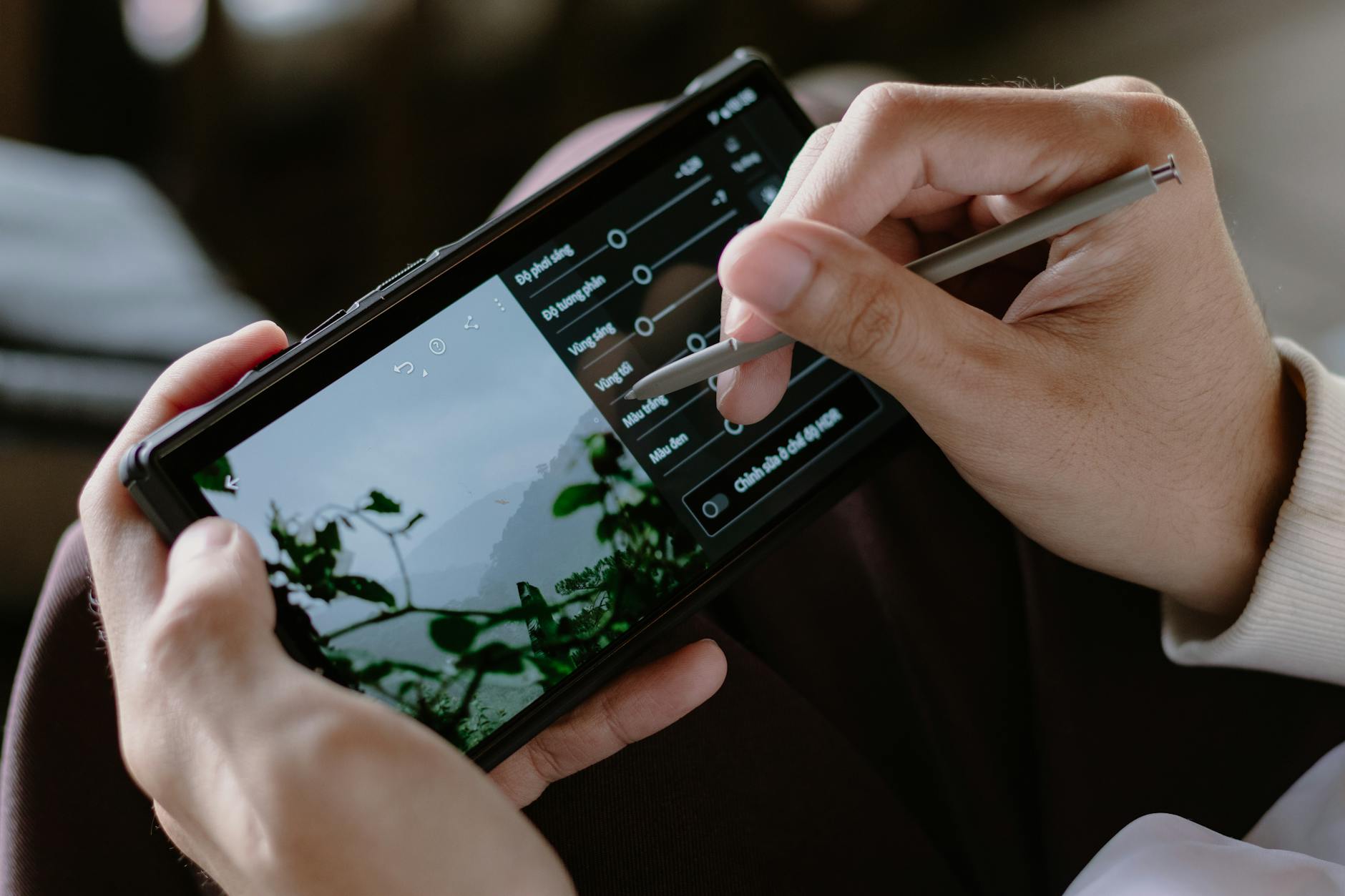
Adding S Pen support to budget phones isn’t simply about including a plastic stick. Samsung had to overcome significant engineering hurdles to maintain stylus accuracy while hitting aggressive price targets. The company developed a simplified version of its Wacom EMR technology that reduces component costs by approximately 60% compared to flagship implementations.
The budget S Pen variants feature 2,048 pressure sensitivity levels instead of the 4,096 found in premium models. While this sounds like a significant reduction, real-world testing shows minimal impact on writing and drawing experiences for casual users. Samsung’s engineers focused on optimizing palm rejection algorithms and reducing input latency to under 9 milliseconds, ensuring the core stylus experience remains responsive.
Battery life posed another challenge. Budget Galaxy phones typically feature smaller batteries and less efficient processors, making power management crucial when adding stylus detection hardware. Samsung implemented selective wake protocols that activate stylus sensors only when the phone detects pen proximity, reducing idle power consumption by 30%.
Market Positioning Against Apple and Google
Samsung’s stylus expansion directly challenges Apple’s iPad-centric approach to mobile productivity. While Apple Pencil support remains exclusive to tablets, Samsung is betting that phone-based stylus input will appeal to users who prefer single-device workflows. The company’s market research indicates that 65% of stylus users primarily take handwritten notes, sketch ideas, or mark up documents during commutes or in situations where tablets are impractical.
Google’s Pixel phones have largely ignored stylus support, focusing instead on computational photography and AI features. This creates an opening for Samsung to differentiate its budget offerings in crowded Android markets. Early sales data from South Korea and India shows Galaxy A-series phones with S Pen support commanding 15-20% price premiums over comparable stylus-free models, suggesting consumer willingness to pay for the feature.
The timing aligns with broader mobile photography trends, as mobile photography apps are adding professional film grain effects and other creative tools that benefit from precise stylus control. Samsung has optimized its camera app to work seamlessly with S Pen input for manual focus adjustments and exposure compensation.
Software Optimization and User Experience
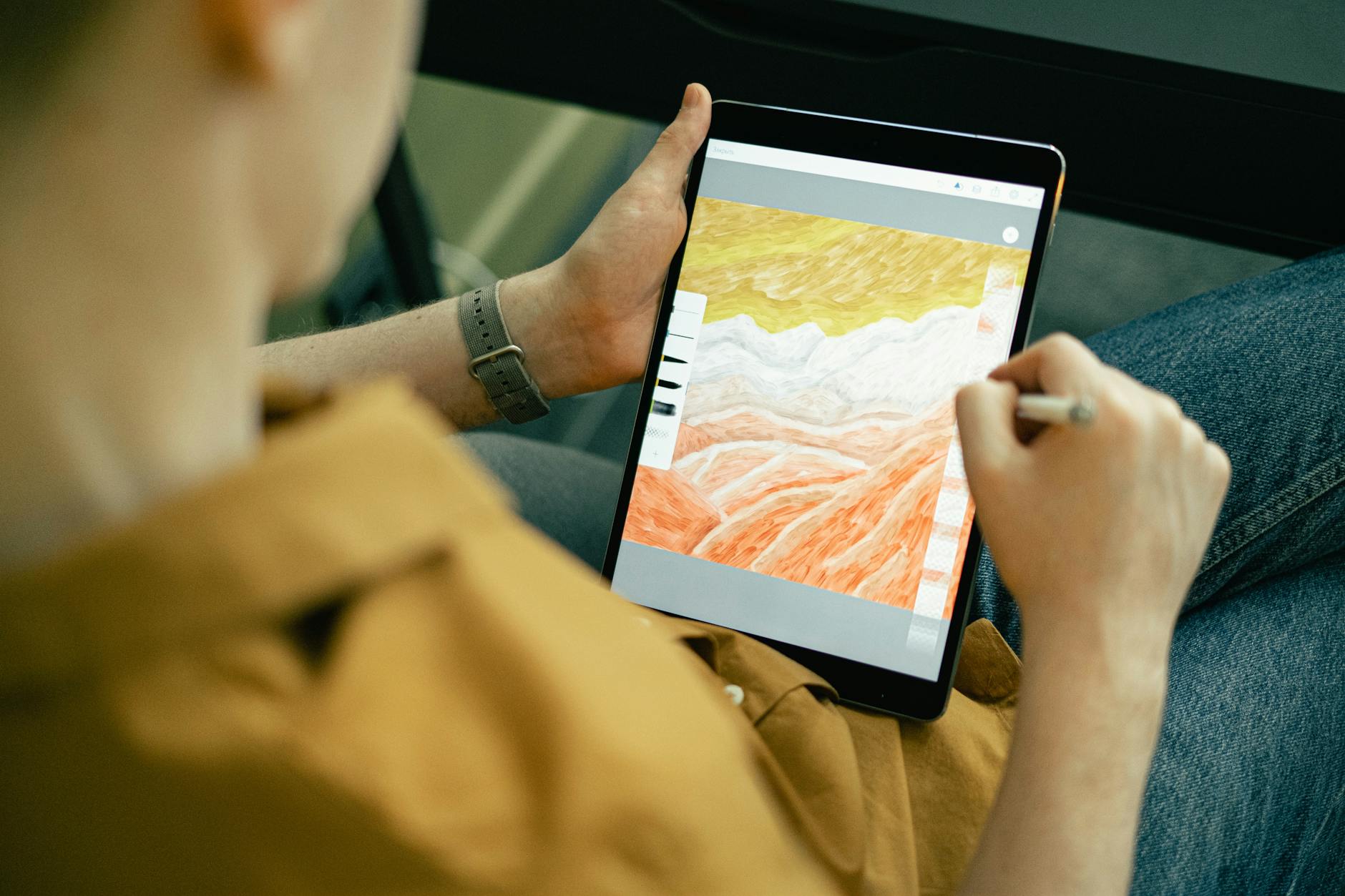
Samsung’s One UI interface has been extensively modified to accommodate stylus input across price tiers. The company developed simplified versions of its Air Command menu and S Pen gestures that work reliably on budget processors. Key features include Smart Select for screenshot annotation, Screen Write for full-page markup, and Live Messages for animated handwriting.
The software team faced particular challenges optimizing handwriting recognition for international markets. Samsung’s neural networks now support 28 languages with offline processing, ensuring stylus functionality works regardless of connectivity. The handwriting-to-text conversion accuracy averages 94% across supported languages, matching premium device performance.
Samsung has also partnered with Microsoft to optimize Office apps for S Pen input on budget devices. PowerPoint presentations can be annotated directly, while OneNote synchronizes handwritten notes across devices. These integrations position Samsung’s budget stylus phones as legitimate productivity tools rather than novelty features.
Third-party app support remains crucial for adoption. Samsung provides development tools and guidelines helping apps optimize for stylus input, with particular focus on note-taking apps, digital art platforms, and educational software. Popular apps like Notability, Procreate-style drawing programs, and language learning platforms have begun adding S Pen-specific features.
Global Rollout and Market Response
Samsung’s stylus expansion follows a measured regional approach. South Korea and select European markets received the first budget S Pen devices in late 2023, with positive reception driving broader availability. The Galaxy A54 5G with S Pen support launched in 15 additional countries throughout 2024, with plans for global availability by early 2025.
Educational markets have shown particularly strong interest. School districts in several states have begun pilot programs using Samsung’s budget stylus phones for digital note-taking and interactive learning. The devices cost significantly less than tablet-plus-stylus combinations while offering cellular connectivity for remote learning scenarios.
Corporate adoption is also emerging. Companies providing field workers with mobile devices appreciate having annotation capabilities for photos, digital signatures for contracts, and precise navigation for mapping applications. This trend mirrors how satellite messaging features are expanding to budget Android phones, bringing formerly premium capabilities to broader user bases.
Manufacturing challenges initially limited availability, as Samsung’s supply chain needed time to scale simplified Wacom digitizer production. The company has since established additional production lines in Vietnam and India, reducing wait times and enabling more aggressive pricing in key markets.
Samsung’s stylus democratization represents a significant shift in mobile computing expectations. By bringing sophisticated input methods to budget devices, the company is betting that stylus interaction will become as fundamental as touchscreen input. Early adoption patterns suggest this gamble may pay off, particularly as remote work and digital creativity continue expanding beyond traditional professional boundaries.
The success of budget S Pen devices could accelerate similar moves from competitors, potentially making stylus support a standard feature across Android price tiers within the next two years. For consumers, this means access to precision input tools without the premium device pricing that has historically accompanied such capabilities.
Frequently Asked Questions
Which Samsung budget phones have stylus support?
Samsung’s Galaxy A-series phones now include S Pen support in select models, starting with devices priced under $400.
How does budget S Pen compare to flagship versions?
Budget S Pen offers 2,048 pressure levels versus 4,096 in premium models, but maintains responsive performance for most users.