



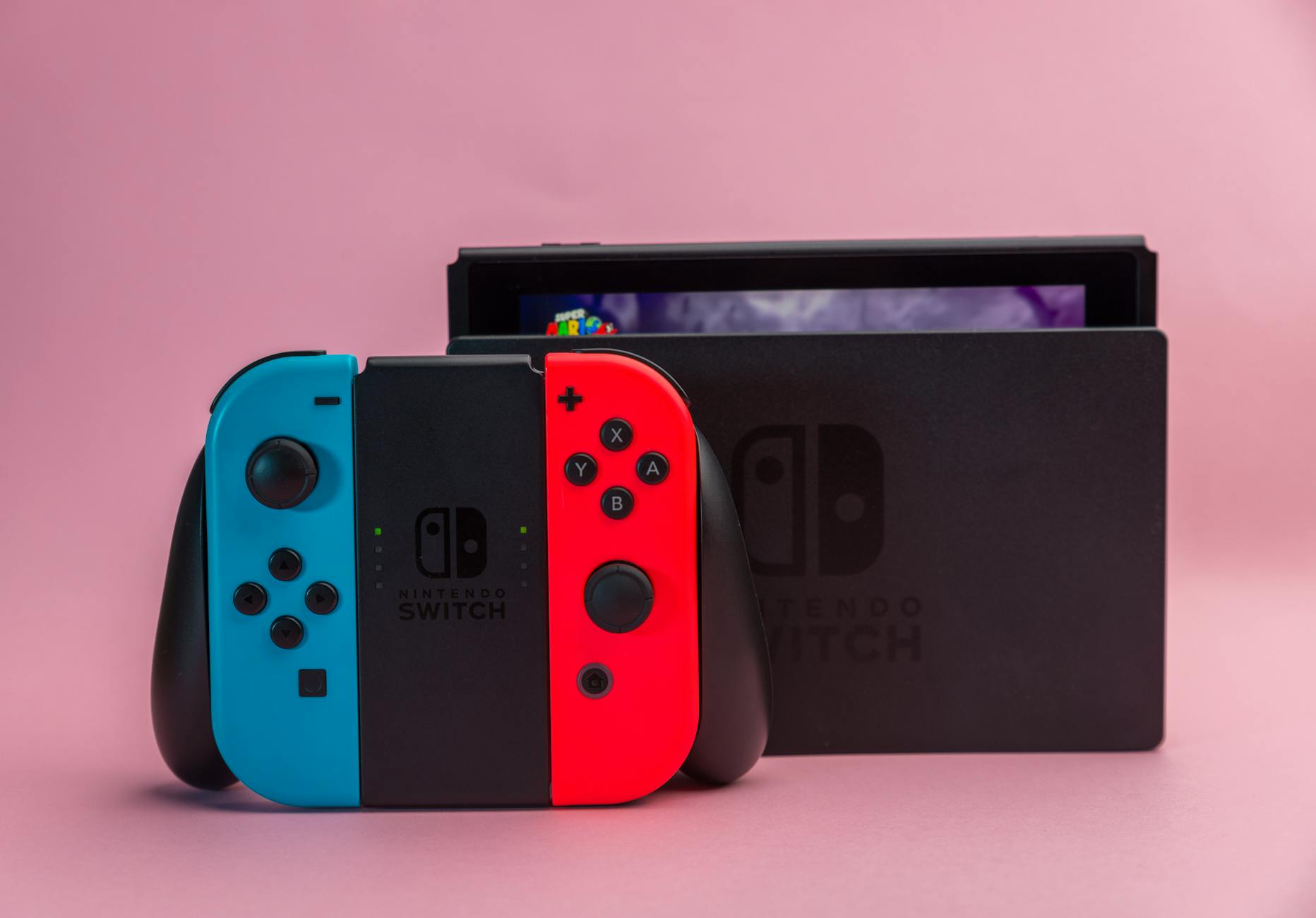
Nintendo’s next-generation handheld console is making waves before its official announcement, with leaked specifications suggesting the company is doubling down on a feature that made the original Switch a massive success. Recent reports from industry sources indicate the Switch 2 will prioritize backward compatibility with existing Switch games, a strategic move that could preserve Nintendo’s massive software library while attracting new users.
The leaked specifications, which surfaced through multiple gaming industry channels, point to hardware architecture designed specifically to run current Switch titles without modification. This approach represents a significant shift from Nintendo’s historical pattern of creating entirely new platforms that left previous game libraries behind.
Hardware Architecture Built for Legacy Support
The reported specifications reveal Nintendo’s commitment to maintaining compatibility with the Switch’s extensive game catalog. Sources familiar with the development suggest the Switch 2 will feature an upgraded NVIDIA Tegra processor that maintains instruction set compatibility with the current system while delivering substantially more processing power.
This architectural decision contrasts sharply with Nintendo’s previous console transitions. The company historically moved between different processor families, making backward compatibility challenging or impossible. The Wii U could play Wii games, but the Switch abandoned that capability entirely, forcing users to repurchase classic titles through digital storefronts.
The leaked specifications indicate Nintendo learned from the Switch’s commercial success, where a strong software library became the platform’s primary selling point. With over 100 million Switch consoles sold and thousands of games available, maintaining access to this ecosystem represents significant value for both existing and new users.
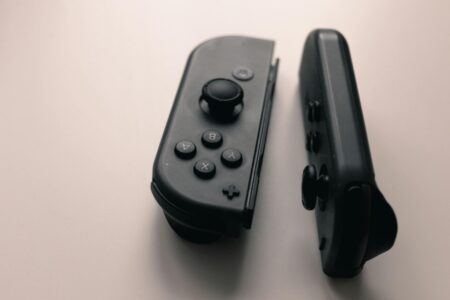
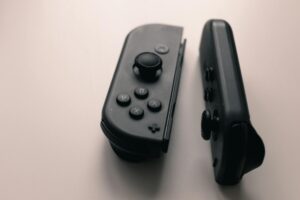
Industry analysts suggest this compatibility focus addresses one of gaming’s persistent challenges: the loss of game libraries during console transitions. The detachable controller design popularized by handheld gaming devices has shown that preserving user investment in software drives adoption rates significantly higher than starting fresh with each generation.
Strategic Implications for Nintendo’s Market Position
The backward compatibility strategy positions Nintendo to compete more effectively with PC gaming platforms and digital storefronts that offer permanent game libraries. Steam users can access titles purchased decades ago, while console owners typically lose their collections with each hardware generation.
Nintendo’s approach could fundamentally change how consumers view console purchases. Instead of periodic complete library replacements, users would see the Switch 2 as an upgrade path that preserves their existing investment. This model resembles smartphone upgrades, where new hardware enhances performance without abandoning previous app purchases.
The leaked specifications also suggest enhanced performance modes for existing Switch games. Current titles could potentially run at higher frame rates or resolutions on the new hardware, providing immediate value without requiring developer updates. This feature would address long-standing performance limitations in popular Switch games that currently struggle to maintain stable frame rates.
Market research indicates consumers increasingly value digital game preservation. The success of backward compatibility on Xbox consoles and the popularity of retro gaming collections demonstrate strong demand for accessing older titles on modern hardware. Nintendo’s reported focus on this feature could attract users who previously avoided console gaming due to concerns about losing their game libraries.
Impact on Game Development and Third-Party Publishers
The backward compatibility focus creates interesting dynamics for game developers and publishers. Studios can continue supporting existing Switch titles while gradually transitioning to Switch 2 development, avoiding the typical sharp cutoff that occurs with new console generations.
This transition model benefits smaller developers who might struggle to immediately support new hardware. Independent studios can maintain revenue from existing Switch games while building resources for next-generation development. The approach particularly helps indie developers who often lack resources for simultaneous multi-platform development.
Third-party publishers can leverage their existing Switch catalogs as immediate Switch 2 content while developing enhanced versions or sequels. This strategy reduces the content drought that typically accompanies new console launches, when software libraries start essentially empty.
The leaked specifications suggest Nintendo plans to support both console generations simultaneously for an extended period. This approach differs from Sony and Microsoft’s strategies, where previous generation support typically ends within two to three years of new hardware launches.
Consumer Benefits and Market Expansion
For consumers, the backward compatibility focus removes one of the primary barriers to adopting new gaming hardware. Users can upgrade without losing access to their game libraries, making the Switch 2 purchase decision significantly easier than typical console transitions.
The strategy also addresses Nintendo’s challenge of attracting new users who missed the original Switch generation. New buyers would gain access to the entire existing game catalog immediately, providing exceptional value compared to purchasing a new console with limited software options.
Parents particularly benefit from this approach, as family game collections remain accessible across hardware generations. The substantial investment many families make in children’s games would carry forward, making the upgrade more financially reasonable.
The leaked specifications indicate Nintendo recognizes gaming as an increasingly expensive hobby. By preserving software investments, the company addresses consumer concerns about the total cost of gaming while building stronger brand loyalty through reduced switching costs.
Looking Forward: A New Console Transition Model
Nintendo’s reported backward compatibility strategy could establish a new standard for console generations. Rather than complete ecosystem resets, the industry might move toward iterative hardware improvements that maintain software continuity.
This approach aligns with broader technology trends toward gradual upgrades rather than revolutionary changes. Smartphones, computers, and even cars now follow upgrade paths that preserve user investments while delivering improved performance and features.
The gaming industry has struggled with digital preservation and consumer value retention for decades. Nintendo’s focus on backward compatibility, if the leaked specifications prove accurate, represents a significant step toward solving these persistent challenges while building a more sustainable business model for the future.
Frequently Asked Questions
Will Nintendo Switch 2 play original Switch games?
Leaked specifications suggest full backward compatibility with the existing Switch game library, allowing users to play current titles on new hardware.
How does backward compatibility benefit Nintendo Switch 2 buyers?
Users can upgrade hardware without losing their game collections, making the transition more valuable and reducing total ownership costs.