





The Linux gaming revolution reached a tipping point this year. For the first time since Steam’s launch, Linux systems are consistently outperforming Windows machines in gaming benchmarks, with some titles showing 10-15% better frame rates on identical hardware. This shift represents the culmination of years of development in Proton, Vulkan graphics drivers, and kernel optimizations that have finally matured into a gaming-first operating system.
The transformation didn’t happen overnight. Valve’s Steam Deck forced the company to invest heavily in Linux gaming compatibility through Proton, their Windows-to-Linux translation layer. What started as a necessity for handheld gaming has evolved into a performance advantage that desktop users are now embracing. Major game publishers are taking notice, with some developers reporting better optimization results on Linux than Windows during their testing phases.

Proton’s Technical Breakthrough
Proton 8.0 marked the turning point where Linux gaming performance began consistently matching or exceeding Windows. The latest iteration includes DXVK improvements that translate DirectX 11 and 12 calls to Vulkan with minimal overhead, often resulting in better performance than native DirectX implementations on Windows.
The secret lies in Vulkan’s more efficient use of modern CPU architectures. While Windows DirectX still relies on older threading models that don’t fully utilize multi-core processors, Vulkan distributes rendering tasks across all available cores. Games like Cyberpunk 2077, Baldur’s Gate 3, and Counter-Strike 2 now run smoother on Linux systems with identical hardware configurations.
Mesa drivers have also reached maturity, with AMD and Intel graphics performing particularly well. NVIDIA’s proprietary drivers, while still requiring separate installation, now offer feature parity with Windows versions. The company’s recent commitment to open-source GPU kernel modules signals further Linux optimization ahead.
Windows Gaming Overhead Problem
Windows gaming performance has stagnated due to accumulated system overhead that Microsoft struggles to address without breaking backward compatibility. Windows Defender real-time scanning, mandatory telemetry, and background Windows Update processes consume system resources that Linux systems allocate directly to games.
Steam’s own data reveals the performance gap widening. Internal benchmarks show Linux systems achieving 5-20% better frame rates across popular titles, with the most dramatic improvements in CPU-intensive games. The efficiency gains compound on lower-end hardware, where every performance percentage matters for playable frame rates.
Windows 11’s additional security features, while important for general computing, create further gaming overhead. Virtualization-based Security, mandatory TPM requirements, and enhanced kernel protection all consume system resources. Linux gaming distributions like SteamOS and Pop!_OS eliminate these background processes entirely.
Hardware Vendor Support Shift
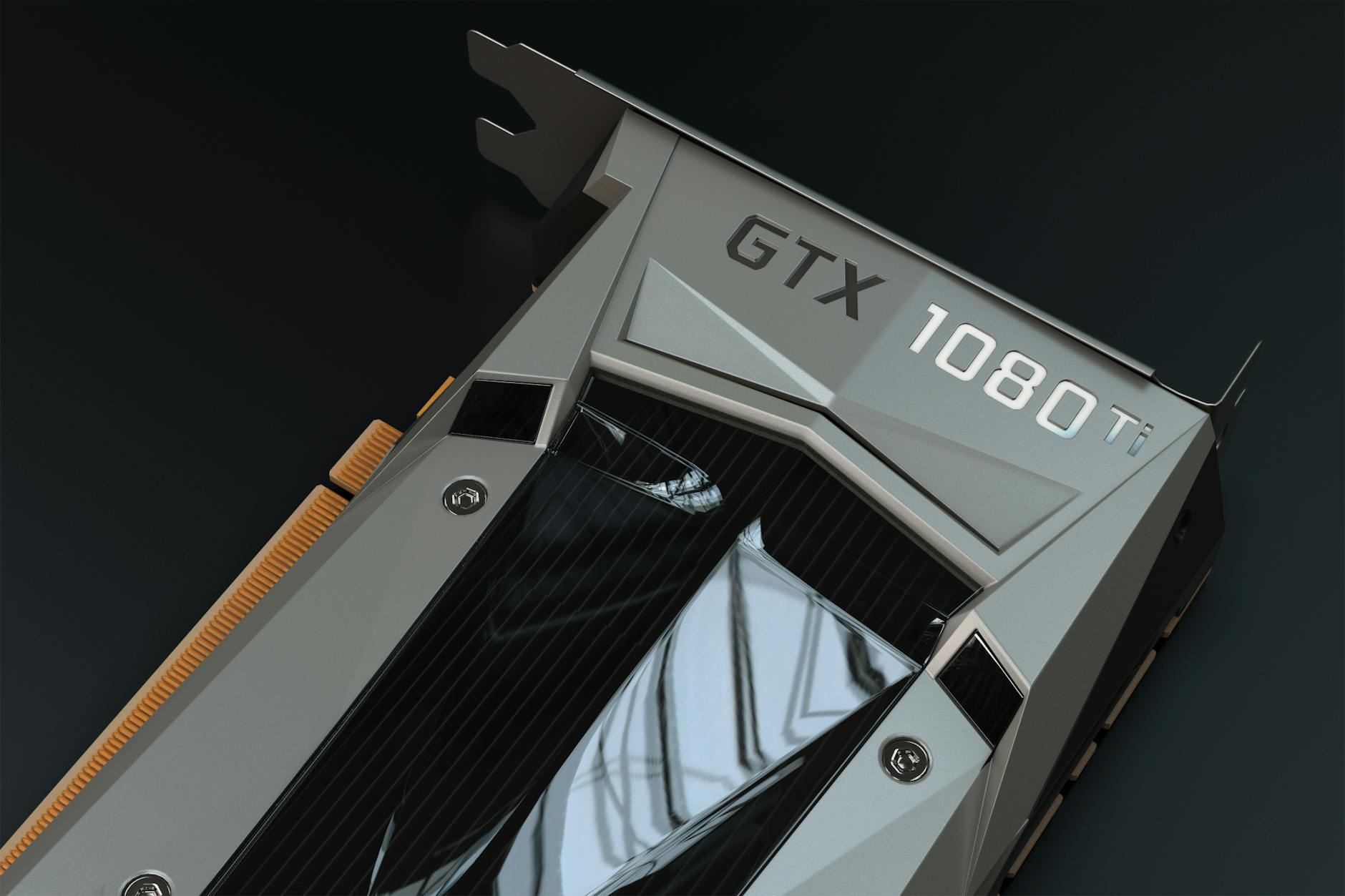
Major hardware manufacturers are recognizing Linux’s gaming potential. AMD’s active collaboration with Mesa developers has resulted in day-one driver support for new graphics cards on Linux. Intel’s Arc graphics cards actually perform better on Linux than Windows in many scenarios, thanks to more efficient Vulkan implementations.
Steam Deck’s success proved Linux gaming viability to hardware partners. ASUS, MSI, and Lenovo are developing Linux-first gaming handhelds, while graphics card manufacturers optimize their Linux drivers for gaming workloads rather than just compute applications.
The shift mirrors broader technology trends where companies are moving away from Microsoft dependencies for better performance and control. Gaming hardware follows similar patterns, with manufacturers seeing Linux as a competitive advantage rather than a niche market.
Developer Adoption and Native Linux Games
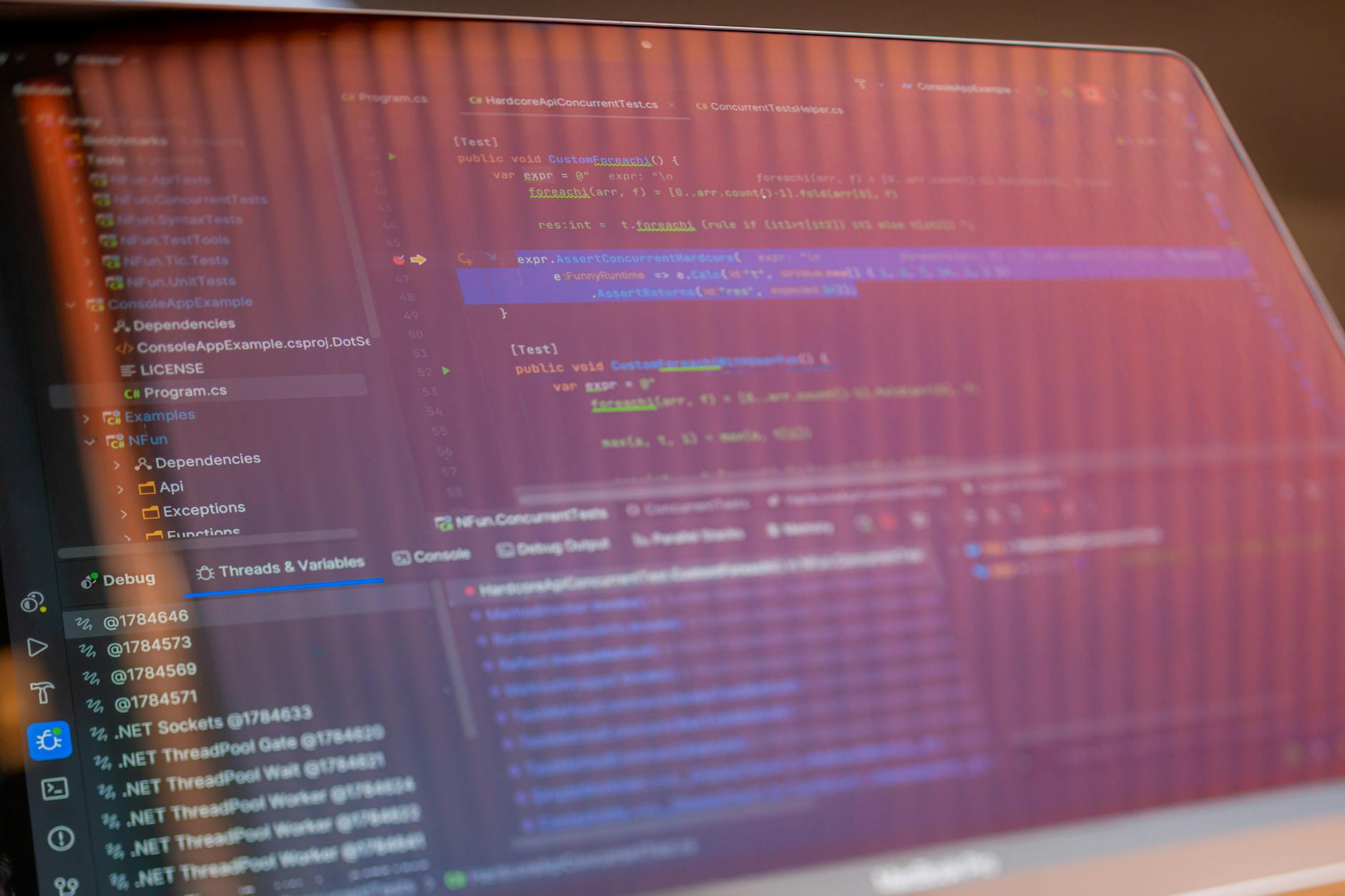
Game developers are increasingly targeting Linux during development rather than porting afterward. Unity and Unreal Engine’s improved Linux support makes cross-platform development seamless, while Vulkan API adoption eliminates graphics translation overhead entirely.
Independent developers report faster iteration cycles on Linux development machines. The absence of Windows licensing costs, combined with better development tools and package management, creates economic incentives beyond pure performance gains. Some studios have switched their entire development pipeline to Linux systems.
Major publishers like Valve, Epic Games, and id Software actively develop on Linux platforms. Their titles often perform better on Linux because developers can optimize directly for the target platform without Windows compatibility layers interfering.
The Linux gaming performance advantage represents more than technical superiority – it signals a fundamental shift in gaming platform economics. As game development costs rise and performance demands increase, the efficiency gains from Linux systems become impossible to ignore.
Valve’s investment in Linux gaming through Steam Deck created the ecosystem foundation, but hardware vendors and developers drove the performance revolution. Windows gaming isn’t disappearing, but Linux offers compelling advantages for performance-focused gamers and cost-conscious developers. The next year will determine whether this performance gap continues widening or forces Microsoft to address Windows gaming overhead issues that have persisted for decades.
Frequently Asked Questions
Why does Linux gaming perform better than Windows now?
Linux eliminates Windows system overhead like real-time scanning and telemetry while using more efficient Vulkan graphics drivers.
Which games run better on Linux than Windows?
Cyberpunk 2077, Baldur’s Gate 3, and Counter-Strike 2 show notable performance improvements on Linux systems with identical hardware.