


Flagship smartphones are quietly abandoning wireless charging across multiple product lines, with manufacturers choosing lightning-fast wired solutions over the convenience of cable-free power. This shift marks a significant departure from the industry’s decade-long push toward wireless technology adoption.
The trend emerges as phone makers prioritize charging speed above all else. While premium wireless chargers typically max out at 15-50 watts, modern wired solutions now deliver 100-150 watts of power, filling batteries from empty to full in under 30 minutes. Major Android manufacturers like OnePlus, Xiaomi, and Realme have introduced flagships that skip wireless charging entirely, focusing resources on proprietary fast-charging technologies instead.
This decision reflects changing user priorities. Market research indicates consumers value charging speed over wireless convenience, particularly in regions where phone usage patterns involve heavy daily consumption. The typical smartphone user now drains their battery completely at least once per day, making rapid charging more crucial than eliminating cables.
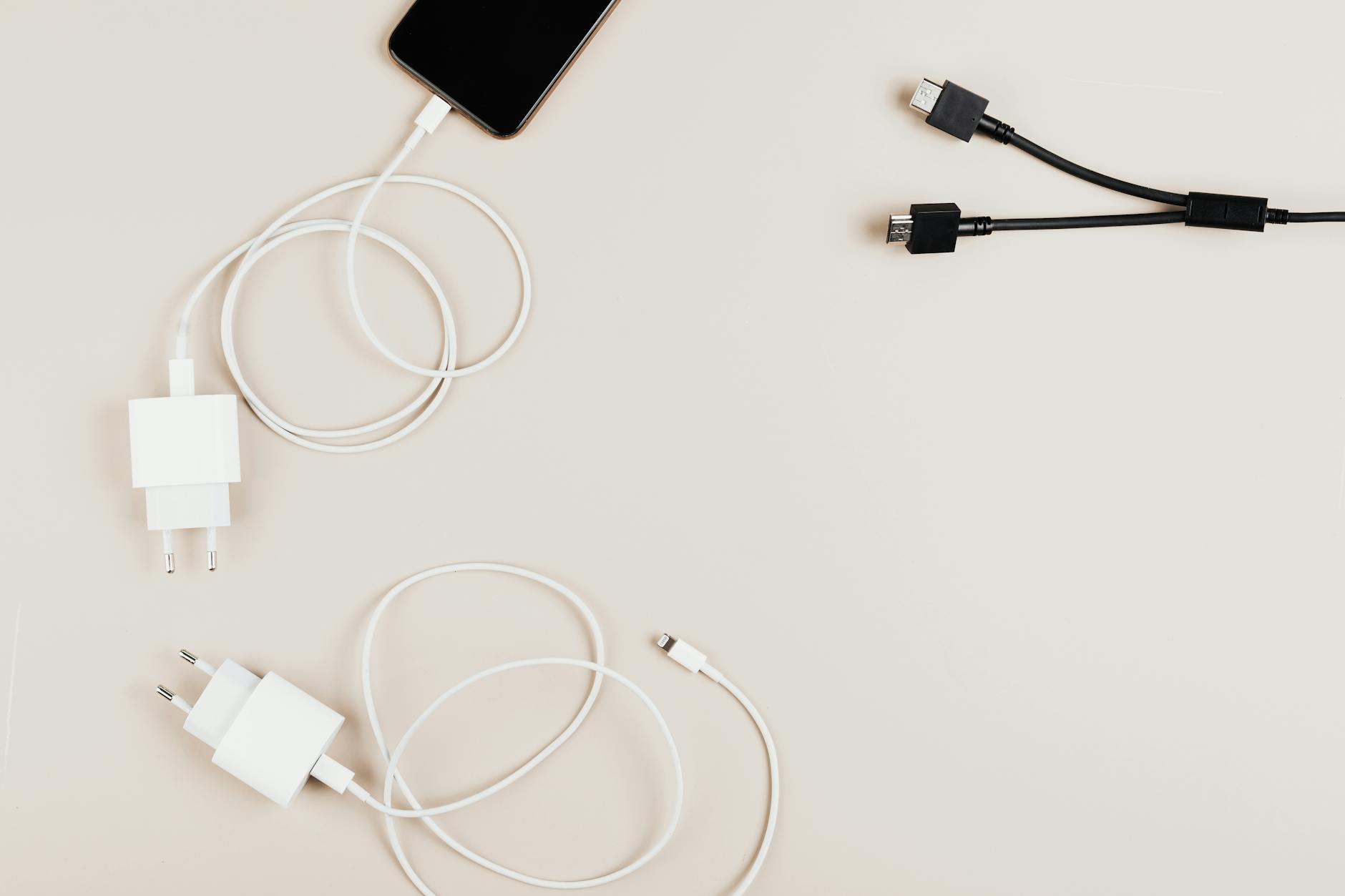
The Physics Problem: Why Wireless Can’t Compete
Wireless charging faces fundamental physical limitations that wired solutions don’t encounter. Energy transfer through electromagnetic induction inherently loses efficiency – typically 60-70% compared to wired charging’s 90-95% efficiency. This energy loss translates directly into heat generation, requiring careful thermal management that slows charging speeds.
The Qi wireless standard, adopted by most manufacturers, operates within strict power delivery constraints to prevent overheating. Even the latest Qi2 specification caps at 15 watts for most devices, though some proprietary solutions reach 50 watts under optimal conditions. Meanwhile, wired charging continues advancing rapidly – some phones now support 240-watt charging that can fully charge large batteries in minutes rather than hours.
Heat management becomes critical at higher wireless power levels. Manufacturers must implement complex cooling systems, magnetic alignment mechanisms, and foreign object detection – all adding cost and complexity. Wired charging sidesteps these thermal challenges by conducting power directly through copper cables designed for high-current applications.
Market Segmentation Strategy
Phone manufacturers are strategically segmenting their product lines around charging technology. Premium models often retain wireless charging as a luxury feature, while performance-focused flagships prioritize speed over convenience. This approach allows companies to differentiate products and target specific consumer segments.
OnePlus exemplifies this strategy with their recent releases. Their flagship models emphasize 100-watt+ wired charging while positioning wireless charging as secondary. The company’s research indicated their core audience – mobile gamers and power users – preferred rapid charging between gaming sessions over overnight wireless charging convenience.
Similarly, gaming-focused phones from brands like ASUS ROG and Nubia RedMagic typically omit wireless charging entirely. These devices target users who demand maximum performance and minimal charging downtime, making 120-150 watt wired solutions more appealing than wireless alternatives.
The cost factor also influences these decisions. Wireless charging requires additional hardware including induction coils, power management circuits, and thermal protection systems. Removing these components allows manufacturers to allocate budget toward faster processors, better cameras, or more advanced cooling systems – features more directly impacting user experience.
Regional Preferences Drive Design Choices
Geographic markets show distinct preferences that influence manufacturer decisions. Asian markets, particularly China and India, heavily favor fast wired charging due to usage patterns involving frequent gaming, video streaming, and social media consumption. Users in these regions often charge their phones multiple times daily, making speed paramount.
European and North American markets traditionally preferred wireless charging convenience, but recent surveys indicate shifting attitudes. The rise of remote work and increased phone dependency during extended use sessions has made rapid charging more valuable than cable-free convenience. Users report preferring 30-minute charging breaks over overnight wireless charging routines.
This regional variation explains why some manufacturers offer different feature sets across markets. Phones sold in Asia may emphasize extreme fast charging, while European variants include wireless charging capabilities. However, the global trend toward speed-focused charging is increasingly evident across all regions.
Manufacturing efficiency also plays a role. Companies can streamline production by reducing component variants across product lines. Focusing on wired charging technology allows deeper investment in proprietary fast-charging solutions, creating competitive advantages that wireless charging standards can’t match.
Battery Technology Evolution
Advanced battery chemistry enables the wired charging revolution. Modern lithium-ion cells with silicon nanowire anodes and improved electrolytes handle high charging rates without significant degradation. These batteries maintain capacity over thousands of charge cycles even when regularly fast-charged – addressing previous concerns about battery longevity.
Battery management systems have become sophisticated enough to optimize charging curves dynamically. Modern phones analyze temperature, voltage, and current in real-time, adjusting power delivery to maximize speed while preserving battery health. This intelligent approach makes high-wattage charging safe and practical for daily use.
The integration of dedicated AI processing chips enhances these battery management capabilities further. AI algorithms learn user charging patterns and optimize power delivery accordingly, potentially extending battery life while maintaining rapid charging speeds.
Some manufacturers are experimenting with dual-battery configurations that enable even faster charging. These systems charge two smaller batteries simultaneously, effectively doubling charging speed while maintaining thermal safety margins. This approach represents the future direction of mobile power management.

Looking Forward: The Charging Landscape
The smartphone industry appears committed to pushing wired charging speeds even higher. Research labs are testing 300-watt+ charging systems that could fill phone batteries in under 15 minutes. These experimental technologies suggest wireless charging will remain secondary for performance-focused devices.
However, wireless charging isn’t disappearing entirely. It’s evolving toward specific use cases like automotive integration, desktop charging stands, and furniture-embedded solutions. The technology excels in scenarios where convenience outweighs speed requirements – overnight charging, office environments, and public spaces.
Future flagships will likely offer both options but emphasize wired charging as the primary solution. As smartphone manufacturers are adding temperature sensors for health tracking, these same sensors help optimize charging performance and safety.
The charging cable isn’t dead – it’s evolving into a high-performance power delivery system that wireless technology simply cannot match for speed and efficiency.
Frequently Asked Questions
Why are phones removing wireless charging?
Manufacturers prioritize charging speed over convenience, as wired solutions deliver 100-150 watts versus wireless charging’s 15-50 watts maximum.
Is wireless charging slower than wired?
Yes, wireless charging is significantly slower due to energy loss through electromagnetic induction and heat management requirements that limit power delivery.
