



Professional fighting game player Daigo Umehara dropped his traditional arcade stick mid-tournament last month at EVO Japan, switching to a custom mechanical keyboard controller that helped him secure a top-eight finish in Street Fighter 6. The legendary player’s equipment change represents a growing trend that’s reshaping competitive fighting games at the highest level.
The shift from arcade sticks and game pads to mechanical keyboard controllers is gaining momentum among fighting game professionals worldwide. Players are discovering that keyboards offer precision, customization, and ergonomic advantages that traditional controllers can’t match. Major tournaments now see increasing numbers of competitors using modified mechanical keyboards, complete with custom keycaps and specialized layouts designed for frame-perfect inputs.
The Precision Advantage of Mechanical Switches
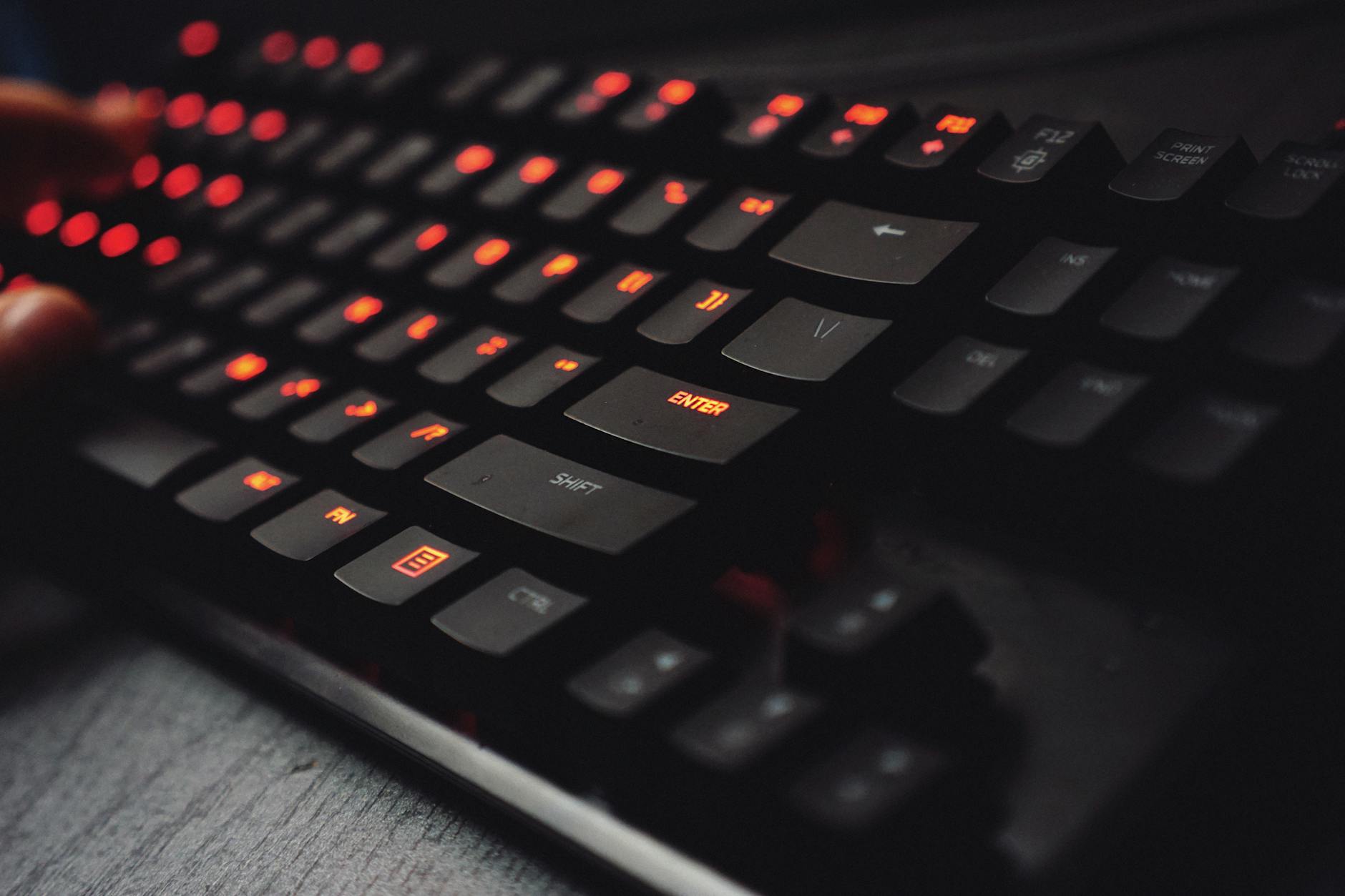
Mechanical keyboards provide consistent actuation points and tactile feedback that fighting game pros need for frame-perfect timing. Unlike arcade stick microswitches or gamepad triggers, mechanical switches offer precise 1-2mm actuation distances with consistent force requirements across millions of presses.
Professional player Justin Wong recently explained his switch to mechanical keyboards during a Twitch stream, noting how Cherry MX Red switches give him faster response times for complex combo sequences. The linear action eliminates the variable resistance found in traditional fighting game controllers, where worn microswitches can create inconsistent input timing.
Top-tier players are gravitating toward specific switch types based on their playing style. Speed-focused players prefer linear switches like Cherry MX Speed Silver for rapid-fire inputs, while precision-oriented competitors choose tactile switches like Cherry MX Brown for better feedback during critical moments. The consistency of mechanical switches becomes crucial during long tournament sets where traditional controllers might develop input lag from wear.
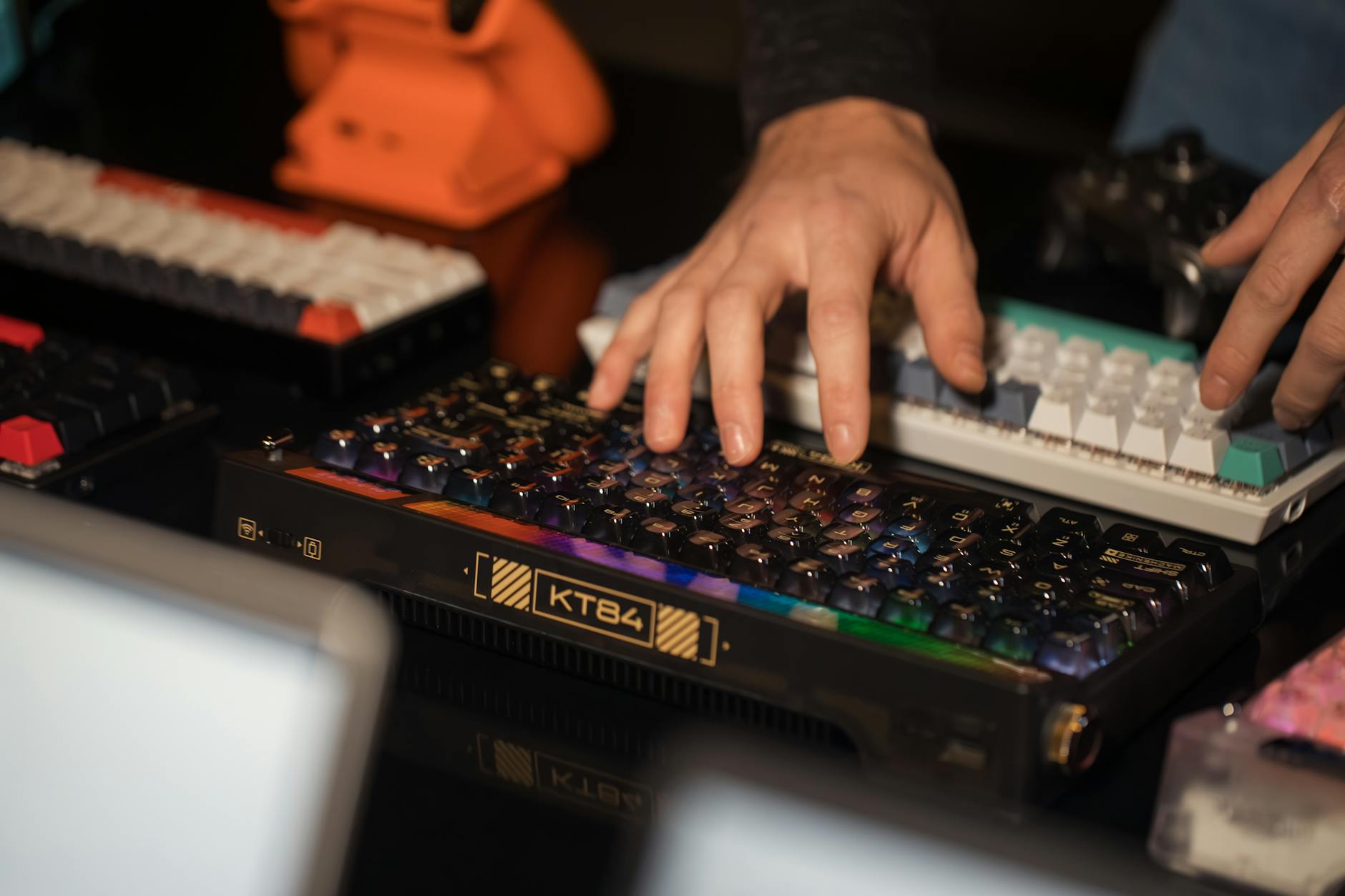
Tournament organizers report seeing custom keyboard setups with specialized keycap arrangements optimized for fighting game inputs. Players remove unnecessary keys and replace standard keycaps with button-style caps that replicate arcade button feel while maintaining mechanical switch precision.
Customization Beyond Traditional Controllers
Mechanical keyboards offer customization options that arcade sticks and gamepads simply cannot match. Professional players are programming macro functions, adjusting actuation points, and creating custom layouts that adapt to specific fighting games and personal preferences.
Korean fighting game champion Knee uses a 60% mechanical keyboard with programmable layers that switch between Tekken and Street Fighter configurations. His setup includes custom firmware that adjusts input timing and creates game-specific button mappings without requiring external software or adapters.
The modular nature of mechanical keyboards allows players to replace individual switches without replacing entire controllers. When arcade stick buttons wear out, players must replace complete microswitches or entire button assemblies. Mechanical keyboard users can swap individual switches in minutes, maintaining consistent performance throughout tournaments.
Hot-swappable keyboards have become particularly popular among fighting game professionals. These boards allow switch replacement without soldering, enabling players to experiment with different switch types between tournament rounds. Some competitors carry multiple switch sets to adapt to different games or playing conditions.
Custom keycap profiles designed specifically for fighting games are emerging from specialty manufacturers. These keycaps feature curved surfaces and specific heights that replicate arcade button ergonomics while maintaining mechanical switch advantages. Players report reduced finger fatigue during extended practice sessions compared to traditional flat keycaps.
Ergonomic Benefits for Extended Competition
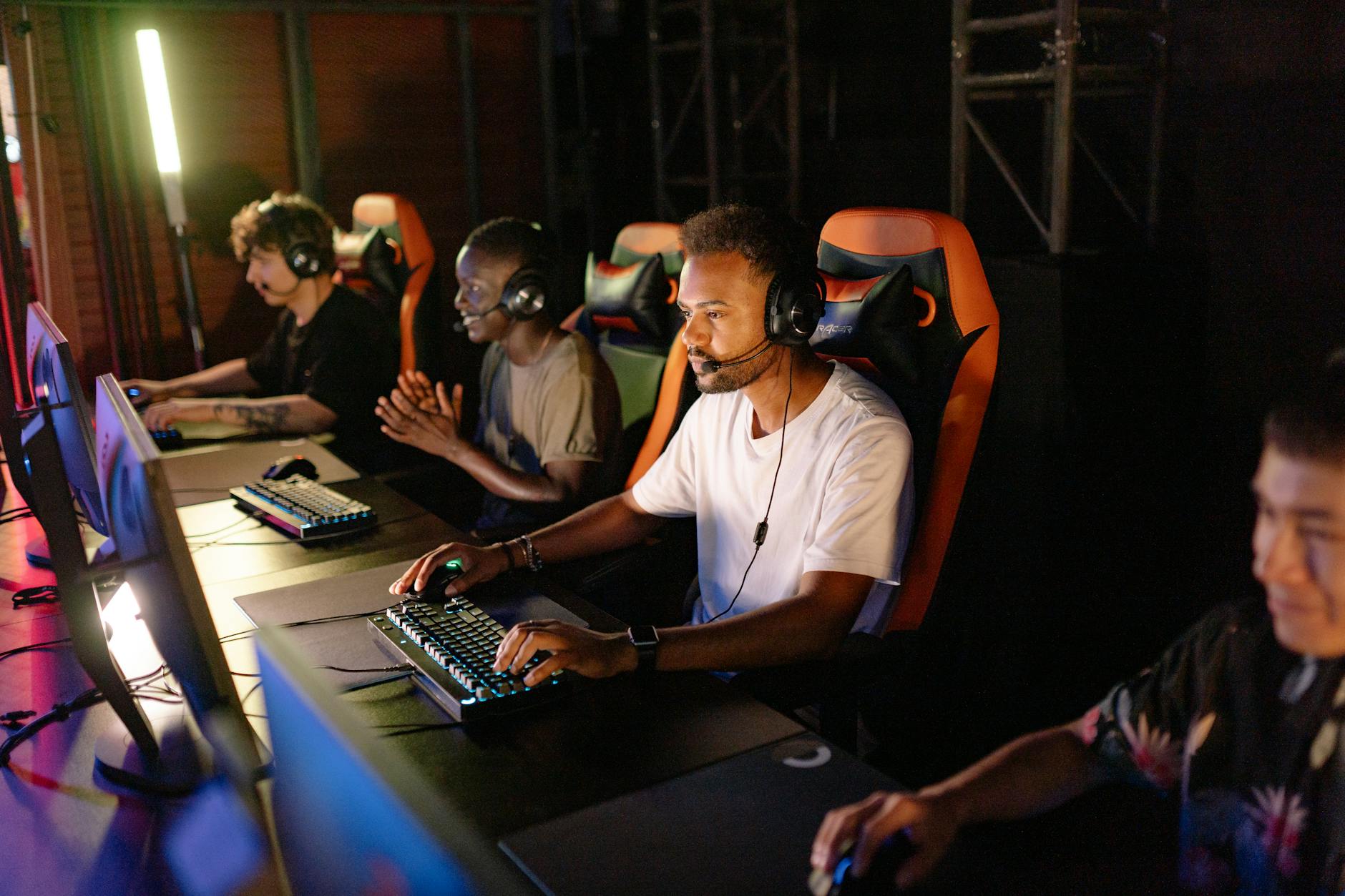
Tournament play often requires 8-12 hour days of intensive gaming, making ergonomics crucial for professional performance. Mechanical keyboards provide better wrist positioning and finger placement than traditional controllers, reducing repetitive stress injuries that plague competitive players.
Physical therapists working with esports athletes report fewer wrist and finger injuries among players using mechanical keyboards compared to arcade stick users. The natural hand position required for keyboard input aligns better with anatomical structure, reducing strain during extended play sessions.
Professional player SonicFox switched to mechanical keyboards partly due to wrist issues developed from years of arcade stick use. The flat, horizontal layout of keyboards eliminates the repetitive wrist rotation required for arcade stick play, allowing for longer practice sessions without discomfort.
Adjustable keyboard angles and wrist rests provide additional ergonomic advantages. Players can customize their setup for optimal comfort, unlike fixed arcade stick configurations. Some competitors use adjustable keyboard trays that position the controller at perfect angles for their individual anatomy.
The lighter actuation force required by most mechanical switches reduces finger fatigue compared to arcade stick buttons. Professional players report maintaining consistent input speed throughout long tournament matches, while traditional controller users often experience decreased performance as fatigue sets in.
Integration with Modern Gaming Ecosystems
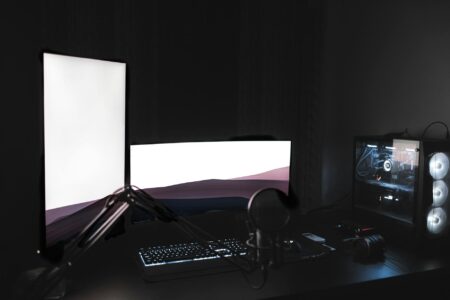
Mechanical keyboards integrate seamlessly with PC gaming setups that dominate modern fighting game tournaments. While console gaming still requires adapters, the growing PC focus in competitive fighting games makes keyboard controllers increasingly practical.
Tournament venues are adapting to keyboard controller trends by providing additional desk space and USB ports. Major events like EVO now designate specific setups optimized for keyboard users, recognizing their growing presence in competitive play.
The rise of keyboard controllers parallels broader changes in gaming hardware, similar to how console makers are adding modular upgrade slots to compete with PC gaming. Players want customization and performance advantages that traditional controllers cannot provide.
Streaming and content creation benefits also drive keyboard adoption among fighting game professionals. Mechanical keyboards work better for hybrid gaming-streaming setups, allowing players to switch between game controls and chat interaction without changing peripherals.
Software integration continues improving as developers recognize keyboard controller legitimacy. Fighting game studios are adding native keyboard support and customization options that previously required third-party software or complex workarounds.
The mechanical keyboard revolution in competitive fighting games reflects broader trends toward customization and precision in professional gaming. As tournaments continue adapting to keyboard controllers and manufacturers develop fighting game-specific products, this trend will likely expand beyond early adopters to mainstream competitive play.
Professional players investing in mechanical keyboards today are positioning themselves for the future of fighting game competition, where millisecond advantages and ergonomic sustainability determine long-term success. The question isn’t whether mechanical keyboards will dominate fighting games, but how quickly traditional controllers will adapt to compete.
Frequently Asked Questions
Why are fighting game players using keyboards instead of arcade sticks?
Mechanical keyboards offer more precise inputs, better customization options, and improved ergonomics for extended tournament play.
What mechanical switches work best for fighting games?
Linear switches like Cherry MX Red or Speed Silver for fast inputs, tactile switches like Cherry MX Brown for precise timing feedback.