


Physical keyboards are making a surprising comeback in the Android ecosystem. After years of dominance by touchscreen-only designs, major manufacturers and accessory makers are introducing keyboard attachments that clip, slide, or magnetically connect to modern smartphones. This revival isn’t nostalgia-driven-it’s a response to shifting work patterns and user demands that touchscreens alone can’t satisfy.
The physical keyboard comeback started gaining momentum in 2023 when remote work and mobile productivity became permanent fixtures rather than temporary adaptations. Users discovered that typing lengthy emails, coding on mobile devices, or managing spreadsheets on glass screens creates frustration and fatigue. While virtual keyboards have improved dramatically, they still consume valuable screen real estate and lack the tactile feedback that enables true touch typing.
The Productivity Demand Driving Keyboard Revival
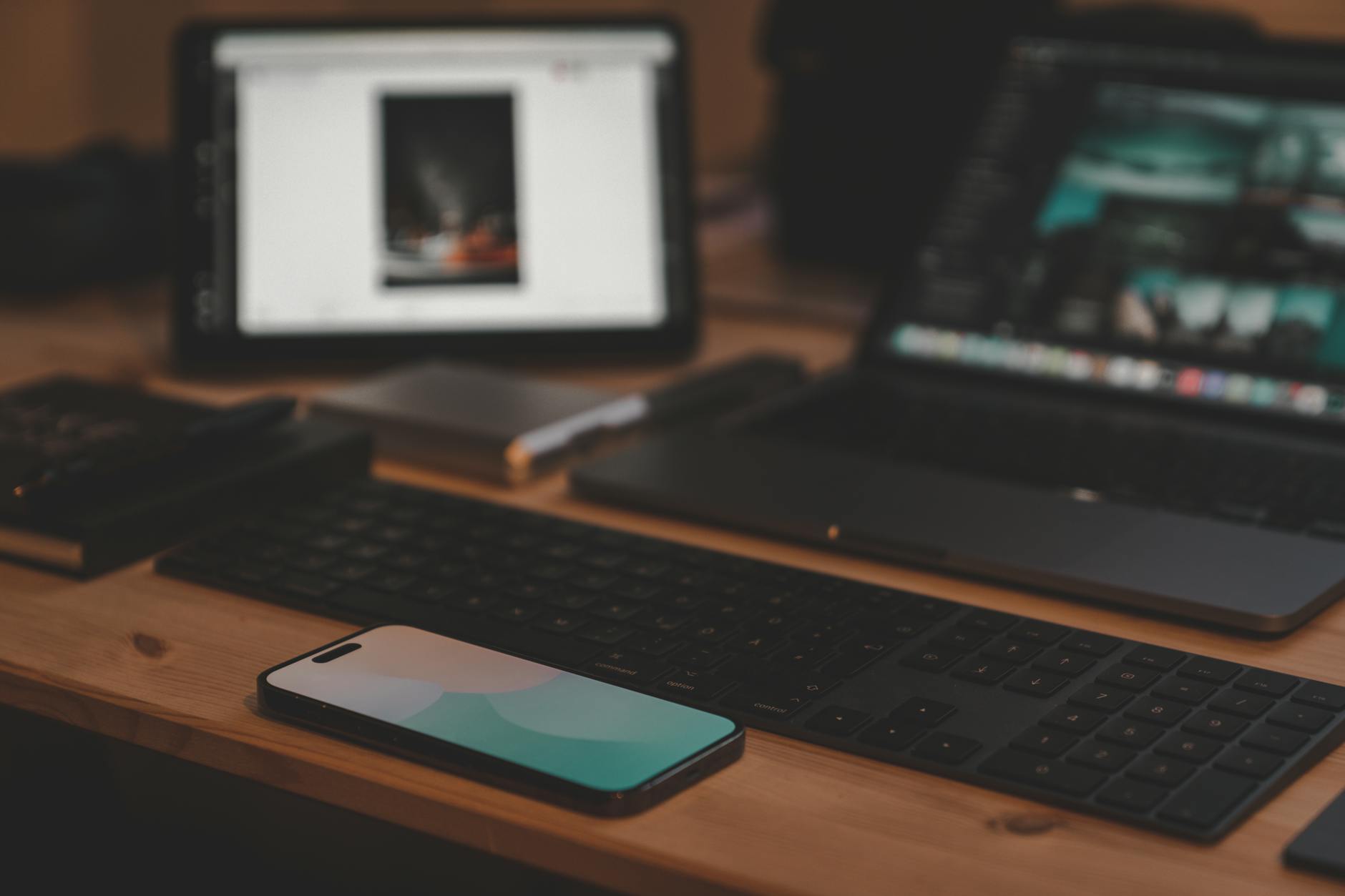
Mobile productivity has evolved beyond basic texting and social media. Professionals now edit documents, participate in video conferences, and manage complex projects entirely from their phones. Samsung recognized this shift early, expanding their DeX ecosystem to include keyboard-friendly interfaces that transform Galaxy phones into desktop-like workstations.
Third-party manufacturers have responded aggressively. Companies like Logitech, Razer, and newer players like Ficihp are developing Android-specific keyboard accessories that connect via USB-C or Bluetooth. These aren’t the clunky slide-out keyboards from 2010-modern versions feature backlit keys, customizable shortcuts, and designs that complement today’s sleek phone aesthetics.
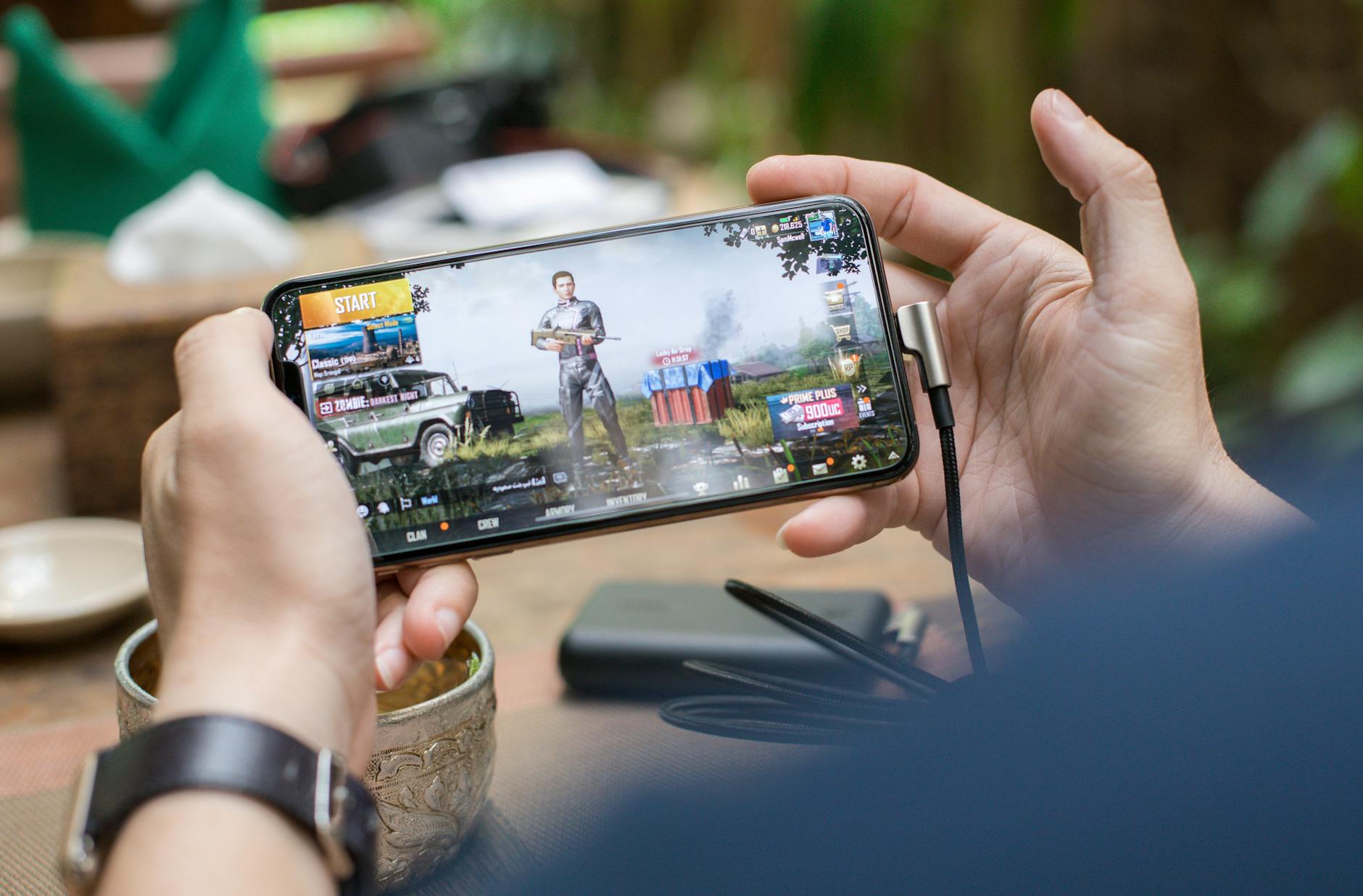
The gaming market represents another driving force. Mobile gaming revenue now exceeds console and PC gaming combined, creating demand for precision input methods. Physical keyboards enable complex key combinations impossible on touchscreens, giving competitive mobile gamers the edge they need in fast-paced titles like Call of Duty Mobile or PUBG Mobile.
Enterprise adoption has accelerated this trend. IT departments prefer physical keyboards for security-sensitive applications where accidental touches could trigger unwanted actions. Financial services, healthcare, and legal professionals particularly value the precision and reliability of mechanical keys when accessing sensitive data or completing critical transactions.
Technical Innovations Making Keyboards Practical Again
Modern Android keyboard accessories solve the portability problems that killed earlier versions. Foldable keyboards that collapse to phone-case size have become remarkably thin and durable. Some designs integrate directly into phone cases, creating laptop-like clamshell configurations that protect the screen while providing full QWERTY layouts.
Magnetic attachment systems have revolutionized connection methods. Instead of permanent fixtures or bulky clips, keyboards now snap onto phones instantly and detach just as easily. This modularity lets users switch between touch-only mode for casual use and keyboard mode for serious work without carrying separate devices.
Battery life improvements have eliminated another historical pain point. Current keyboard accessories often draw power directly from the phone via USB-C, eliminating the need for separate charging. Bluetooth models now offer weeks of battery life on single charges, using efficient low-energy protocols that barely impact phone battery performance.
Key travel and feedback quality have reached laptop standards. Premium models feature individual mechanical switches with customizable actuation forces. Some keyboards include programmable macro keys, dedicated function rows, and even small touchpads for cursor control-features that transform phones into legitimate mobile workstations.
Software integration has become seamless across Android versions. Modern keyboards automatically trigger desktop-style interfaces in supported apps, enable keyboard shortcuts, and provide autocomplete suggestions that appear above the physical keys rather than covering screen content.
Market Response and User Adoption Patterns
Sales data reveals interesting adoption patterns across different user segments. Business users represent the largest market segment, particularly those in consulting, sales, and content creation roles who frequently work from various locations. Students form another significant group, using keyboard-equipped phones for note-taking, research, and assignment completion.
The creative professional market has embraced keyboards for mobile content creation. Video editors use keyboard shortcuts to scrub through footage, writers appreciate distraction-free typing environments, and social media managers rely on quick text formatting and posting capabilities. As smartphone cameras continue advancing, creators want matching input capabilities to maximize their mobile production workflows.
Price points have become more accessible as production scales increase. Entry-level keyboard accessories now cost less than premium phone cases, while professional models with advanced features remain competitive with laptop keyboards. This pricing accessibility has opened keyboard adoption beyond power users to mainstream consumers who occasionally need typing-intensive mobile work.
Geographic adoption varies significantly. Asian markets, particularly South Korea and Japan, show the highest keyboard accessory attachment rates, likely due to dense urban environments where carrying multiple devices is impractical. European business travelers represent another high-adoption segment, using keyboard-equipped phones to maintain productivity during frequent short trips.
Future Implications and Design Evolution
The keyboard revival reflects broader changes in mobile computing expectations. Users no longer view phones as consumption-only devices-they expect full computing capabilities in pocket-sized form factors. This shift challenges manufacturers to balance portability with functionality in innovative ways.

Foldable phone designs may incorporate permanent keyboard sections, eliminating the need for separate accessories. Early patents suggest dual-screen foldables where one panel displays a contextual keyboard while the other shows content. This approach could provide the best of both worlds-full-screen immersion when needed and physical typing when preferred.
Integration with emerging technologies presents exciting possibilities. Voice-to-text improvements may reduce keyboard dependency for some tasks, while AI-powered predictive text could make physical keyboards more efficient by reducing required keystrokes. However, the tactile feedback and precision of physical keys will likely remain irreplaceable for certain professional applications.
The keyboard comeback represents more than nostalgic revival-it signals mobile computing’s maturation into a truly versatile platform. As phones become primary computers for growing user segments, input methods must evolve beyond finger taps to match the sophistication of desktop computing experiences while maintaining mobile convenience.
Frequently Asked Questions
Why are physical keyboards coming back to Android phones?
Users need better mobile productivity tools for work, gaming precision, and typing comfort that touchscreens can’t provide.
How do modern phone keyboards differ from old slide-out designs?
Current keyboards are modular accessories with magnetic attachments, better battery life, and laptop-quality key switches.
