





The Waiting Game Nobody Signed Up For
Valve has said almost nothing about a Steam Deck successor, and that silence is doing real damage to the handheld PC market it helped build. Since the original Steam Deck launched in early 2022, the hardware landscape has shifted considerably – AMD has released newer mobile APUs, competitors have shipped multiple device generations, and players who bought into the Deck ecosystem early are now staring at aging specs with no clear upgrade path on the horizon.
That uncertainty has a direct consequence: people are not buying.
A significant portion of the handheld PC audience is sitting on their wallets, unwilling to commit to a competing device in case Valve announces something better next month, next quarter, or next year. At the same time, they are equally reluctant to buy the current Steam Deck OLED, knowing that whatever comes next will likely be a meaningful hardware jump. The result is a market caught in a strange holding pattern, where Valve’s absence from the conversation is somehow louder than anything its rivals are saying.
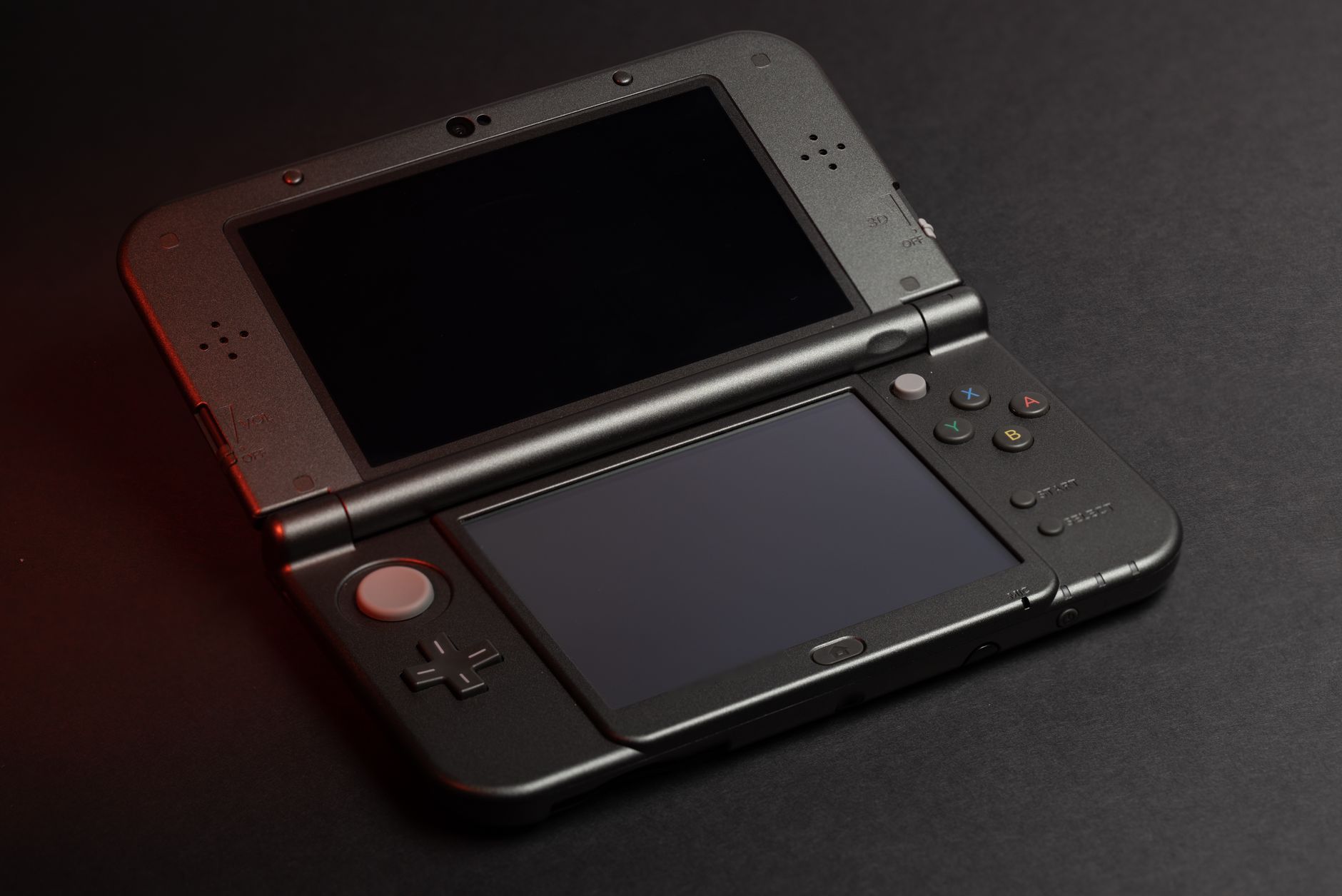
What Rivals Are Doing While Valve Says Nothing
ASUS, Lenovo, and MSI have not been waiting around. The ROG Ally X, the Legion Go S, and various MSI Claw revisions have all shipped within the past year, each one targeting the gap between what the Steam Deck offers and what enthusiast-level handheld gaming could theoretically look like. These devices run Windows, support higher-wattage TDP configurations, and in some cases accept AMD’s newer RDNA 3 and RDNA 3.5 architecture, which delivers a noticeable performance jump over the Steam Deck’s Van Gogh chip from 2021.
The competitive pressure is real, but it cuts both ways. Many players who evaluated those Windows-based alternatives ultimately found SteamOS’s simplicity, battery efficiency, and couch-friendly interface worth sacrificing raw performance for. The problem is that appreciation for SteamOS does not translate into a purchase when the hardware underneath it is becoming dated. Valve has released the OLED revision, which improved the display and battery life meaningfully, but the processor and GPU remain the same. For players wanting to run newer AAA titles at acceptable frame rates with ray tracing or upscaling enabled, the ceiling is visible and frustrating.
Meanwhile, the ROG Ally and Legion Go have iterated fast enough that they are now on second and third hardware revisions within roughly the same time window Valve has shipped one internal chip upgrade – which was none. The pace difference is stark, and while Valve has never competed on traditional release cadence, the gap is now wide enough that even loyal Deck users are asking whether the company is still seriously invested in the hardware side of the business.
Why Valve’s Silence Creates a Market-Wide Freeze
Valve occupies a strange position in the handheld PC space. It is not just a hardware maker – it is also the dominant PC gaming storefront, the developer of SteamOS, and the company whose compatibility ratings through Proton and the Deck Verified program have done more for Linux gaming than anything in the past decade. That layered influence means its hardware decisions carry weight far beyond unit sales. When Valve hints at a direction, or conspicuously refuses to, the entire ecosystem pays attention.
The upgrade freeze is not imaginary. Handheld PC communities on Reddit and Discord are full of threads titled some variation of “should I buy the OLED now or wait.” The answer has been “wait” for over a year, which is an unsustainable recommendation cycle. Players waiting for Steam Deck 2 are not buying ASUS or Lenovo devices as a bridge purchase in most cases – they are simply not buying anything. That works out fine for Valve if a new device is six months away. It works out poorly for the whole market if it is two years away, or if Valve has quietly deprioritized Steam Deck hardware iteration entirely.
There is also a developer ecosystem consideration. Studios that optimize specifically for Steam Deck’s hardware profile do so because they know exactly what they are targeting. If that target is undefined for the next generation, some smaller studios will simply stop making Deck-specific optimizations and focus their testing resources elsewhere. The Verified badge program is only as valuable as the hardware it certifies for.
The Case for Patience – and Its Limits
Valve has always operated on its own timeline, and there are legitimate reasons to think Steam Deck 2 is a complex engineering problem rather than a simple spec bump. AMD’s next generation of mobile APUs – the ones worth actually building a new handheld around – are only now reaching a maturity where thermal management, power draw, and driver stability align with what a living-room device demands. Shipping a Steam Deck 2 on the wrong silicon just to say something shipped would be worse than waiting. SteamOS also requires meaningful engineering work to scale with new hardware, and Valve’s team is not large by AAA studio standards.
But patience has a shelf life. The original Steam Deck launched with a genuine sense that Valve was re-entering hardware seriously, not as a side project. Each month of silence chips away at that credibility – not because Valve owes anyone a press release, but because the market Valve created is genuinely stalling without a signal. Players, developers, and accessory makers are all making decisions based on information that does not exist yet.
Valve could manage this without revealing specific specs or a release date. A simple acknowledgment that Steam Deck hardware development is ongoing – the kind of non-announcement that hardware companies make all the time – would release some of the pressure. Instead, the company’s only form of communication on this front has been absence, and absence at this point reads like an answer even if it is not intended to be one.

The Steam Deck OLED still sits at the top of most handheld recommendation lists, which says something about how good it is – and something more troubling about how little has genuinely improved across the category in three years. If Valve announces Steam Deck 2 tomorrow, the entire freeze thaws overnight. If it announces nothing through the end of 2025, the window where it controls the narrative closes, and the players who got tired of waiting will have already made their purchases somewhere else.