




The Sequel Effect No One Planned For
Ghost of Yotei does not have a release date yet. Sony has confirmed the title, shown a trailer, and given players a protagonist – a lone samurai named Atsu set in 1603 Hokkaido – but beyond that, the calendar is blank. And somehow, that silence is doing more marketing work than a full campaign would. Players who finished Ghost of Tsushima years ago are reinstalling it. People who never started it are finally buying it. The pattern is visible across Reddit threads, Discord servers, and Steam review timestamps: announcement energy is feeding backwards into the original game.
This is not an accident, and it is not unique to Sony. But the scale of the Tsushima revival says something specific about how anticipation functions in gaming right now – and why a sequel announcement with almost no information can still reshape a player’s weekend plans.
What the Announcement Actually Showed
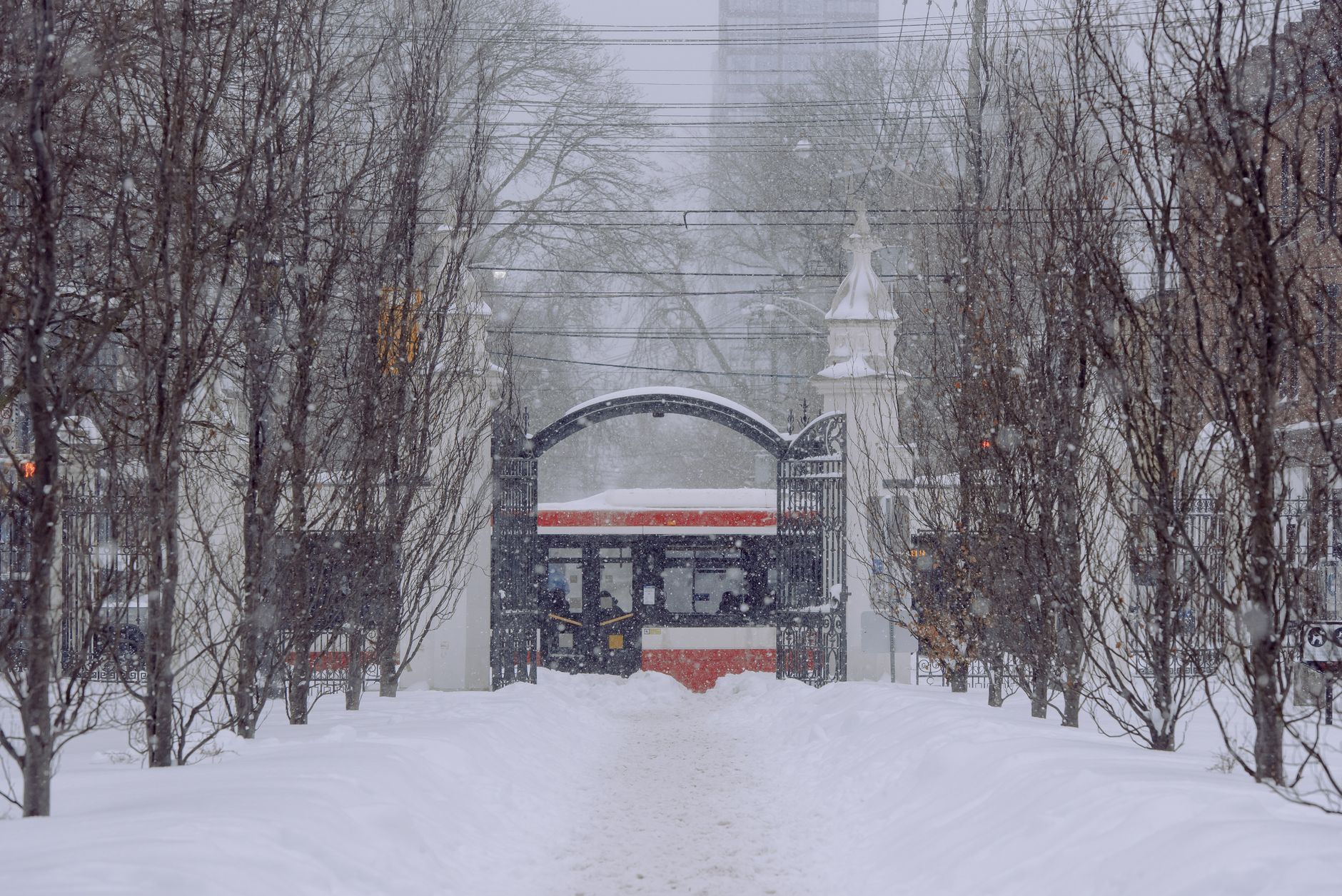
The Ghost of Yotei reveal trailer was atmospheric above everything else. Snow-covered mountains, a red torii gate half-buried in frost, and a protagonist whose face stayed mostly obscured. Sucker Punch showed tone and setting, not systems or story. For a lot of players, that was enough – maybe more than enough. The restraint created space for imagination, and imagination sent people back to the world they already knew.
Atsu is not Jin Sakai. The game is set roughly 330 years after the events of Tsushima, in a different part of Japan, with a different lead. Sucker Punch has been clear that this is not a direct continuation. But the visual and tonal language is close enough that playing Ghost of Tsushima again functions as a kind of warm-up, a way of re-learning the feel of that world before Yotei arrives.
Ghost of Tsushima’s Director’s Cut, which includes the Iki Island expansion, gave returning players a reason to go deeper than they did the first time. Some players who bounced off the main game in 2020 are now finishing Iki Island in 2025, pulled back in by a sequel they cannot play yet. That is a strange loop, but it works because the original game holds up – the combat, the visual design, the way the camera treats fog and tall grass have not aged badly. Sucker Punch built something durable enough to survive a multi-year gap.
Silence as a Marketing Tool
Sony is not saying much about Yotei, and that restraint is controlling the conversation in a way that over-sharing rarely does. When a game releases a deep-dive feature about skill trees and crafting menus eighteen months before launch, it drains the curiosity. When all you have is a logo and a snowy mountain, every forum post becomes speculation, every screenshot gets examined for clues, and the game that already exists fills the void. Tsushima is the only Ghost of Yotei content available right now, so players are consuming it.
The effect mirrors what happens around long-awaited film sequels. Audiences rewatch the original not just out of nostalgia but out of a specific desire to catch details they missed, to understand what the new entry might build on. Ghost of Tsushima had enough narrative texture – the relationship between Jin and his uncle, the ending’s moral ambiguity, the Iki Island trauma arcs – to reward that kind of re-examination.
Why Tsushima Earns the Second Look
Open-world games from the early 2020s have a complicated legacy. Many felt wide but shallow, built around checklist design that satisfied on paper but left players feeling like they were performing tasks rather than inhabiting a world. Ghost of Tsushima was not immune to that criticism, but it had a counterweight: the traversal and combat were genuinely enjoyable as moment-to-moment experiences, not just as progression systems. Players coming back are rediscovering that the journey between objectives felt good in a way that a lot of contemporaries did not manage.
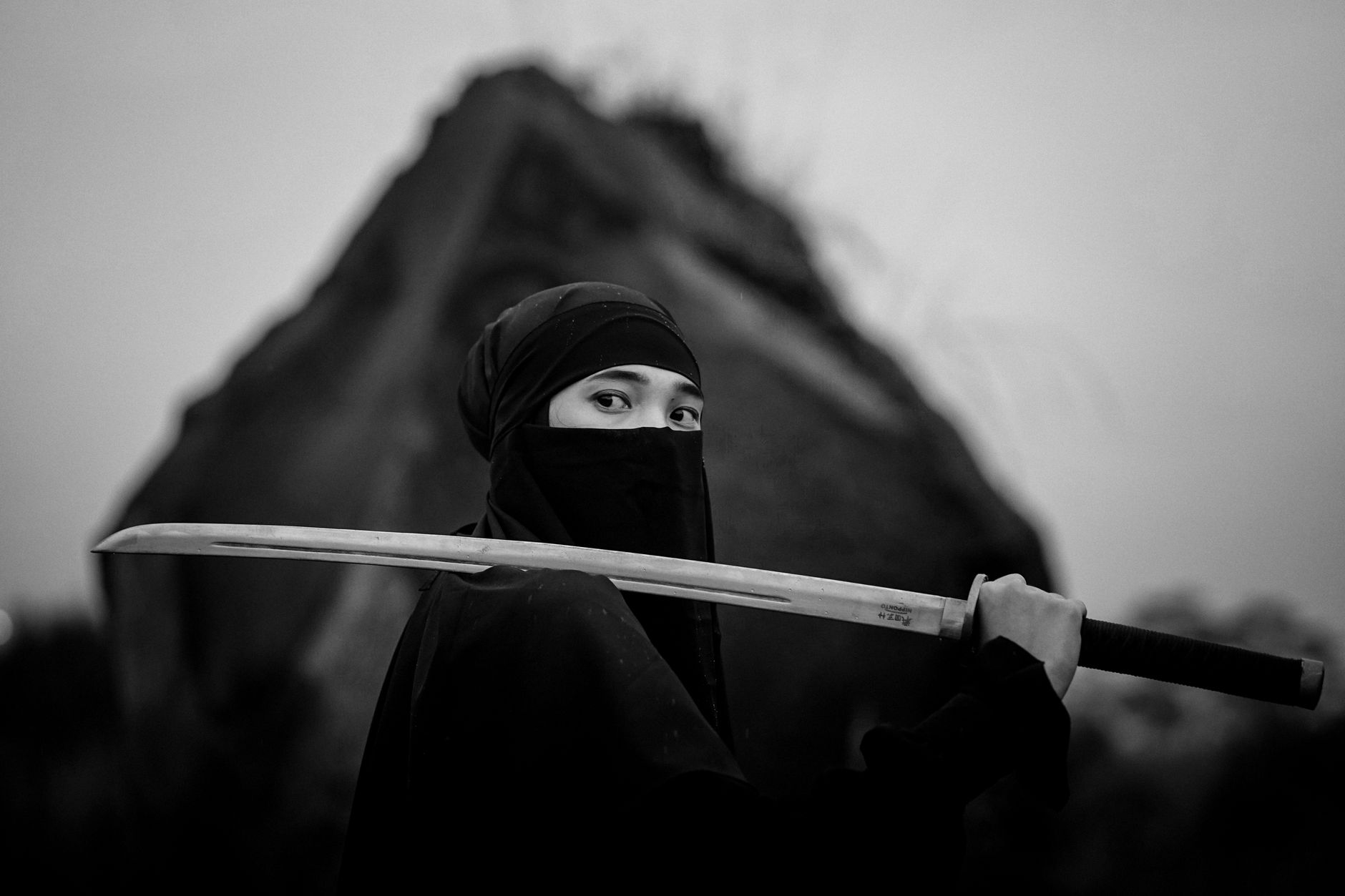
The Kurosawa Mode – a black-and-white visual filter with grain and period-accurate audio mixing – aged particularly well. For players encountering it for the first time or returning to it fresh, it reframes the entire game as a different kind of experience. Some returning players are running full playthroughs in that mode specifically because the sequel announcement reminded them it existed. It is a feature that rewards revisiting in a way that most optional modes do not.
There is also the question of what players expect from Yotei and how Tsushima helps calibrate that. Ghost of Tsushima had a very specific combat philosophy – stances, parries, a relatively small number of enemy types handled with precision rather than variety. If Sucker Punch is building on that foundation, understanding its limits and strengths matters. Players going back are not just nostalgic. Some are genuinely assessing the mechanical baseline before a sequel arrives to iterate on it.
Ghost of Yotei will carry weight that Tsushima never had to. The original launched during a period when most players had low expectations for it – a new IP from a studio known primarily for the Infamous series, arriving at the tail end of a console generation. It overperformed. The sequel arrives as a known quantity, with a fan base that has strong feelings about what the series is. Sucker Punch will have to satisfy players who loved Tsushima enough to go back and play it twice while waiting – and that is a higher bar than the first game ever faced.
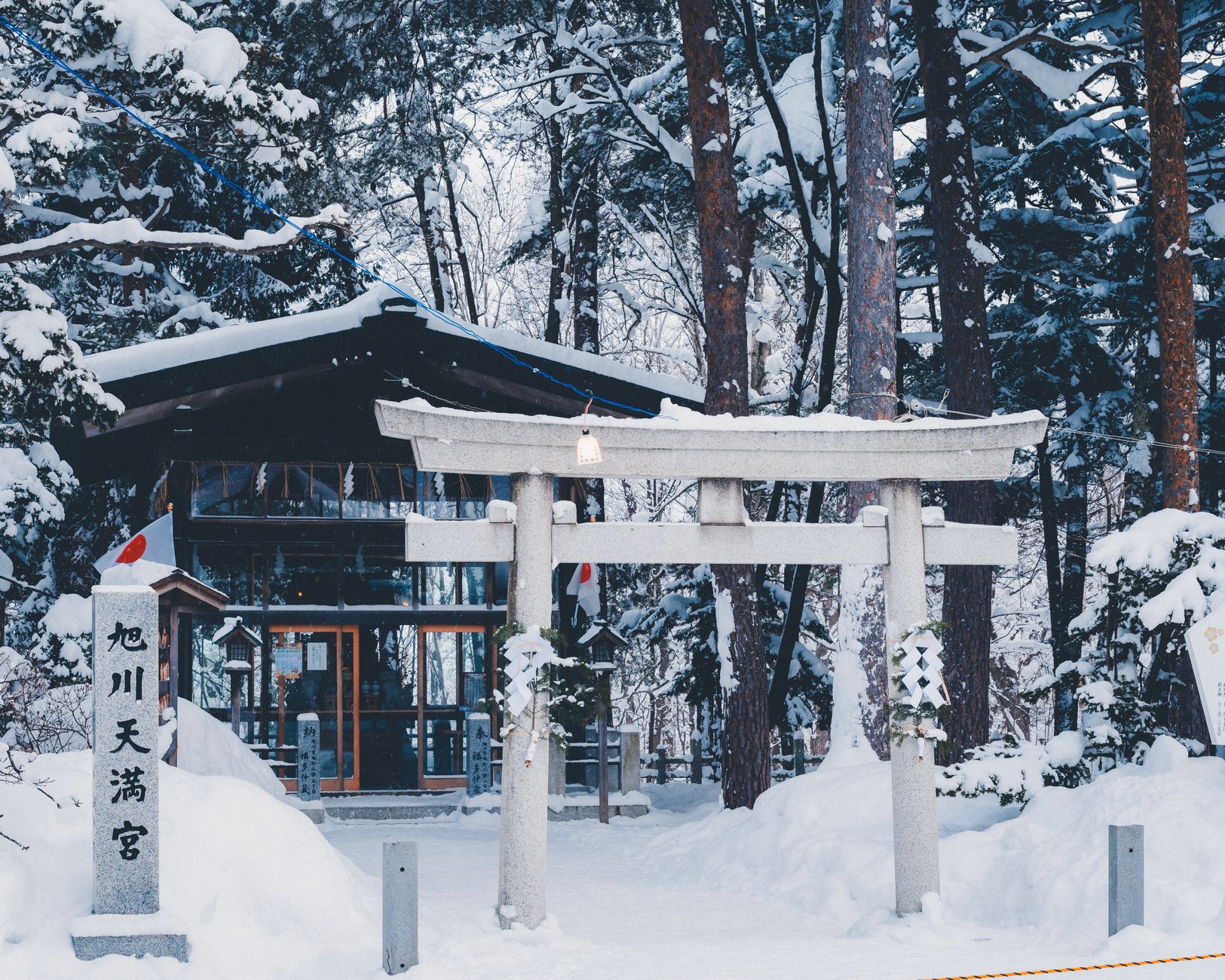
Whether Hokkaido in winter can deliver the same sense of place that Tsushima’s summer storms and golden forests did is the question no amount of returning playthroughs can actually answer.