


Emergency texting just became accessible to millions more people. Satellite messaging, once reserved for premium smartphones and specialized devices, is rapidly expanding to budget Android phones as chip manufacturers and cellular carriers push to make this life-saving technology universal.
The shift represents a fundamental change in how we think about connectivity. While flagship phones from Apple and Samsung pioneered satellite features for emergency SOS, the real impact comes when these capabilities reach the phones that most people actually carry – devices under $300 that dominate global smartphone sales.

Chip Makers Drive Down Costs
Qualcomm and MediaTek are leading the charge to embed satellite capabilities into their budget processors. MediaTek’s Dimensity 9300 and newer chips now include satellite modem functionality that previously required separate, expensive components. This integration dramatically reduces the cost and complexity of adding satellite features to affordable phones.
The technical breakthrough centers on software-defined radio capabilities that allow a single chip to handle both terrestrial cellular signals and satellite communications. Previous satellite phones required dedicated hardware that could cost hundreds of dollars per device. Now, the same processor handling your apps and camera can also connect to orbiting satellites when cell towers fail.
Qualcomm’s Snapdragon 8 Gen 3 includes similar capabilities, with the company reportedly working with satellite operators like Iridium and Globalstar to optimize signal processing for low-power, battery-efficient operation. These partnerships matter because satellite communication traditionally drains batteries quickly – a critical concern for budget phones with smaller batteries.
Carriers Push Universal Coverage
T-Mobile leads among U.S. carriers in making satellite messaging widely available. Their partnership with SpaceX’s Starlink aims to eliminate dead zones entirely by 2024, with initial rollout targeting basic text messaging before expanding to data and voice calls. The service will work with existing phones through software updates, removing hardware barriers that previously limited satellite access.
Verizon and AT&T are pursuing different strategies but with similar goals. Verizon’s partnership with Amazon’s Project Kuiper focuses on enterprise and emergency services first, while AT&T works with AST SpaceMobile to provide direct-to-phone satellite coverage that requires no special hardware or apps.
International carriers are moving even faster. European operators like Vodafone already offer satellite messaging services through partnerships with existing satellite networks. These services work with current Android phones by routing messages through specialized apps that compress data for satellite transmission.
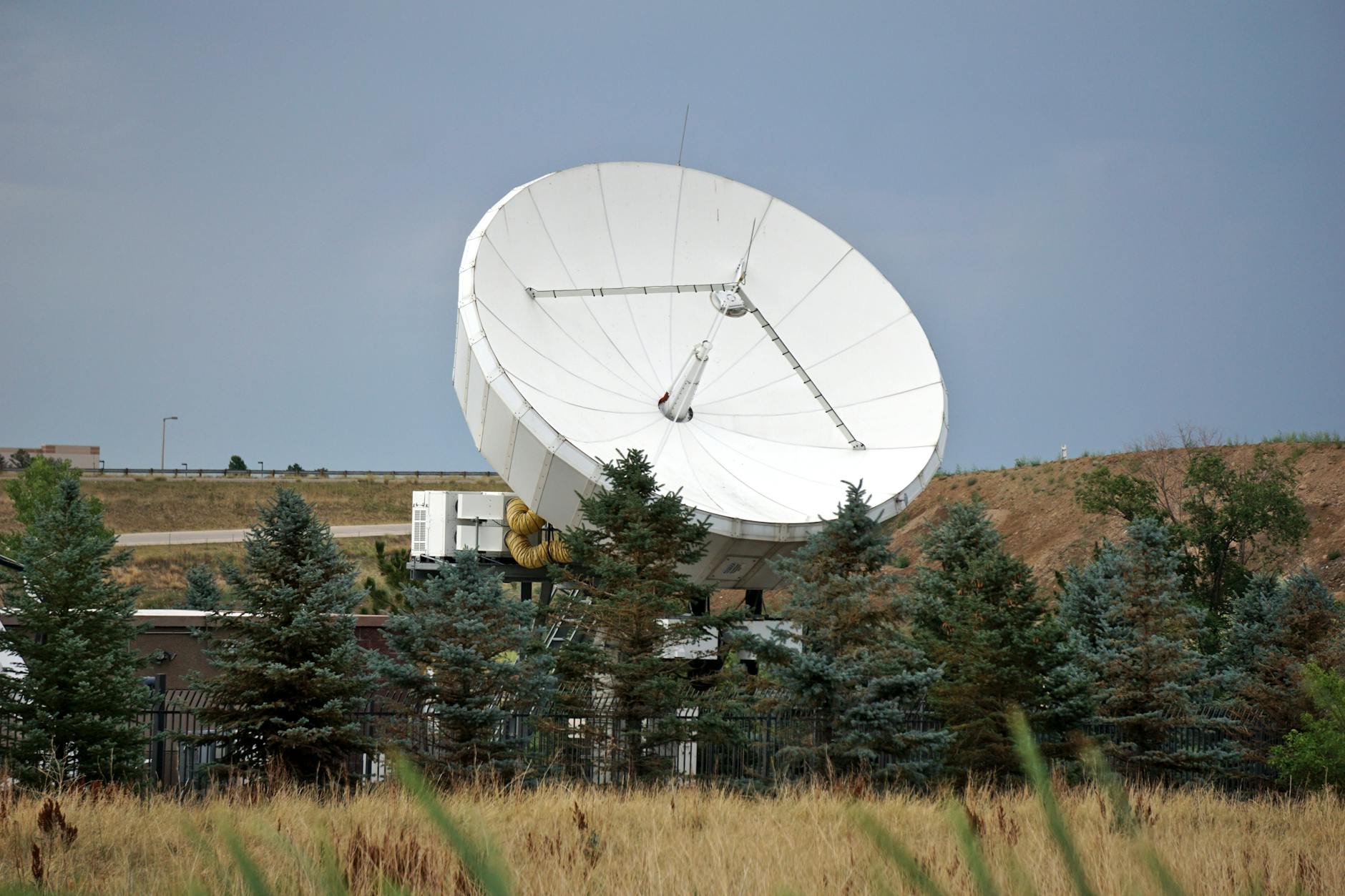
The regulatory landscape is also shifting to support universal satellite access. The Federal Communications Commission recently streamlined approval processes for satellite messaging services, recognizing their importance for public safety and emergency response.
Real-World Applications Expand Beyond Emergencies
While emergency SOS remains the primary use case, satellite messaging on budget phones opens possibilities that premium devices haven’t fully explored. Rural communities, hikers, and international travelers represent obvious user groups, but the technology’s impact extends further.
Construction workers operating in areas without cell coverage can maintain contact with supervisors and emergency services. Delivery drivers in remote areas can update dispatch systems about delays or vehicle problems. Agricultural workers can report equipment failures or request supplies from fields where cellular signals don’t reach.
The messaging capabilities remain basic – typically limited to text messages under 160 characters with transmission times measured in minutes rather than seconds. However, this limitation actually works in favor of budget phone users who primarily need simple, reliable communication rather than data-intensive applications.
Some manufacturers are exploring hybrid approaches that combine satellite messaging with mesh networking capabilities. When multiple satellite-enabled phones are in proximity, they can create local networks that extend coverage and reduce power consumption by sharing satellite connections.
Technical Challenges Remain
Battery life poses the biggest obstacle to widespread satellite messaging adoption on budget phones. Satellite communication requires significantly more power than cellular connections, and lower-priced phones typically have smaller batteries and less efficient processors.
Current implementations address this through aggressive power management that only activates satellite capabilities when cellular service is unavailable. The phone continuously monitors for cellular signals and automatically switches to satellite mode only when necessary. Some phones also include manual activation modes that let users choose when to enable satellite features.
Signal acquisition time represents another challenge. Connecting to satellites can take several minutes, especially when phones lack GPS data or haven’t established satellite connections recently. Budget phones with less sophisticated antennas may struggle with signal strength in marginal conditions like dense forest cover or urban canyons.

Weather conditions significantly impact satellite messaging reliability. Heavy rain, snow, or cloud cover can block signals from low-power satellite systems. While this affects all satellite phones regardless of price, budget devices typically have less sophisticated antenna systems that are more susceptible to environmental interference.
Market Impact and Future Developments
The expansion of satellite messaging to budget Android phones represents more than just feature parity with premium devices. It demonstrates how critical technologies eventually democratize, following the same pattern as cameras, GPS, and mobile internet connectivity.
Manufacturers like Xiaomi, OnePlus, and Samsung’s budget Galaxy A series are reportedly integrating satellite capabilities into phones launching in 2024. These devices will likely focus on emergency messaging initially, with expanded features coming as satellite infrastructure improves and costs continue falling.
The implications extend beyond individual users to entire communities and regions. Areas with limited cellular infrastructure could leapfrog traditional tower-based networks, using satellite connectivity to provide basic communication services while more comprehensive terrestrial networks develop.
As battery technology advances and charging speeds improve, the power consumption challenges of satellite communication will become less significant. This convergence of technologies could accelerate adoption and expand use cases beyond emergency scenarios.
The transformation of satellite messaging from premium feature to standard capability reflects broader trends in mobile technology democratization. Just as smartphone cameras evolved from luxury features to essential tools available on every device, satellite connectivity appears poised to follow the same trajectory, making reliable communication available regardless of location or device price point.
Frequently Asked Questions
Which budget Android phones have satellite messaging?
MediaTek Dimensity 9300 and Qualcomm Snapdragon 8 Gen 3 chips enable satellite features in upcoming budget phones from Xiaomi, OnePlus, and Samsung’s Galaxy A series.
How does satellite messaging work on budget phones?
Phones automatically switch to satellite mode when cellular service is unavailable, allowing basic text messaging through orbiting satellites with transmission times of several minutes.
