





The Grind That Keeps Resetting
Every few months, Valorant players sit down to find their rank wiped, their progress compressed, and a new battle pass demanding another hundred hours of attention. Riot’s act system was designed to keep the competitive ecosystem fresh, but a growing number of players describe it differently: exhausting. The rhythm of rank resets, agent unlocks, and rotating battle pass content has started to feel less like an evolving game and more like a content treadmill with no off switch.
The side effect of that fatigue is showing up somewhere unexpected. CS2’s casual queues – long dismissed as chaotic, low-stakes lobbies filled with newer players and weekend warriors – are seeing a quiet surge in activity. Players who burned out on Valorant’s seasonal structure aren’t necessarily quitting tactical shooters altogether. They’re just looking for a lobby that doesn’t punish them for taking two weeks off.

What Act Resets Actually Do to Players
On paper, act resets sound reasonable. Competitive integrity stays high, rank inflation gets corrected, and players get a fresh start every few months. In practice, the psychological toll is harder to ignore. A player who climbed from Silver to Platinum over six weeks doesn’t just get a soft reset – they get knocked back to a placement phase, forced to re-prove themselves in a new act meta, often against players whose skill hasn’t changed at all. The rank itself becomes a recurring Sisyphean task rather than a meaningful achievement.
What makes this particularly draining is that Valorant’s act resets don’t exist in a vacuum. They coincide with new agent releases, updated battle pass content, and occasional map rotations – each one requiring players to re-invest attention and playtime just to stay current. The game is built around constant participation. Step away for a month, and you return to a slightly different title with a rank that no longer reflects your actual skill ceiling and cosmetics you can no longer earn.
This design philosophy works well for players who treat Valorant as a primary game. For casual players balancing work, families, or simply other games, it creates a recurring exit ramp. And a chunk of those players are landing in CS2’s casual mode when they leave.
CS2’s Casual Queue as a Pressure Valve
CS2’s casual mode was never the crown jewel of Valve’s competitive shooter. It has no economy pressure, reduced round stakes, and a reputation for attracting less serious play. But those qualities are exactly what makes it appealing to players suffering from competitive burnout. There’s no rank to protect, no act deadline looming, and no new agent to learn before the meta shifts again. You join a lobby, play a few rounds of Dust II or Mirage, and leave without consequence.
Valve has also been methodically improving CS2 since its rocky 2023 launch – better server performance, updated visuals, and incremental matchmaking tweaks have all made the casual experience more stable than it was eighteen months ago. A player returning after time away doesn’t find a game that penalizes the gap. They find roughly the same CS2 they left, which, for a burned-out Valorant player, feels like a relief rather than a setback.

The Structure Problem Riot Hasn’t Solved
Riot has acknowledged in various developer updates that player retention across competitive seasons is a persistent challenge, but the structural response has mostly been cosmetic – better battle pass rewards, adjusted rank cutoffs, updated rank icons. None of those changes address the core friction: the game demands continuous engagement to stay relevant, and players who can’t meet that demand feel punished for it.
CS2’s ranking system has its own problems – Premier mode’s rating can feel opaque, and the casual queue’s lack of structure can make it feel aimless after extended sessions. But aimless is sometimes preferable to relentless. When Valorant players describe why they’ve drifted to CS2 casual lobbies, the word that comes up repeatedly isn’t “better” – it’s “easier.” Not easier to play, but easier to exist in without feeling behind.
This dynamic isn’t unique to Valorant. The same tension between live-service design and casual accessibility has pushed players in other game categories to seek out older, lower-pressure versions of titles they love. The pressure of constant content cycles creates a gravitational pull toward games – or game modes – that simply don’t require that level of sustained commitment.
What Riot faces is a real design tension with no clean answer. Making act resets less severe risks rank inflation and competitive staleness. Keeping them aggressive drives casual players to the exit. The players ending up in CS2’s casual queue aren’t necessarily lost to Valorant permanently – many of them still log back in when a new agent genuinely excites them or when friends pull them back for ranked sessions. But each act reset is another moment where the choice between grinding back and playing something simpler gets made, and right now, Valve’s casual lobby is winning that coin flip more often than Riot would probably like.
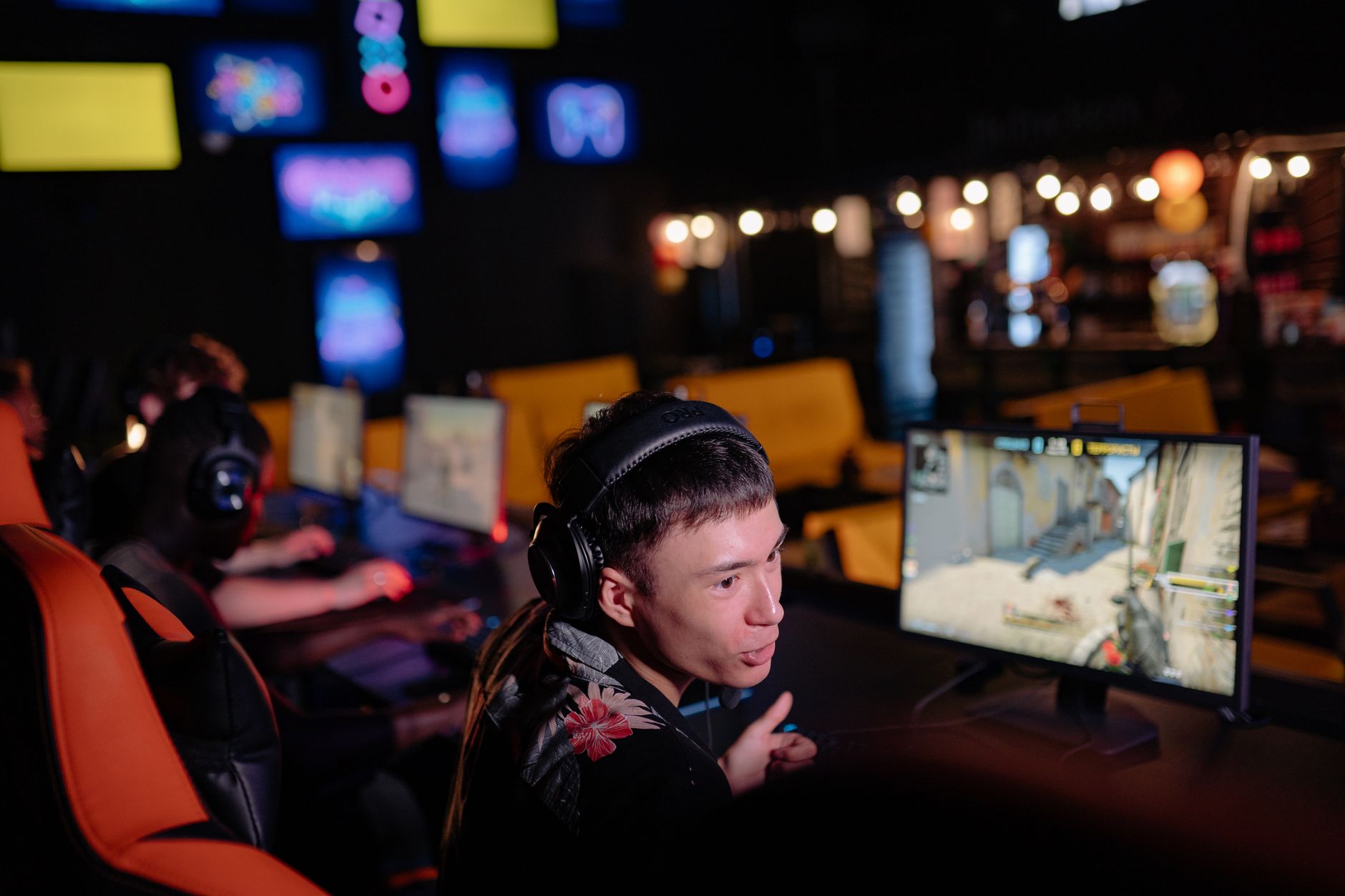
CS2’s casual mode was never supposed to be anyone’s refuge from a competing title’s ranked fatigue. Yet that’s precisely the role it’s filling, and Valve hasn’t had to do anything special to make it happen – Riot’s own seasonal calendar is doing the recruiting.