




A Clock That Does More Than Wake You Up
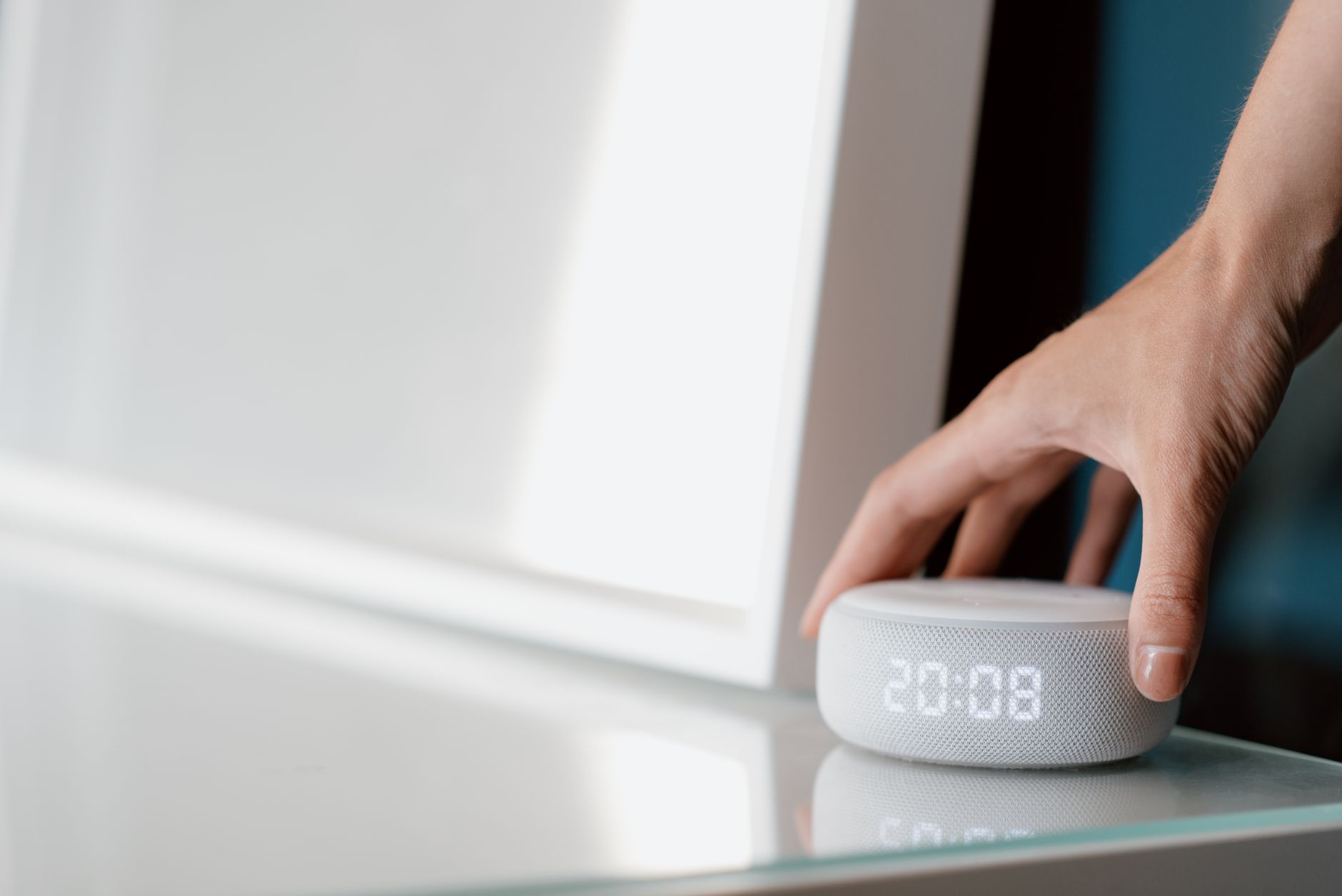
Nintendo’s Alarmo launched in late 2023 as something genuinely odd for the company: a standalone bedroom device that plays Nintendo sound effects in response to your movement during sleep. No screen, no controllers, no cartridges. Just a round, chunky sensor that detects when you’re stirring and rewards you with Mario coin sounds or Zelda chimes. It was charming, it was niche, and most people assumed it was a one-off curiosity built for the most committed Nintendo households.
That assumption is getting harder to hold. Nintendo has been quietly expanding Alarmo’s software through firmware updates, adding new game soundscapes, adjusting detection sensitivity, and – most recently – rolling out a series of connectivity features that push the device further into territory it was never supposed to occupy. What started as a novelty alarm clock is starting to look like a low-stakes experiment in connected home hardware.

What the Expansion Actually Added
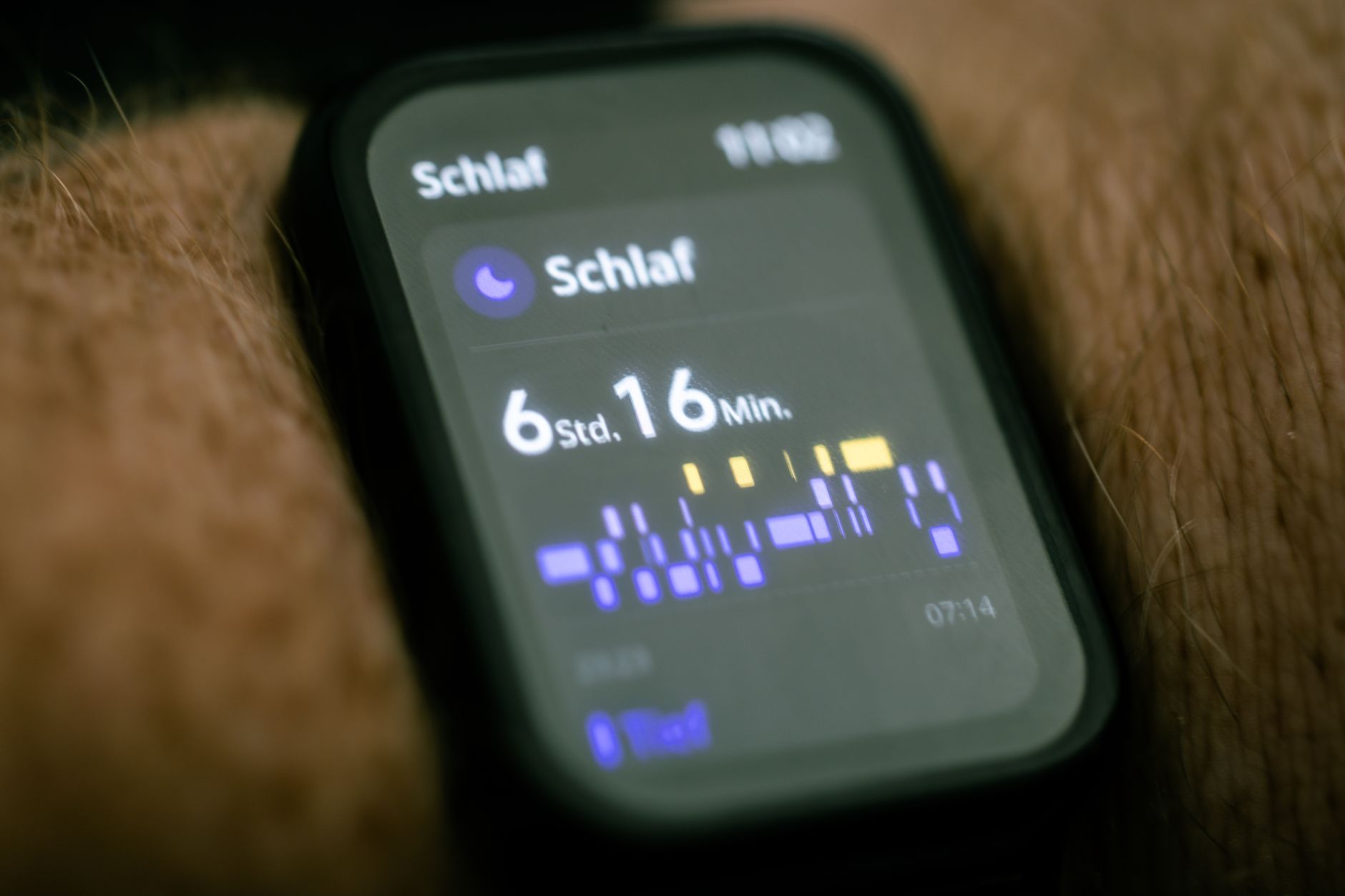
The most recent updates to Alarmo have introduced compatibility with Nintendo Switch Online accounts, allowing users to log in and sync sleep data across devices. That data – rough movement patterns, wake times, and session durations – can now be viewed through the Nintendo Switch parental controls app, which parents were already using to manage screen time. The crossover is minor on paper, but it connects Alarmo to an existing Nintendo software ecosystem in a way the device’s original launch did not.
New soundscape packs have also arrived, moving beyond the original Mario and Zelda offerings to include content from Pikmin and Splatoon. Each pack has its own behavioral logic: Pikmin sounds respond to slow, gradual movement before a wake time, while Splatoon content is louder and more abrupt. Nintendo framed these as simple entertainment additions, but the variation in audio behavior suggests the company is learning how users interact with the device across different sleep patterns and preferences.
There’s also been a quiet expansion of the device’s retail availability. Alarmo spent its first several months as a Nintendo Switch Online member exclusive in North America, which kept it deliberately scarce. It moved to general retail availability in early 2024, and Nintendo has since listed it prominently in its accessory lineup rather than tucking it under a novelty or lifestyle subcategory. That positioning shift is not accidental.
Why This Matters Beyond Bedrooms
Nintendo does not traditionally compete in the smart home space. That territory belongs to Amazon, Google, Apple, and a long tail of smaller hardware makers. But the smart home category has a recurring problem: most devices in it require the user to actively want a smart home. Setting up routines, configuring hubs, choosing ecosystems – it’s work that a large portion of consumers have never bothered with.
Alarmo sidesteps that friction completely. It requires no hub, no voice assistant, no network configuration beyond a basic Wi-Fi connection. A child can use it without any adult setup beyond plugging it in. That accessibility is exactly what the smart home category has consistently failed to deliver at scale, and Nintendo – whether deliberately or by instinct – built a device that demonstrates how simple connected hardware can be.
The Broader Play Nintendo Might Be Making
Nintendo’s history with hardware experimentation is longer and stranger than most people remember. The company made a cardboard peripheral set. It built a handheld with two screens. It launched a console-handheld hybrid before that category had a name. Not every experiment succeeded, but Nintendo has always treated hardware as a design problem rather than a spec competition – and Alarmo fits that pattern exactly.
Sleep tracking as a category has genuine commercial momentum. Wearable devices, smart mattresses, and dedicated sleep sensors have found real audiences, with companies like Withings and Oura building serious product lines around the concept. Nintendo is not trying to compete with clinical-grade sleep data, but Alarmo’s movement detection is functional enough to surface basic patterns, and the app integration means that data has somewhere to go. That’s a foundation, not a finished product.
The more interesting possibility is what Alarmo could become if Nintendo treats it as a platform. A device already in a user’s bedroom, already connected to their Nintendo account, already running software that updates remotely – that’s a distribution channel. Add a microphone and you have a voice-activated Nintendo assistant. Add a small display and you have a smart hub with an audience that already trusts the brand. Nintendo has not announced either of those things, and may never pursue them. But the infrastructure for it is being built one firmware update at a time.
There’s a real tension in this, though. Nintendo’s appeal has always rested on its separation from the anxious, always-connected design philosophy that defines most consumer technology. The company’s products tend to feel deliberate – devices you pick up and put down rather than devices that monitor you continuously. Pushing Alarmo further into sleep data collection and account-linked tracking pulls against that identity in ways Nintendo will eventually have to address directly. A company famous for knowing when to say no to its own features may be approaching a moment where that instinct gets tested.