


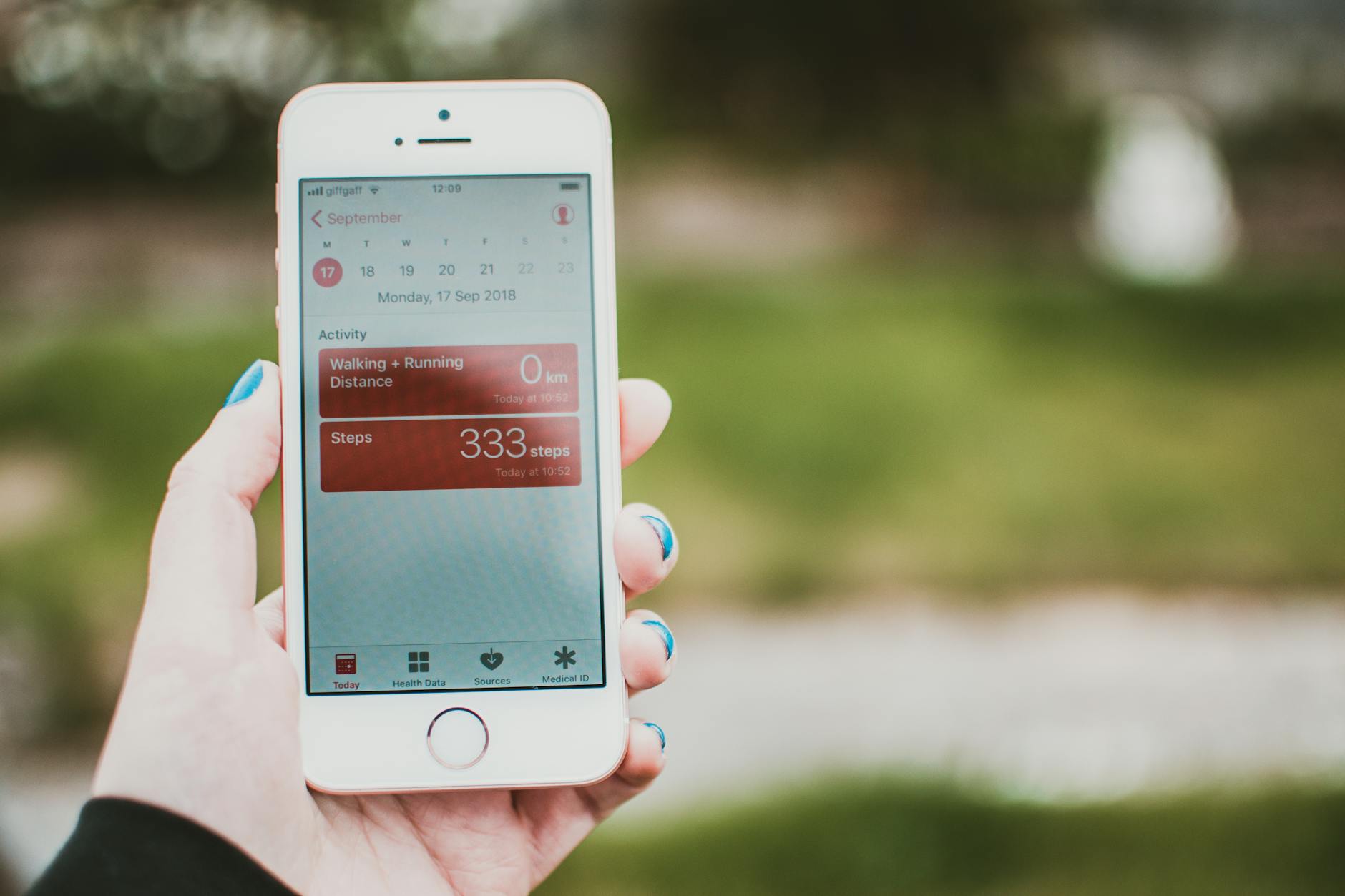
Your smartphone already tracks steps, heart rate, and sleep patterns. Now manufacturers are quietly adding another sensor that could transform mobile health monitoring: temperature sensors designed to detect fever and monitor thermal wellness patterns.
Samsung introduced thermal sensing capabilities in the Galaxy Watch series, while companies like Withings have integrated similar technology into their devices. The shift represents a growing recognition that continuous temperature monitoring could provide early warning signs for illness, track recovery patterns, and offer insights into overall health trends that traditional fitness metrics miss.
Medical-Grade Accuracy Meets Consumer Convenience
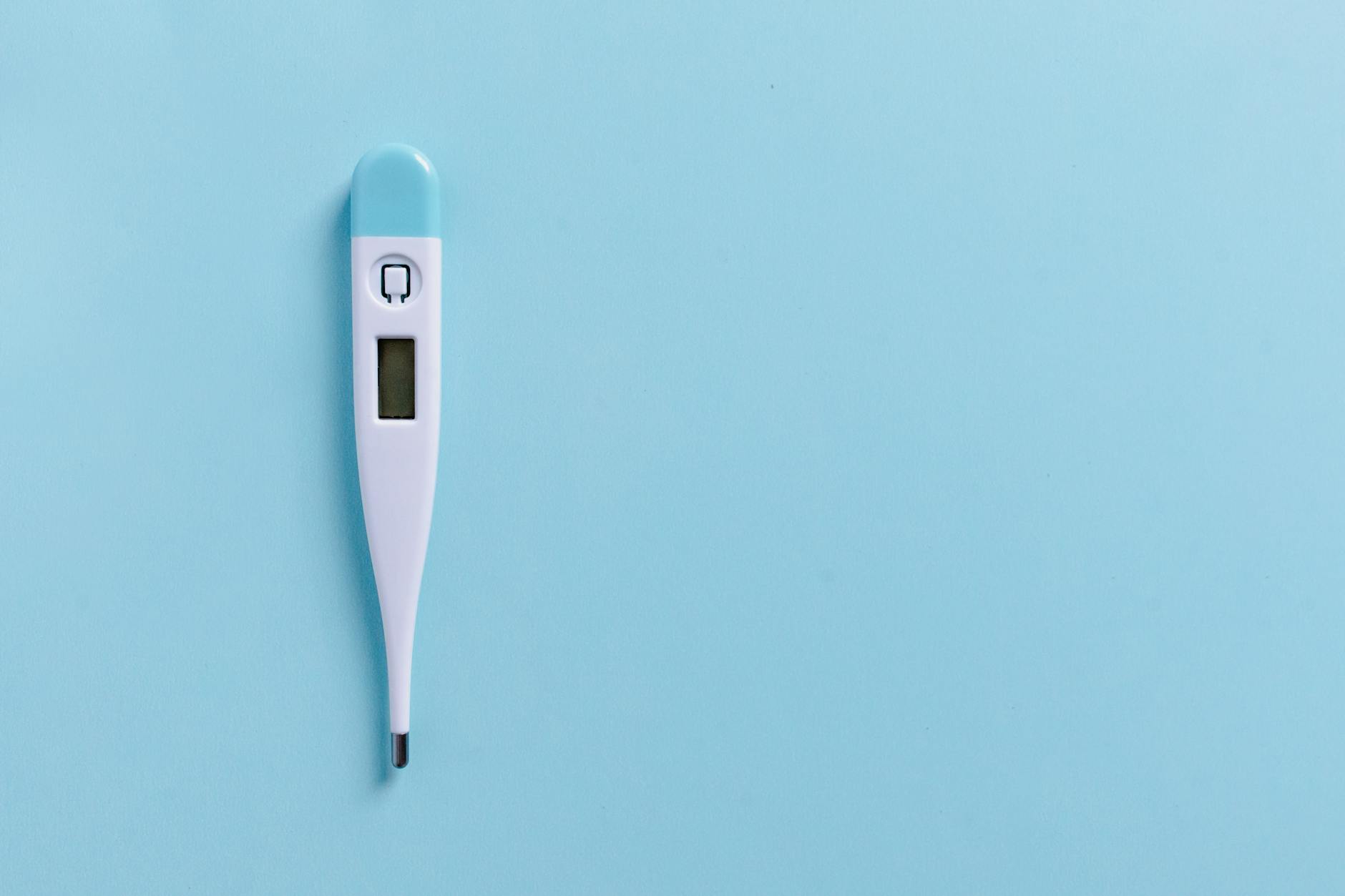
The temperature sensors appearing in smartphones and wearables use infrared technology similar to medical thermometers, but with continuous monitoring capabilities. Unlike the single-point readings from traditional thermometers, these sensors can track temperature variations throughout the day, identifying patterns that might indicate emerging health issues.
Apple has reportedly been testing temperature sensing features for future iPhone models, building on the foundation established with the Apple Watch Series 8’s ovulation tracking capabilities. The technology faces regulatory hurdles, as the FDA requires specific accuracy standards for devices making health claims, but manufacturers are finding ways to position temperature data as wellness information rather than medical diagnosis.
Early implementations focus on skin temperature rather than core body temperature, which provides useful trending data while avoiding the complexity of medical device certification. Users can monitor their baseline temperature patterns and receive alerts when significant deviations occur, potentially catching illness before symptoms become obvious.
Integration with Existing Health Ecosystems
Temperature sensors work most effectively when integrated with other health monitoring systems. Samsung Health, Apple HealthKit, and Google Fit are all expanding to incorporate thermal data alongside traditional metrics like heart rate variability and sleep quality. The combination creates a more complete picture of user wellness.
Smartphone manufacturers are leveraging machine learning to identify individual temperature patterns and establish personalized baselines. What constitutes a normal temperature range varies significantly between individuals, and continuous monitoring allows devices to learn user-specific patterns rather than relying on population averages.
The technology also shows promise for medication adherence tracking, as some medications can cause temperature fluctuations. Users taking fever-reducing medications can monitor their effectiveness in real-time, while those on treatments that affect thermoregulation can track potential side effects.
Privacy and Data Security Challenges
Temperature data presents unique privacy considerations that manufacturers are still addressing. Unlike step counts or workout duration, thermal patterns can reveal sensitive health information including illness, medication effects, and biological cycles. Companies are implementing on-device processing to minimize data transmission while still providing useful insights.
The integration of temperature sensors also raises questions about data sharing with healthcare providers. While some users welcome the ability to share continuous temperature logs with doctors, others worry about potential discrimination from insurers or employers who might gain access to health trend data.
Similar to how satellite emergency features are expanding across smartphone platforms, temperature monitoring capabilities are likely to become standard across device ecosystems rather than remaining exclusive to premium models.
Technical Implementation and Future Development
Current temperature sensors face limitations in accuracy and battery consumption that manufacturers are actively addressing. The sensors require calibration for environmental conditions, as ambient temperature, humidity, and device heat can affect readings. Advanced algorithms compensate for these variables, but perfect accuracy remains challenging.
Battery optimization represents another key development area. Continuous temperature monitoring requires regular sensor activation, which can impact device battery life. Manufacturers are developing more efficient sensors and smarter sampling algorithms that balance monitoring frequency with power consumption.
Future implementations may include multiple temperature sensors positioned at different locations on devices, providing more comprehensive thermal monitoring. Some prototypes include sensors near cameras, speakers, and charging ports to create thermal maps of device interaction points.

The evolution toward comprehensive health monitoring mirrors broader trends in mobile technology, where devices increasingly serve as personal health hubs rather than simple communication tools. Just as LiDAR sensors transformed spatial awareness capabilities, temperature monitoring could fundamentally change how users interact with their health data.
As accuracy improves and regulatory frameworks evolve, temperature-enabled smartphones may become essential tools for preventive healthcare. The ability to detect fever patterns days before symptoms appear, monitor recovery progress, and identify concerning thermal trends could shift mobile devices from reactive health tracking toward predictive wellness management.
Frequently Asked Questions
How accurate are smartphone temperature sensors?
Current sensors track temperature trends rather than precise medical readings, using skin temperature to identify patterns and deviations from personal baselines.
Which smartphones have temperature sensors?
Samsung Galaxy Watch series includes thermal sensing, while Apple and other manufacturers are reportedly testing similar features for future device releases.
