


Emergency calls from remote hiking trails, rescue coordination during natural disasters, and staying connected beyond cellular towers – these scenarios once required expensive satellite devices. Now, the technology that enables direct satellite messaging is trickling down from flagship phones to budget Android devices, fundamentally changing how we think about connectivity.
The shift began when Apple introduced Emergency SOS via satellite with the iPhone 14 in 2022, followed by Google’s similar implementation on Pixel phones. These premium features required specialized hardware and carrier partnerships that seemed destined to remain exclusive to high-end devices. However, chip manufacturers and Android phone makers are now finding ways to bring satellite connectivity to phones under $400.
The Technology Behind Budget Satellite Integration
The key breakthrough comes from Qualcomm’s Snapdragon Satellite platform, which integrates satellite communication capabilities directly into mid-range chipsets rather than requiring separate dedicated hardware. This approach significantly reduces manufacturing costs while maintaining reliable connectivity to low Earth orbit satellite networks.
Unlike early satellite phones that required bulky external antennas, modern implementations use the phone’s existing antenna array with specialized software that can communicate with satellites when cellular and Wi-Fi networks are unavailable. The system automatically switches to satellite mode when traditional connectivity fails, sending compressed text messages through satellite networks operated by companies like Iridium and Globalstar.
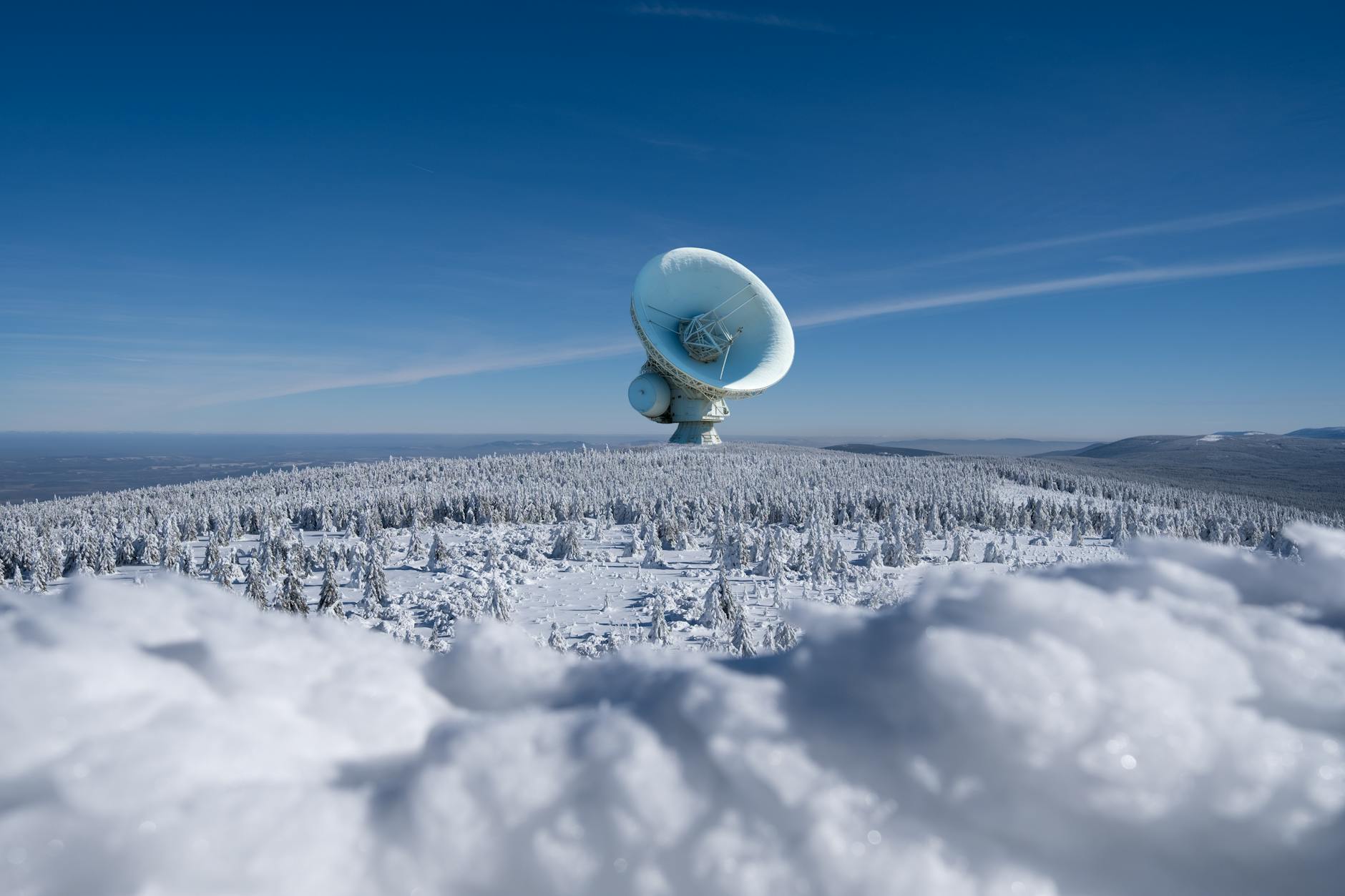
Budget phone manufacturers like Xiaomi, Realme, and OnePlus have begun incorporating these features into their mid-range lineups. The technology works by establishing a connection with satellites orbiting approximately 500 miles above Earth, which then relay messages to ground stations connected to traditional communication networks.
Real-World Applications Beyond Emergencies
While emergency services remain the primary use case, budget satellite messaging opens doors for everyday scenarios previously limited to expensive satellite communicators. Outdoor enthusiasts can now carry affordable phones that maintain basic communication capabilities in national parks, remote camping areas, and off-grid locations where cellular coverage doesn’t exist.
The agricultural sector has shown particular interest in budget satellite-enabled devices. Farmers working in remote fields can coordinate operations, report equipment failures, and receive weather updates without relying on spotty rural cellular coverage. Similarly, delivery drivers and logistics workers operating in areas with poor infrastructure benefit from maintained communication links.
Construction crews working on remote projects, researchers conducting field studies, and emergency responders in disaster zones all represent markets where budget satellite messaging addresses genuine connectivity needs without requiring premium device investments.

Limitations and Technical Realities
Current budget implementations focus primarily on text messaging rather than voice calls or data services. The satellite connections typically support messages up to 160 characters, similar to traditional SMS, with delivery times ranging from a few seconds to several minutes depending on satellite availability and weather conditions.
Battery consumption presents another consideration. Satellite communication requires more power than cellular connections, with typical usage reducing battery life by approximately 15-20% compared to standard operation. However, manufacturers have implemented power management features that activate satellite mode only when necessary and optimize transmission timing to minimize battery drain.
Weather conditions affect performance, with heavy cloud cover, precipitation, and atmospheric interference potentially delaying message delivery. Users must also maintain a relatively clear view of the sky, making indoor satellite communication impossible with current technology. The messaging interface requires specific positioning and patience, as establishing satellite connections can take 30 seconds to several minutes.
Market Impact and Carrier Integration
Mobile carriers have begun adapting their service plans to accommodate satellite messaging on budget devices. Rather than charging premium rates for satellite access, many carriers now include basic satellite messaging in standard plans or offer it as an affordable add-on service costing $5-10 per month for limited message allotments.
This pricing shift reflects the carriers’ recognition that satellite messaging serves as a safety net rather than a replacement for cellular service. By making it accessible on budget phones, carriers can differentiate their service offerings while potentially reducing emergency response costs and improving customer satisfaction in areas with poor coverage.
The technology’s expansion to budget devices also creates competitive pressure on traditional satellite communicator manufacturers like Garmin and SPOT, who have historically charged $100-300 for dedicated devices plus monthly service fees. When smartphones can provide similar emergency communication capabilities, the value proposition for standalone satellite messengers becomes less compelling for casual users.
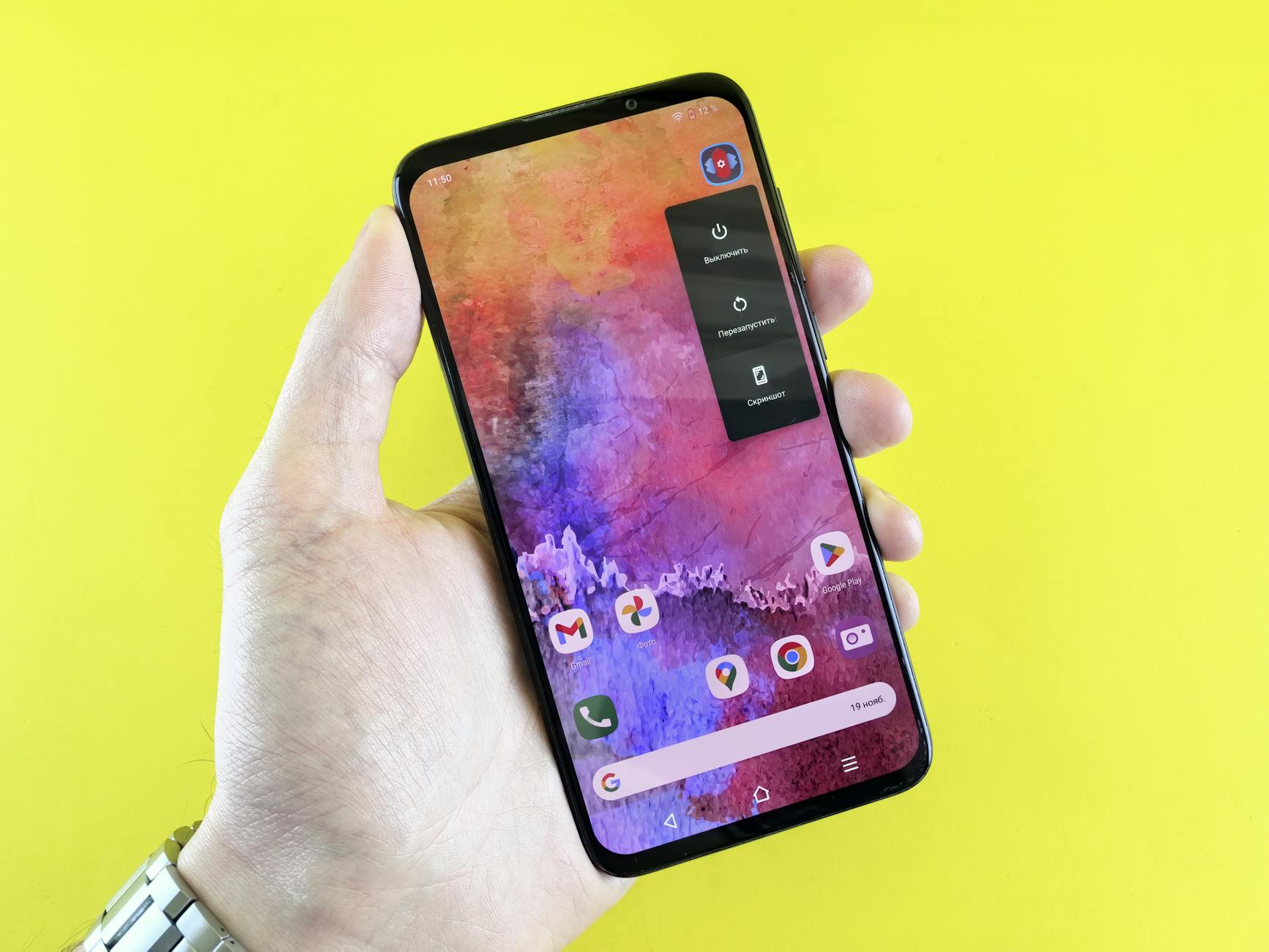
Budget Android phones with satellite messaging capabilities represent a significant democratization of emergency communication technology. As chip manufacturers continue refining integration methods and satellite networks expand coverage, these features will likely become standard across all price segments within the next few years. The technology promises to make remote communication more accessible while potentially saving lives in emergency situations where traditional connectivity fails.
Frequently Asked Questions
Do budget phones with satellite messaging work indoors?
No, current satellite messaging requires a clear view of the sky and doesn’t work indoors or under heavy cover.
How much do satellite messaging plans cost on budget phones?
Most carriers offer satellite messaging as an add-on for $5-10 per month with limited message allowances.
