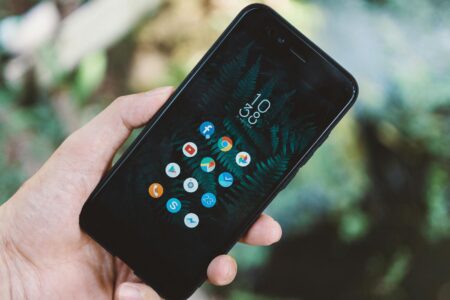





Emergency messages from remote wilderness areas are about to become as simple as sending a regular text. Major Android messaging platforms are integrating satellite connectivity directly into their standard apps, eliminating the need for specialized emergency devices or separate satellite messaging services.
Google Messages and Samsung Messages are leading this integration, working with satellite providers like Globalstar and Iridium to bring emergency communication capabilities to millions of Android devices. The technology builds on existing satellite emergency features introduced in premium smartphones, but extends beyond basic SOS signals to enable two-way text messaging when cellular towers are unreachable.
Unlike previous satellite communication solutions that required dedicated hardware or separate apps, this integration embeds satellite connectivity directly into the messaging experience Android users already know. When cellular and Wi-Fi connections fail, the messaging app automatically detects available satellite coverage and switches to satellite transmission mode.
How Android Satellite Messaging Actually Works
The satellite messaging integration relies on precise positioning and timing to establish connections with low-earth orbit satellites. When a user attempts to send a message in an area without cellular coverage, the messaging app uses GPS data to calculate the optimal satellite window and guides the user to point their device toward the satellite’s position.
The process differs significantly from cellular messaging. Satellite messages compress to minimize data usage, often limiting initial communications to preset emergency phrases or short custom messages. The system prioritizes emergency services integration, automatically sharing location coordinates with first responders when emergency contacts are messaged.
Current implementations require users to move to areas with clear sky visibility, as satellite signals cannot penetrate dense forest canopies or indoor locations effectively. The messaging apps provide real-time guidance, showing users which direction to face and how to angle their device for optimal satellite connection.
Message delivery times vary based on satellite position and network traffic, ranging from seconds to several minutes. Unlike instant cellular messaging, satellite communication operates more like traditional two-way radio, with users needing to wait for confirmation before sending additional messages.
Integration Across Major Android Messaging Platforms
Google Messages integration builds on Android’s existing emergency location services, extending satellite connectivity beyond Google Pixel devices to Android phones with compatible satellite modems. The feature activates automatically when cellular service drops, presenting users with satellite messaging options alongside standard cellular retry attempts.
Samsung Messages takes a different approach, partnering with multiple satellite providers to ensure broader coverage across different geographic regions. Samsung’s implementation includes integration with their Galaxy Watch ecosystem, allowing satellite message composition and reading through wearable devices when the paired smartphone has satellite connectivity.
Third-party messaging apps are also joining the satellite revolution. Signal has announced plans for satellite message encryption, ensuring end-to-end security even in satellite transmission modes. WhatsApp is testing satellite connectivity for business accounts, particularly targeting users in remote areas where cellular infrastructure remains limited.
The integration extends to RCS (Rich Communication Services), Android’s enhanced messaging protocol. RCS over satellite maintains message delivery confirmations and basic multimedia support, though image and video transmission remains limited by satellite bandwidth constraints.

Coverage Areas and Network Partnerships
Satellite coverage varies dramatically by provider and geographic location. Globalstar’s network provides strong coverage across North America and parts of Europe, while Iridium offers more comprehensive global coverage including polar regions and remote ocean areas. Android messaging apps automatically detect which satellite networks are available in the user’s current location.
Partnership agreements between Android device manufacturers and satellite providers determine which networks each phone can access. Premium flagship devices typically support multiple satellite networks, while mid-range Android phones may be limited to single-provider coverage based on cost considerations.
The technology faces significant limitations in equatorial regions where satellite coverage gaps persist. Users in parts of central Africa, Southeast Asia, and remote Pacific islands may experience inconsistent satellite connectivity even with compatible devices and messaging apps.
Rural smartphone connectivity has improved dramatically as satellite internet reaches previously underserved areas, but messaging-specific satellite integration operates independently from broader internet access satellite services.
Coverage maps provided by satellite messaging services update dynamically based on satellite orbital positions, weather conditions, and network maintenance schedules. Users can check real-time satellite availability through dedicated sections within their messaging apps before venturing into remote areas.
Emergency Services and First Responder Integration
Emergency services integration represents the most critical aspect of satellite messaging implementation. When users send messages to emergency contacts or use emergency messaging features, the system automatically transmits GPS coordinates, device information, and basic medical data if available through health apps.
First responder agencies are updating their communication systems to receive and process satellite-originated emergency messages. The messages appear differently in emergency dispatch systems, clearly identifying satellite-origin communications and including additional location precision data that cellular emergency calls often lack.
Some Android messaging implementations include pre-configured emergency message templates optimized for satellite transmission efficiency. These templates cover common emergency scenarios like vehicle breakdowns, medical emergencies, and natural disaster situations, allowing users to communicate critical information quickly even when typing custom messages proves difficult.
The system maintains emergency message priority over other satellite traffic, ensuring emergency communications receive preferential treatment in satellite network queues. However, users should understand that satellite emergency messaging supplements rather than replaces traditional emergency calling methods when cellular service remains available.

Future Developments and Broader Implications
Satellite messaging integration in Android apps represents just the beginning of broader satellite connectivity adoption in consumer devices. Upcoming Android releases will likely include more sophisticated satellite communication features, including voice calling capabilities and expanded multimedia sharing over satellite networks.
The technology’s evolution parallels developments in other smartphone connectivity features, much like Android phones gaining desktop-style file management capabilities that were previously limited to computers.
Battery life optimization remains a key development focus, as satellite communication requires significantly more power than cellular messaging. Future Android messaging implementations will likely include power management features that optimize satellite connectivity usage to preserve battery life during extended remote area usage.
Integration costs are expected to decrease as satellite messaging becomes standard across more Android devices, potentially making the technology accessible in budget smartphones within the next few years. This democratization could transform communication access in developing regions where cellular infrastructure development remains challenging.
As satellite messaging becomes mainstream in Android apps, the boundary between connected and disconnected areas continues to blur, promising a future where reliable communication remains possible regardless of terrestrial network availability.
Frequently Asked Questions
Do all Android phones support satellite messaging?
Only Android devices with compatible satellite modems can use satellite messaging features, typically found in newer flagship smartphones.
How much does satellite messaging cost on Android?
Costs vary by carrier and satellite provider, with some emergency messaging included free and extended messaging requiring subscription plans.