




The latest racing wheels deliver feedback so realistic that professional drivers now train with the same force feedback technology powering home gaming setups. What once required specialized motion simulators costing hundreds of thousands of dollars now sits on gaming desks worldwide, transforming how both casual players and serious racers experience virtual motorsport.
Force feedback technology has undergone a dramatic evolution over the past decade. Early gaming wheels provided basic vibration effects through simple rumble motors, offering little more than crude shake patterns when cars hit barriers or drove over rough surfaces. Today’s systems deliver precise, nuanced feedback that communicates tire grip, road texture, and vehicle dynamics with remarkable accuracy.
Direct Drive Systems Replace Belt and Gear Mechanisms
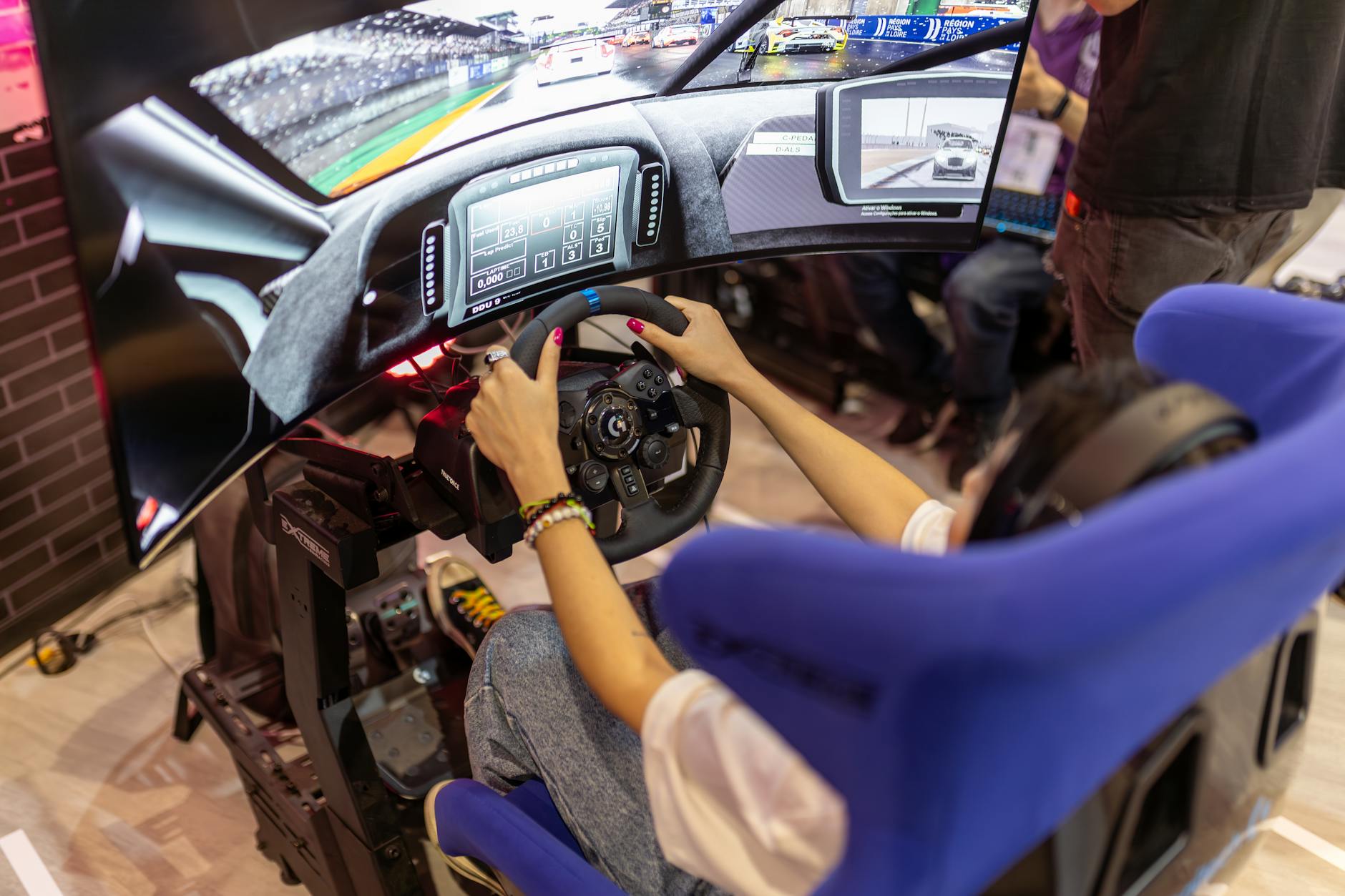
The breakthrough came when manufacturers abandoned traditional belt-driven and gear-based systems in favor of direct drive technology. Companies like Fanatec, Thrustmaster, and Logitech now offer direct drive wheels that connect the motor directly to the steering shaft, eliminating the mechanical losses and delays that plagued earlier designs.
Direct drive systems generate significantly more torque while providing instantaneous response to game physics calculations. Where older wheels might produce 2-3 Newton-meters of peak force, current direct drive models deliver 8-15 Newton-meters consistently. This increased power allows wheels to accurately simulate the weight and resistance of real steering systems, from lightweight formula cars to heavy touring vehicles.
The precision improvements prove equally impressive. Modern force feedback systems operate at refresh rates exceeding 1000Hz, updating force calculations multiple times per millisecond. This high-frequency response creates smooth, continuous feedback that eliminates the notchy, stepwise sensations that characterized earlier technology.
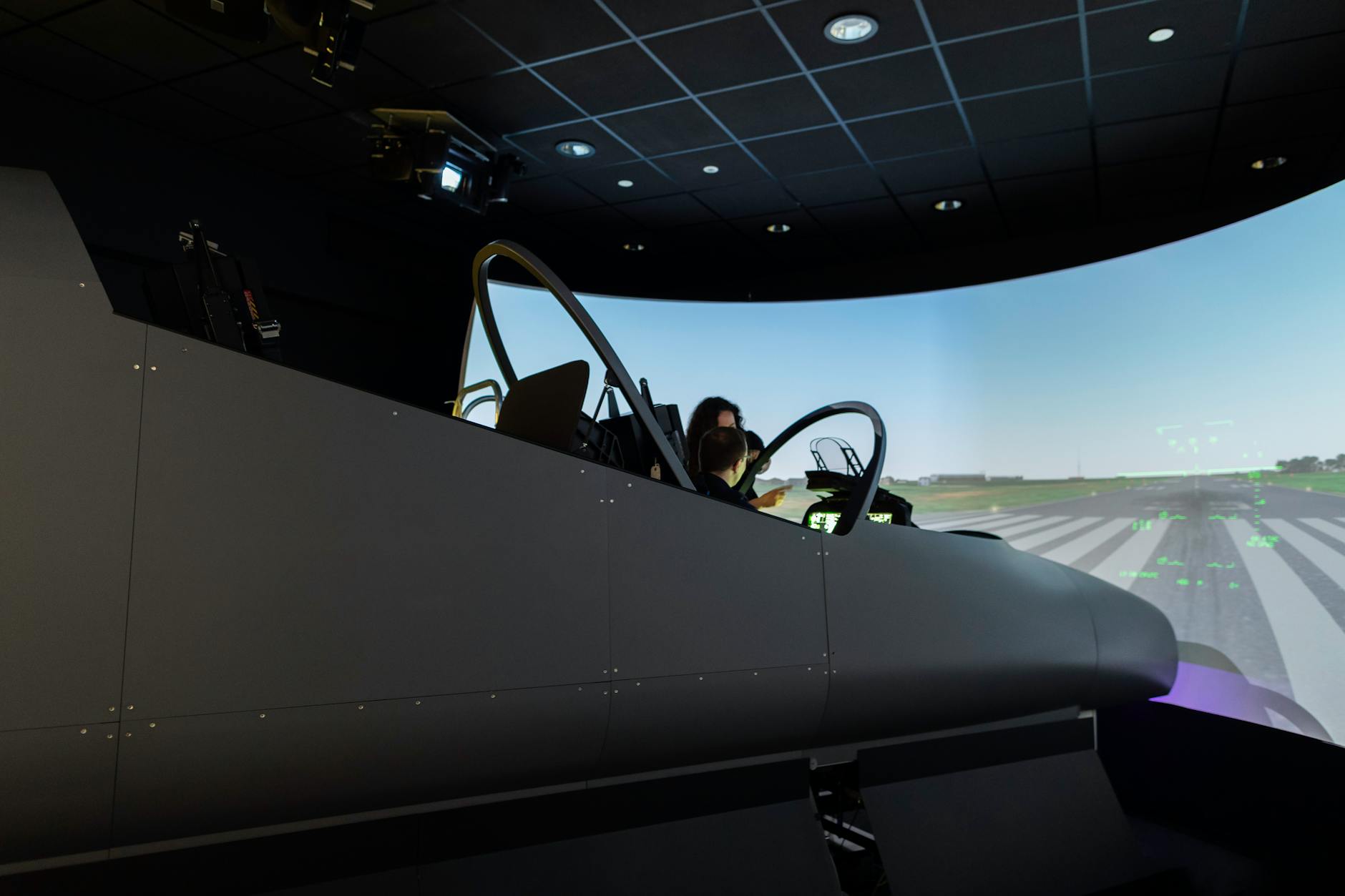
Professional racing simulators in commercial facilities now use the same fundamental technology found in consumer wheels, with differences mainly in build quality and maximum force output rather than underlying physics simulation capabilities.
Advanced Physics Integration Transforms Realism
Racing game developers have simultaneously improved their physics engines to take full advantage of enhanced force feedback hardware. Modern racing simulations like iRacing, Assetto Corsa Competizione, and Gran Turismo Sport calculate tire physics, suspension geometry, and aerodynamic effects in real-time, translating complex vehicle dynamics into steering wheel forces.
These physics improvements allow wheels to communicate subtle information that real drivers rely on during competition. Players can now feel the precise moment when front tires begin to understeer, sense how weight transfer affects grip during braking, and detect the optimal slip angle for maximum cornering speed.
Game engines now simulate factors that were previously ignored: tire temperature changes affecting grip levels, fuel load impacts on handling characteristics, and even aerodynamic forces pushing down on the steering at high speeds. Force feedback systems translate these calculations into tactile sensations that match what professional drivers experience on actual race tracks.

The integration extends beyond pure racing simulations. Even arcade-style racing games now incorporate sophisticated force feedback algorithms that provide meaningful tactile information while maintaining accessibility for casual players. This broader adoption has driven hardware manufacturers to optimize their products for diverse gaming experiences rather than focusing solely on hardcore simulation applications.
Ecosystem Development Supports Competitive Racing
The maturation of force feedback technology has enabled the growth of legitimate esports racing competitions. Professional racing leagues now host virtual championships with prize pools reaching six figures, attracting both traditional motorsport teams and dedicated sim racing athletes.
NASCAR, Formula 1, IndyCar, and other major racing series have established official virtual competitions using consumer-grade force feedback wheels as standard equipment. This legitimization has motivated manufacturers to develop products specifically designed for competitive use, with features like customizable force curves, adjustable damping settings, and quick-release mechanisms for rapid driver changes.
The competitive scene has also driven innovation in peripheral devices that complement force feedback wheels. High-end pedal sets now incorporate load cell technology that measures applied pressure rather than simple position, while shifters and handbrake units provide realistic mechanical feedback. These components work together to create comprehensive simulation environments that rival professional training facilities.
Streaming platforms have amplified the reach of sim racing content, with popular racing streamers demonstrating advanced force feedback techniques to audiences numbering in the hundreds of thousands. This exposure has accelerated mainstream adoption while providing feedback to developers about real-world usage patterns and performance requirements.
Professional Training Applications Validate Technology
The convergence of consumer and professional-grade force feedback technology has reached the point where actual racing drivers use home gaming setups for legitimate training purposes. NASCAR Cup Series drivers regularly practice on consumer wheels during off-seasons, while Formula 1 teams provide their drivers with high-end gaming rigs for track familiarization and setup development.
Professional driving instructors now incorporate force feedback wheels into their training curricula, using the technology to teach vehicle dynamics concepts that would be dangerous or expensive to demonstrate in real cars. Students can experience the effects of different suspension settings, tire compounds, and aerodynamic configurations without the risks and costs associated with track time.
Racing schools have begun offering sim racing certification programs that provide transferable skills for real-world motorsport competition. These programs rely on consumer force feedback technology as their primary training tool, validating the accuracy and effectiveness of current gaming hardware.
The bidirectional flow of technology and expertise between professional motorsport and gaming has accelerated development cycles while ensuring that innovations serve both entertainment and practical training applications.
Future Developments Promise Even Greater Realism
Force feedback technology continues advancing as manufacturers explore new approaches to tactile simulation. Haptic feedback systems are being integrated into steering wheels to provide texture sensations that complement force effects, allowing players to feel different road surfaces and track conditions through their fingertips.
Wireless force feedback wheels are entering development, promising to eliminate cables while maintaining the low-latency communication required for responsive force effects. These systems will enable more flexible setup configurations while reducing the complexity of multi-monitor racing environments.
The integration of artificial intelligence into force feedback algorithms shows promise for personalizing feedback characteristics based on individual driving styles and preferences. Machine learning systems could automatically adjust force curves and damping settings to optimize the experience for each user while maintaining realistic vehicle behavior.
As streaming technology continues to evolve, force feedback systems may incorporate telemetry sharing capabilities that allow viewers to experience the same forces that streamers feel during races, creating new forms of interactive entertainment.
The technology that once separated professional simulators from consumer gaming has largely disappeared, replaced by an ecosystem where the same fundamental physics and feedback systems serve both entertainment and serious training applications. This convergence has not only transformed gaming but established virtual racing as a legitimate form of motorsport competition with real-world relevance and professional applications.
Frequently Asked Questions
What makes modern force feedback wheels more realistic than older models?
Direct drive systems and high-frequency physics calculations eliminate mechanical delays and provide smooth, accurate force simulation.
Do professional drivers actually use consumer racing wheels for training?
Yes, NASCAR and Formula 1 drivers regularly use high-end consumer wheels for practice and track familiarization between races.