




The PlayStation Portal’s unexpected triumph has Microsoft scrambling to respond. Sony’s remote play device, initially dismissed by critics as overpriced and limited, has sold beyond all expectations since its November 2023 launch. Industry insiders report that Xbox executives are now fast-tracking their own handheld gaming solution, marking a dramatic shift in Microsoft’s portable strategy.
The Portal’s success caught everyone off guard. Originally positioned as a niche accessory for PlayStation 5 owners, the 199-dollar streaming device has consistently sold out at major retailers. Its eight-inch LCD screen and dedicated controls for remote play struck a chord with gamers seeking console-quality experiences without monopolizing the living room TV.

Xbox’s Handheld Strategy Takes Shape
Microsoft’s approach differs fundamentally from Sony’s streaming-only model. Sources familiar with the project indicate Xbox’s handheld will combine local game processing with cloud streaming capabilities through Game Pass Ultimate. This hybrid approach aims to address the Portal’s primary limitation – its dependence on a constant internet connection to a PlayStation 5 console.
The device reportedly runs a custom version of Windows optimized for gaming, allowing it to play both native Xbox games and stream titles from Microsoft’s cloud infrastructure. This flexibility could prove decisive in capturing market share from both Sony and Nintendo’s Switch family.
Phil Spencer, Xbox’s head, has publicly acknowledged the handheld gaming market’s importance. During recent interviews, he emphasized Microsoft’s commitment to reaching players wherever they are, suggesting the company views portable gaming as essential to its long-term strategy.
Internal development timelines point to a potential 2025 release window, though Microsoft hasn’t confirmed official launch plans. The project has reportedly received increased funding and personnel following the Portal’s commercial success.
Learning From PlayStation Portal’s Unexpected Wins
Sony’s device succeeded by solving a specific problem many households face: gaming conflicts over shared screens. Parents could continue their PlayStation 5 adventures while children watched television, and partners could game without disrupting others’ entertainment choices. This practical appeal resonated far beyond Sony’s initial target audience.
The Portal’s form factor also proved ideal for extended gaming sessions. Its ergonomic design and familiar DualSense controller layout allowed seamless transitions from console to handheld gaming. Players reported that streaming quality remained surprisingly stable over home WiFi networks, contradicting early skepticism about latency and visual fidelity.
Microsoft has apparently studied these success factors extensively. The Xbox handheld project emphasizes similar ergonomic principles while adding the flexibility of local processing power. This could eliminate the Portal’s reliance on perfect network conditions, potentially expanding the addressable market significantly.
Game Pass integration represents Microsoft’s biggest potential advantage. While Portal owners need to purchase individual PlayStation games, Xbox’s handheld could offer immediate access to hundreds of titles through existing subscriptions. This value proposition might prove compelling for budget-conscious gamers.
Competition Reshapes Portable Gaming Landscape
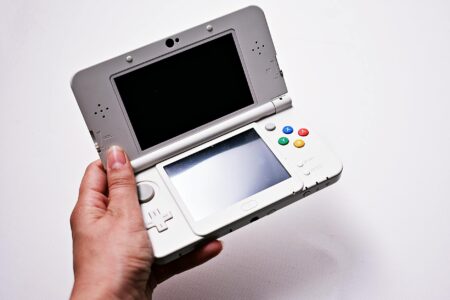
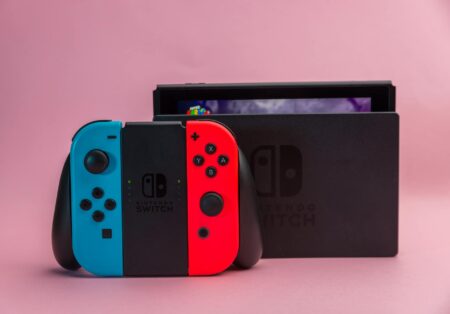
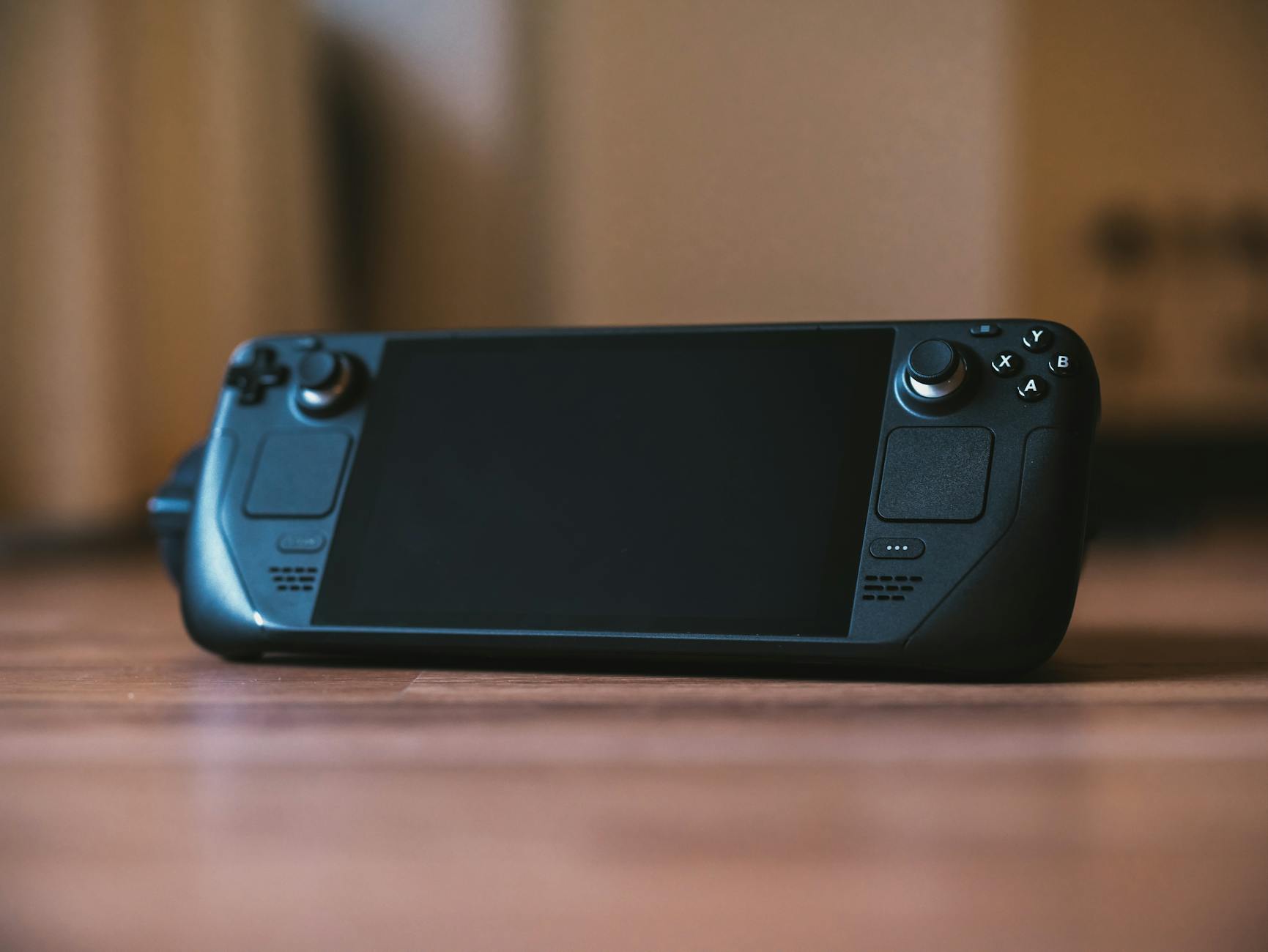
Nintendo has dominated handheld gaming for decades, but recent developments suggest this monopoly faces serious challenges. The Steam Deck pioneered high-performance portable PC gaming, proving demand exists for console-quality experiences in handheld form factors. Sony’s Portal demonstrated that streaming-based solutions could find mainstream acceptance.
Microsoft’s entry would complete a three-way battle for portable gaming supremacy. Each platform offers distinct advantages: Nintendo’s exclusive franchises and local multiplayer focus, Sony’s integration with PlayStation ecosystems, and Microsoft’s Game Pass value proposition.
Industry analysts predict this competition will drive rapid innovation in portable gaming technology. Battery life, display quality, processing power, and streaming capabilities will likely see significant improvements as companies compete for market leadership.
The timing aligns with broader gaming trends toward cross-platform play and device flexibility. Console makers are increasingly adding modular features to compete with PC gaming, and handheld devices represent another front in this battle for player engagement.
Technical Challenges and Market Opportunities
Creating a successful gaming handheld involves balancing numerous technical constraints. Battery life remains the primary challenge – powerful processors drain power quickly, limiting gaming sessions. Microsoft’s hybrid approach could help by offloading processing to cloud servers when possible, extending battery performance.
Display technology presents another hurdle. The Portal uses an eight-inch LCD screen, but OLED displays offer better color reproduction and contrast ratios. However, OLED screens cost more and consume additional power, creating difficult trade-offs between quality and affordability.
Pricing strategy will prove crucial for market acceptance. The Portal’s 199-dollar price point initially seemed steep for a streaming-only device, but strong sales validated Sony’s positioning. Microsoft must determine whether to undercut competitors or position their device as a premium offering with additional capabilities.
Manufacturing capacity represents a practical concern following widespread supply chain disruptions in recent years. Companies that secure reliable component supplies and production partnerships will have significant advantages in meeting consumer demand.

The broader gaming market continues expanding beyond traditional demographics. Mobile gaming has introduced millions to interactive entertainment, creating potential customers for more sophisticated portable experiences. Microsoft’s established relationships with game developers through Xbox Game Studios and third-party partnerships position them well to capitalize on this expanding audience.
Microsoft’s handheld gaming device represents more than competitive response – it signals the company’s recognition that gaming’s future involves multiple form factors and play styles. The Portal’s success demonstrated that consumers want flexibility in how and where they game. Xbox’s challenge now involves creating a device that delivers on this promise while differentiating itself from existing solutions.
The next two years will likely determine whether portable gaming becomes a three-platform battleground or if one approach emerges dominant. Microsoft’s entry ensures this evolution will accelerate, benefiting gamers through increased innovation and competitive pricing across the entire handheld gaming market.
Frequently Asked Questions
When will Xbox release their handheld gaming device?
Industry sources suggest a potential 2025 release window, though Microsoft hasn’t confirmed official launch plans.
How will Xbox’s handheld differ from PlayStation Portal?
Xbox’s device will reportedly combine local game processing with cloud streaming, unlike Portal’s streaming-only approach.