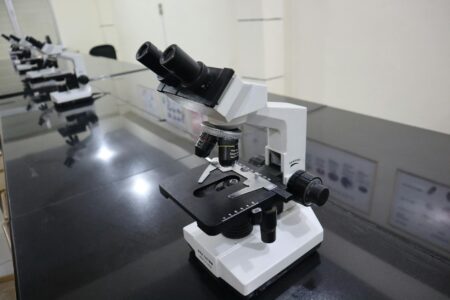





Scientists at MIT and other research institutions are growing wood in laboratory petri dishes, creating timber that could revolutionize construction while addressing deforestation concerns. This lab-grown wood, cultivated from plant cells without the need for trees, soil, or decades of growth time, represents a potential breakthrough in sustainable building materials.
The process begins with cells extracted from tree tissue, which researchers then culture in nutrient-rich solutions. These cells multiply and form wood-like structures within weeks rather than the years or decades required for traditional tree growth. Early samples demonstrate the structural properties needed for construction applications, though the technology remains in development phases.

How Scientists Create Wood Without Trees
The cellular agriculture approach to wood production involves extracting cells from existing trees and placing them in controlled laboratory environments. Researchers provide these cells with specific nutrients, growth hormones, and environmental conditions that encourage rapid multiplication and organization into wood-like tissue structures.
Unlike traditional forestry, this method allows scientists to control the density, grain patterns, and other characteristics of the resulting material. The cells can be directed to form specific shapes and sizes, potentially eliminating waste from cutting and shaping traditional lumber. Research teams report producing wood samples with consistent properties, addressing one of the construction industry’s longstanding challenges with natural lumber variability.
The technology builds on advances in tissue engineering and cellular agriculture that have already produced lab-grown meat and leather alternatives. Companies and research institutions worldwide are investigating different approaches, from using mushroom mycelium as growing substrates to developing entirely synthetic wood alternatives from recycled materials.
Construction Industry Applications and Potential
Early testing suggests lab-grown wood could meet many construction requirements currently filled by traditional lumber. The material demonstrates comparable strength properties for framing applications, while offering advantages in consistency and customization that conventional wood cannot match.
Construction companies are particularly interested in the potential for creating engineered lumber products with specific characteristics. Lab-grown wood could be designed for particular load-bearing requirements, moisture resistance, or fire retardancy without the chemical treatments currently applied to natural lumber. This precision could lead to more efficient building designs and potentially safer structures.

The technology also addresses supply chain concerns that have plagued the construction industry. Traditional lumber prices fluctuate based on weather conditions, forest fires, trade policies, and other factors beyond builders’ control. Lab-grown alternatives could provide more predictable pricing and availability, especially as production scales increase.
Several pilot projects are exploring integration of these materials into actual construction applications. While full-scale commercial deployment remains years away, early tests in non-structural applications like interior paneling and decorative elements show promising results.
Environmental Impact and Sustainability Benefits
The environmental implications of lab-grown wood extend beyond simply reducing tree harvesting. Traditional forestry operations require significant land use, transportation infrastructure, and processing facilities that contribute to carbon emissions. Laboratory production could dramatically reduce these environmental costs while providing similar end products.
Forest conservation advocates see potential for protecting old-growth forests and biodiversity hotspots currently threatened by logging operations. The technology could also help address deforestation in developing regions where timber harvesting often conflicts with conservation efforts and indigenous land rights.
However, the energy requirements for laboratory production present their own environmental considerations. The controlled environments, nutrient solutions, and processing equipment needed for cellular wood cultivation require substantial electricity inputs. Research teams are working to optimize these processes and integrate renewable energy sources to minimize the carbon footprint.
Water usage represents another factor in the environmental equation. While traditional forestry relies on natural rainfall and irrigation, lab-grown wood requires precise water management in controlled systems. Early estimates suggest overall water efficiency could be higher than conventional tree farming when transportation and processing are included.
Challenges and Timeline for Commercial Adoption
Despite promising early results, significant hurdles remain before lab-grown wood reaches construction sites. Current production costs far exceed traditional lumber prices, though researchers expect economies of scale to improve competitiveness as technology advances and production volumes increase.
Regulatory approval presents another challenge, as building codes and safety standards were developed for conventional materials. Lab-grown wood will need extensive testing and certification before gaining approval for structural applications in most jurisdictions. This process typically takes years and requires demonstrating long-term performance characteristics.
The technology sector has seen similar trajectories with other innovative materials, much like how advances in AI applications have accelerated development timelines across multiple industries, as demonstrated in areas like protein research and drug discovery.
Manufacturing infrastructure represents perhaps the largest immediate obstacle. Current laboratory setups can produce small samples and demonstration pieces, but scaling to construction-relevant volumes requires substantial capital investment and technological refinement. Industry analysts estimate commercial viability could emerge within the next decade if development continues at current pace.
Future of Sustainable Construction Materials
Lab-grown wood represents just one element of broader efforts to revolutionize construction materials for sustainability and performance. Researchers are simultaneously developing bio-based concrete alternatives, recycled steel products, and other innovations that could transform how buildings are designed and constructed.
The convergence of these technologies suggests a future where construction materials are designed rather than simply harvested or mined. This approach could lead to buildings with enhanced performance characteristics while dramatically reducing environmental impact. As climate change concerns drive demand for sustainable alternatives across industries, lab-grown wood and similar innovations are likely to see accelerated development and adoption.
The timeline for widespread implementation depends on continued research funding, industry partnerships, and regulatory frameworks that support innovative materials. Early adopters in the construction industry are already preparing for integration of these technologies into future projects, recognizing the potential competitive advantages of sustainable, customizable building materials.
Frequently Asked Questions
How long does it take to grow wood in a laboratory?
Lab-grown wood can be produced in weeks rather than the years or decades required for traditional tree growth.
Is lab-grown wood as strong as regular lumber?
Early testing suggests lab-grown wood demonstrates comparable strength properties for construction applications.