


The smartphone industry’s greatest experiment is finally paying off. After years of fragile displays and disappointing durability, foldable phones have quietly achieved what many thought impossible: matching the longevity of traditional smartphones.
Samsung’s Galaxy Z Fold 5 and Z Flip 5 now survive the same drop tests that once destroyed their predecessors. Google’s Pixel Fold withstands daily abuse with minimal wear. Motorola’s Razr series no longer requires the delicate handling that made early adopters nervous. The transformation represents one of the most significant engineering achievements in mobile technology.
This breakthrough didn’t happen overnight. It required fundamental changes to materials science, hinge engineering, and display technology that took nearly five years to perfect.
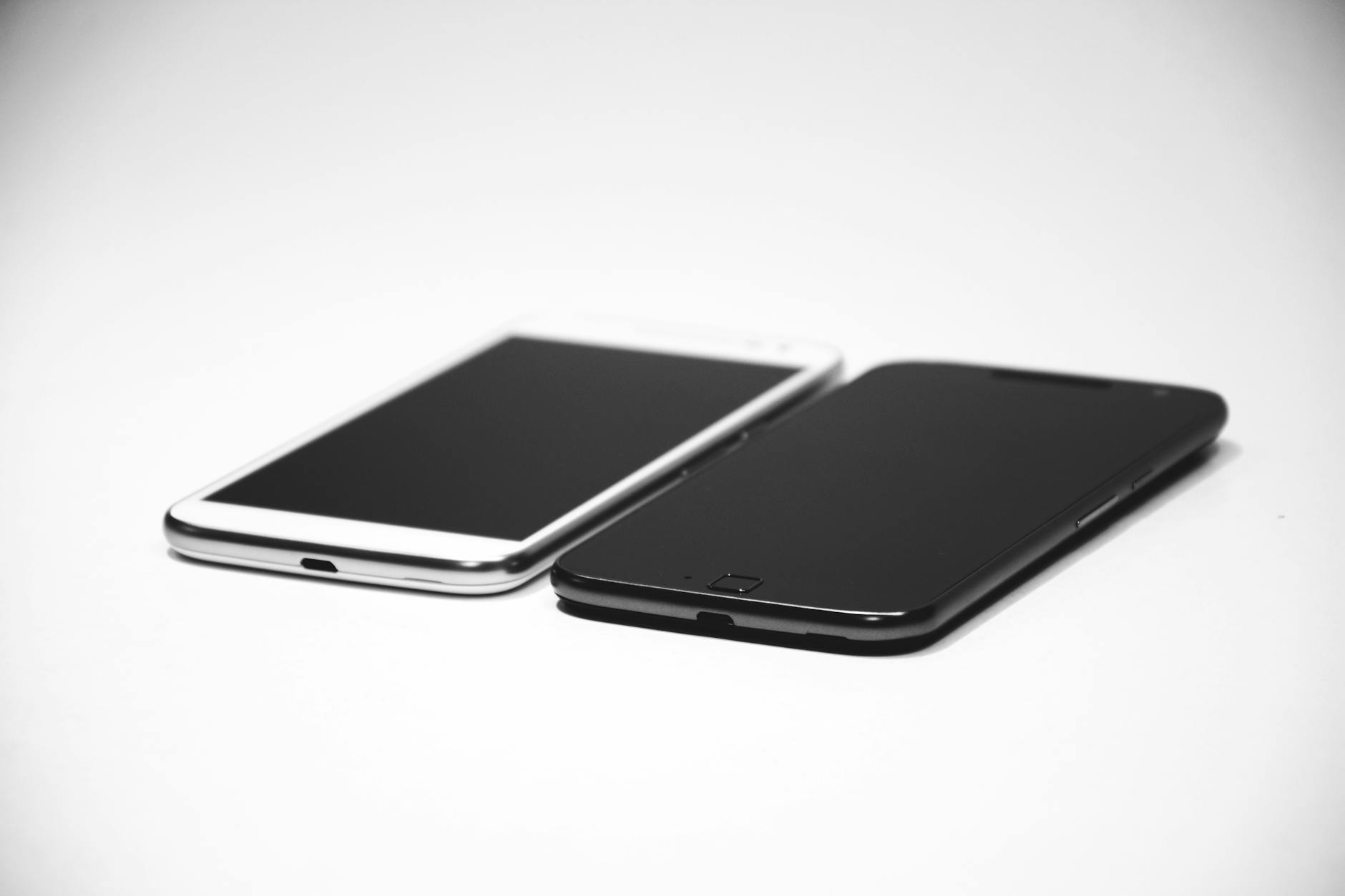
Ultra-Thin Glass Revolution Changes Everything
The durability leap starts with the display itself. Early foldable phones used plastic polymer screens that scratched easily and developed permanent creases within months. Today’s foldables feature ultra-thin glass (UTG) that maintains flexibility while offering scratch resistance comparable to traditional smartphone screens.
Samsung’s latest UTG measures just 30 micrometers thick – roughly one-third the width of human hair – yet provides the surface hardness users expect from premium devices. The glass undergoes a specialized annealing process that creates micro-stress patterns, allowing it to bend repeatedly without fracturing.
Independent testing labs now rate foldable displays at 200,000+ fold cycles before showing significant wear. Real-world usage typically involves 50-100 folds per day, meaning the screens should last four to five years under normal conditions. This matches the replacement cycle of traditional smartphones.
The protective layers have improved dramatically too. Modern foldables use multi-layer constructions with impact-absorbing polymers sandwiched between the glass and supporting framework. When drops occur, these layers distribute force across the entire surface rather than concentrating stress at impact points.
Precision Hinge Engineering Eliminates Weak Points
Hinges represented the biggest durability challenge in early foldables. Moving parts inevitably wear down, and the complex mechanisms required for smooth folding created multiple failure points. Today’s hinges use aerospace-grade materials and precision manufacturing that rival Swiss watchmaking.
Samsung’s Flex Hinge incorporates over 100 individual components, each machined to tolerances measured in microns. The hinge uses a dual-cam mechanism that maintains consistent tension throughout the folding motion while preventing over-extension that could damage internal components.
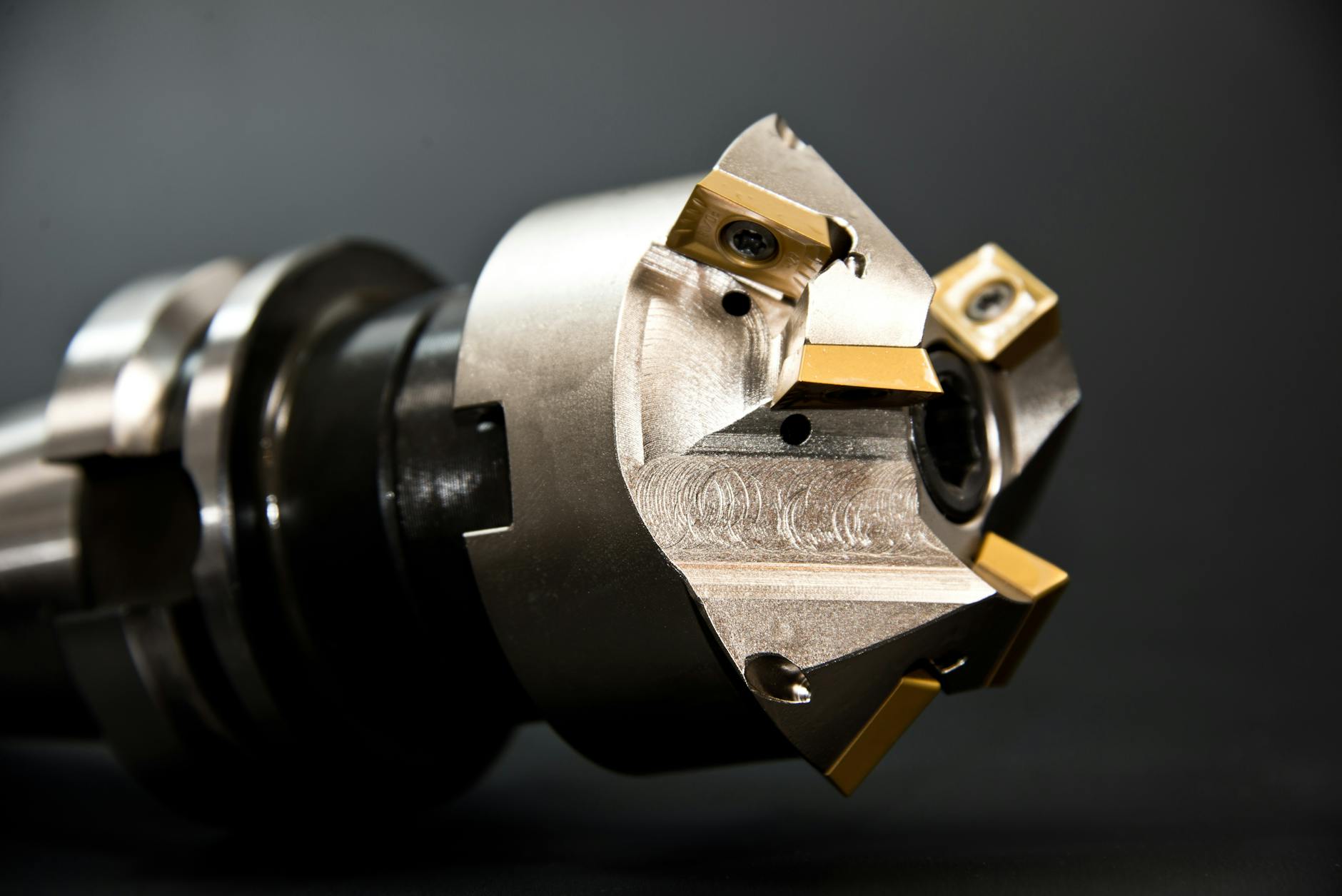
The most significant innovation involves debris resistance. Early foldables suffered when dust particles entered hinge mechanisms, causing grinding and eventual failure. Current designs feature sealed bearing assemblies and brush barriers that prevent particle infiltration while maintaining smooth operation.
Water resistance posed another challenge. Foldables now achieve IPX8 ratings despite their complex moving parts. Advanced sealing techniques use flexible gaskets that compress during folding while maintaining watertight barriers. The achievement required developing new polymer compounds that remain elastic across thousands of compression cycles.
Temperature testing shows modern hinges function normally from -20°C to 60°C, covering extreme usage conditions from winter outdoor activities to devices left in hot cars. The materials science breakthrough involved creating metal alloys that maintain structural integrity across these temperature ranges while preserving smooth mechanical action.
Advanced Materials Science Tackles Real-World Abuse
Beyond displays and hinges, foldable manufacturers have revolutionized the materials used throughout device construction. The frames now use high-strength aluminum alloys originally developed for aerospace applications. These materials offer 40% better impact resistance compared to standard smartphone frames while weighing 15% less.
The outer displays on foldables like the Galaxy Z Flip series use Gorilla Glass Victus, the same protection found on flagship traditional phones. This addresses early criticism that foldables sacrificed durability for innovation. Users no longer need to choose between cutting-edge design and reliable protection.
Internal shock absorption has improved through strategic placement of dampening materials at stress concentration points. When devices experience impacts, these materials prevent force transmission to sensitive components like the folding display assembly. The engineering requires computer modeling to identify optimal placement locations for maximum protective effect.
Heat management represents another crucial durability factor. Modern processors generate significant heat, and foldable designs initially struggled with thermal dissipation due to their compact folded configurations. Current models use advanced heat pipe systems and thermal interface materials that efficiently transfer heat away from critical components.
Battery longevity has improved through better thermal management and optimized charging algorithms. Foldable batteries now maintain 80% capacity after 1,000 charge cycles, matching traditional smartphone performance. This addresses early concerns about reduced battery life due to the split-cell designs required for folding form factors.
Real-World Testing Confirms Laboratory Results
Consumer reports and warranty claim data confirm the laboratory improvements translate to actual usage. Major carriers report that foldable phone return rates for durability issues have dropped 70% compared to first-generation models. Insurance claims for accidental damage now occur at similar rates to traditional premium smartphones.
Professional repair services note the reduced frequency of hinge-related repairs. Screen replacements for folding displays have become routine procedures rather than requiring specialized techniques. The standardization of repair processes indicates the technology has matured beyond experimental status.
Long-term user studies show satisfaction rates for foldable durability now match traditional smartphones. Early adopters who experienced durability issues with first-generation devices report confidence in current models for business and professional use. The psychological barrier of treating foldables as fragile devices has largely disappeared.
The warranty coverage reflects manufacturer confidence in durability improvements. Samsung, Google, and Motorola now offer the same warranty terms for foldables as traditional smartphones, indicating internal data supports the longevity claims.
Future-Proofing Mobile Innovation
The durability breakthrough enables foldable phones to compete directly with traditional smartphones rather than existing as premium experiments. As manufacturers focus on core functionality improvements, foldables can now emphasize productivity and user experience advantages without durability concerns overshadowing their benefits.
Industry analysts project foldable market share will reach 15% of premium smartphone sales by 2026, driven primarily by durability confidence rather than novelty appeal. The technology has crossed the reliability threshold required for mainstream adoption.
The engineering advances developed for foldables are already appearing in traditional smartphone design. Improved materials science, advanced hinge mechanisms for accessories, and enhanced drop protection techniques benefit the entire mobile ecosystem.
Foldable phones have finally achieved the durability milestone that transforms them from interesting experiments into practical daily devices. The four-year engineering journey proves that revolutionary form factors can achieve evolutionary reliability when backed by sufficient research and development investment.
Frequently Asked Questions
How long do modern foldable phone screens last?
Current foldable displays are rated for 200,000+ fold cycles, lasting 4-5 years under typical daily usage of 50-100 folds.
Are foldable phones as water resistant as regular smartphones?
Yes, modern foldables achieve IPX8 water resistance ratings despite their complex moving parts through advanced sealing techniques.
