





The Slow Burn Strategy That’s Reigniting Old Flames
Street Fighter 6 has been running its DLC calendar at a pace that feels almost deliberately unhurried – and somewhere in those long gaps between character drops, a remarkable thing is happening: players are going back to Marvel vs. Capcom 2.

How DLC Pacing Creates Dead Zones – and What Fills Them
Street Fighter 6 launched in June 2023 with a strong base roster and a roadmap promising additional fighters across multiple seasons. The rollout has delivered, but not rapidly. Character releases tend to land months apart, which means dedicated players who have ground their chosen mains into muscle memory eventually hit a wall. There is only so much ranked ladder climbing or training mode theory-crafting before the need for something new overrides the comfort of the familiar. That restlessness has to go somewhere.
What makes Marvel vs. Capcom 2 the specific destination rather than, say, Street Fighter III or Capcom vs. SNK 2 is a combination of nostalgia, accessibility, and a specific kind of chaos that Street Fighter 6 does not offer. SF6 is a technically demanding, deliberately paced game that rewards defense and resource management. MvC2 is the opposite – a three-on-three hyper-kinetic brawler where nearly anything can happen at any moment. The tonal contrast is exactly what a burned-out SF6 player needs.
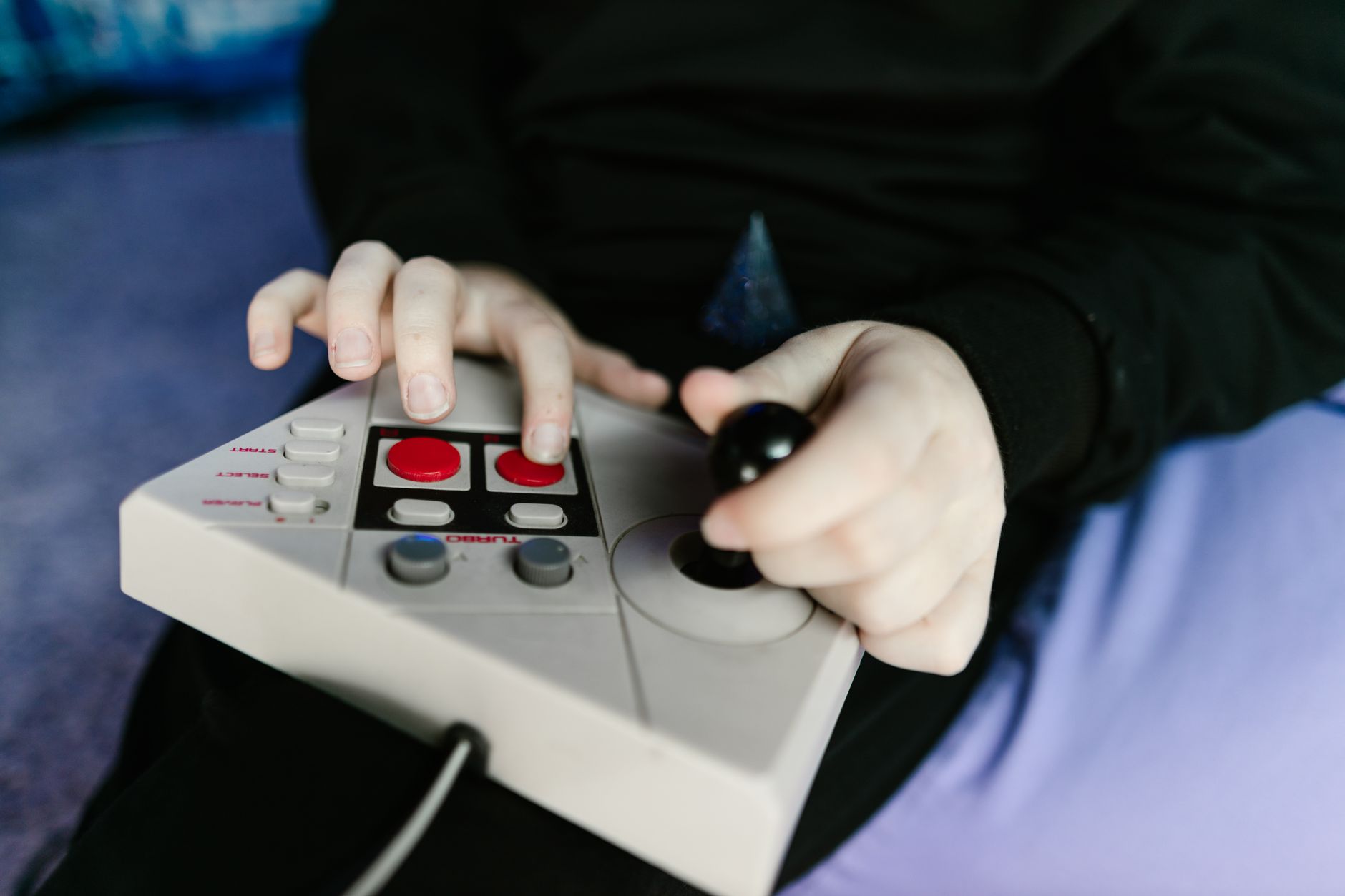
Fighting game communities have a long history of cycling between titles when the primary scene cools. After a major patch, before a new character arrives, or simply when online matchmaking queues dry up at odd hours, players migrate. The difference now is that MvC2 has no official modern release. It was delisted from digital storefronts in 2013, which makes the renewed interest a story about preservation culture as much as it is about nostalgia. Players are hunting down original Dreamcast discs, PlayStation 2 copies, and running MAME emulators to scratch the itch.
That friction – the fact that getting MvC2 running in 2024 requires actual effort – has become part of its appeal. It signals genuine enthusiasm rather than idle browsing. The communities gathering around MvC2 right now are not casual. They are players motivated enough to configure emulators, join Discord servers organized around rollback netcode mods, and study frame data from a game that is a quarter century old. Street Fighter 6’s DLC gaps did not create that passion, but they gave it room to surface.
The Capcom Catalog Effect and Why MvC2 Sits at the Top
Capcom maintains one of the deepest back catalogs in fighting game history, and when players step away from SF6’s current meta, they rarely wander far from the publisher’s orbit. Titles like Darkstalkers, Power Stone, and the Vs. series all circulate in conversation. But MvC2 carries a specific cultural weight that the others lack. It was the game that defined a generation of arcade-goers, tournament players, and casual fans who grew up watching Storm and Sentinel combo videos on early YouTube. Its soundtrack alone – an oddly cheerful jazz loop that somehow became iconic – triggers instant recognition across age groups.
There is also a practical competitive angle. MvC2’s tier list is notoriously top-heavy, with a small cluster of characters dominating high-level play. That has historically been seen as the game’s weakness. In the current moment, however, some players find it liberating. Learning to play within a broken system, understanding why certain team compositions are superior and how to operate around those constraints, is a different kind of mastery than what SF6 demands. Both games reward deep knowledge, but MvC2’s knowledge base has a ceiling that makes it feel completable in a way that an actively updated fighting game does not.
The rollback netcode modding scene around MvC2 deserves direct credit here. Projects that have added rollback functionality to the Dreamcast and PS2 versions of the game have made online play viable across geographic distances in a way the original netcode never supported. This technical improvement arrived years ago, but its user base keeps growing as new players discover it. SF6 veterans accustomed to stable online play are not willing to tolerate the laggy experience of older peer-to-peer netcode, and the rollback modding community solved that barrier.
Capcom has stayed publicly quiet about any future for the Vs. series. Marvel vs. Capcom: Infinite launched in 2017 to underwhelming commercial and critical reception, partly due to licensing decisions that kept beloved Marvel characters off the roster. The shadow of that release has made Capcom cautious about committing to a new entry. But the groundswell around MvC2 right now reads as market signal – the kind that has historically preceded re-releases or franchise revivals. Capcom has a pattern of letting silence build demand before making announcements, and the MvC2 conversation is getting loud enough to notice.
Streaming has amplified everything. MvC2 content performs reliably on Twitch and YouTube because the game is visually chaotic and produces constant highlight moments. A Strider Hiryu magic series into a DHC into a Sentinel unfly combo is more immediately spectacular to a casual viewer than most exchanges in Street Fighter 6. Streamers returning to MvC2 during SF6’s dry periods are not just entertaining themselves – they are introducing the game to audiences who were not old enough to play it originally, and that new audience is converting into active players at a visible rate.
What This Means for Both Games Going Forward
Street Fighter 6’s second season continues with confirmed DLC characters still to arrive, which means the cycle is not ending soon. Each gap between releases will push another wave of players toward the back catalog, and MvC2 sits at the top of that stack for the reasons already outlined. The irony is that SF6’s quality is part of what makes the absence of new content feel so pronounced – a game this polished raises expectations for what comes next, and waiting sharpens the appetite.
The more interesting question is whether Capcom reads the MvC2 revival as something worth responding to commercially. A re-release with rollback netcode built in, proper online lobbies, and even a modest roster expansion would find a ready audience. The licensing situation with Marvel adds complexity that has tripped up the series before, but the demand is clearly there. For now, the players who want MvC2 are finding it themselves – and the fact that they are willing to do so, hardware configurations and all, says more about the game’s hold than any sales figure could.