




When Silence Speaks Volumes
Capcom announced Pragmata back in 2020 with a trailer that turned heads immediately – a little girl in an astronaut suit, a mysterious figure in a futuristic Tokyo, and a tone that felt unlike anything else on the horizon. Since then, almost nothing. No new gameplay footage. No release window. No developer commentary. Just periodic confirmation that the project is still alive, followed by more quiet. For a game that generated genuine excitement on reveal, that sustained silence has become its own kind of noise.
And that noise is sending people back to Remedy Entertainment’s Control. Across Reddit threads, Discord servers, and social media posts, a pattern has emerged: fans waiting on Pragmata are filling the void with a game that scratches a similar itch – weird government facilities, reality-bending physics, cryptic lore, and a protagonist navigating something far larger than she fully understands. The overlap is not accidental, and the migration is worth paying attention to.
What Pragmata Was Supposed to Be
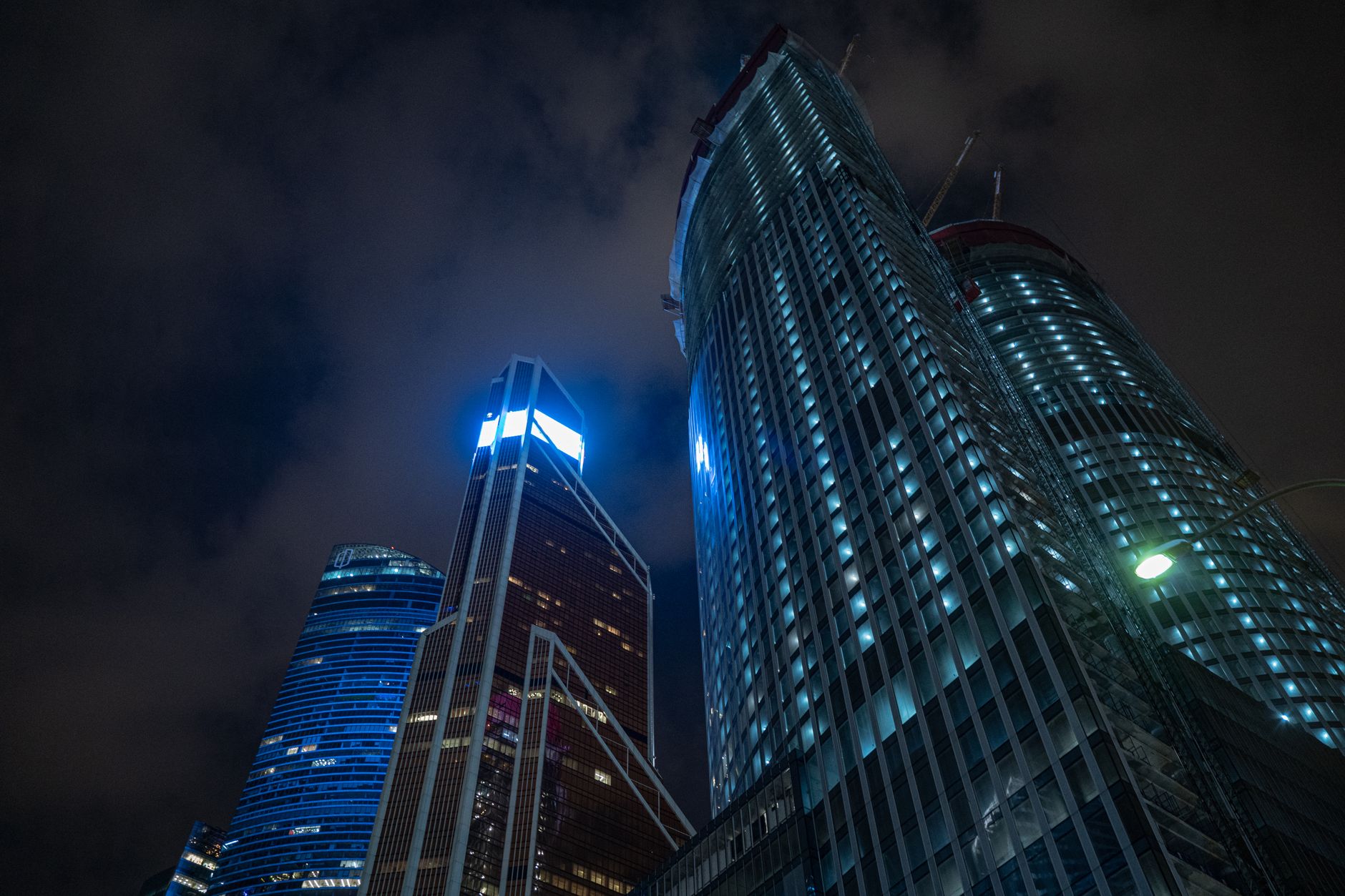
The original 2020 reveal trailer positioned Pragmata as a sci-fi action game with strong cinematic ambitions. The setting blended near-future urban decay with orbital station sequences, and the tone leaned hard into mystery. Capcom described it as a “new IP for the new generation” – which told players very little about mechanics but a great deal about intent. The implication was scale, seriousness, and something outside Capcom’s existing franchises like Resident Evil or Devil May Cry.
That positioning is precisely what makes the silence so frustrating. Pragmata was not announced as a small experimental title. It was presented as a major release, complete with a PS5 launch-era trailer placement that suggested confidence. Games announced with that kind of weight typically follow a cleaner promotional arc. When that arc goes dark, players start filling in gaps with other games – and Control fits the gap almost perfectly.
Why Control Keeps Coming Up
Control launched in 2019 and won critical praise for its blend of third-person action and SCP-adjacent horror. You play as Jesse Faden, who arrives at the Federal Bureau of Control searching for her brother and ends up becoming the Bureau’s director under circumstances that are, to put it mildly, unusual. The building itself – the Oldest House – shifts and warps. Objects become weapons. The lore runs deep and rewards players who read every document they find.
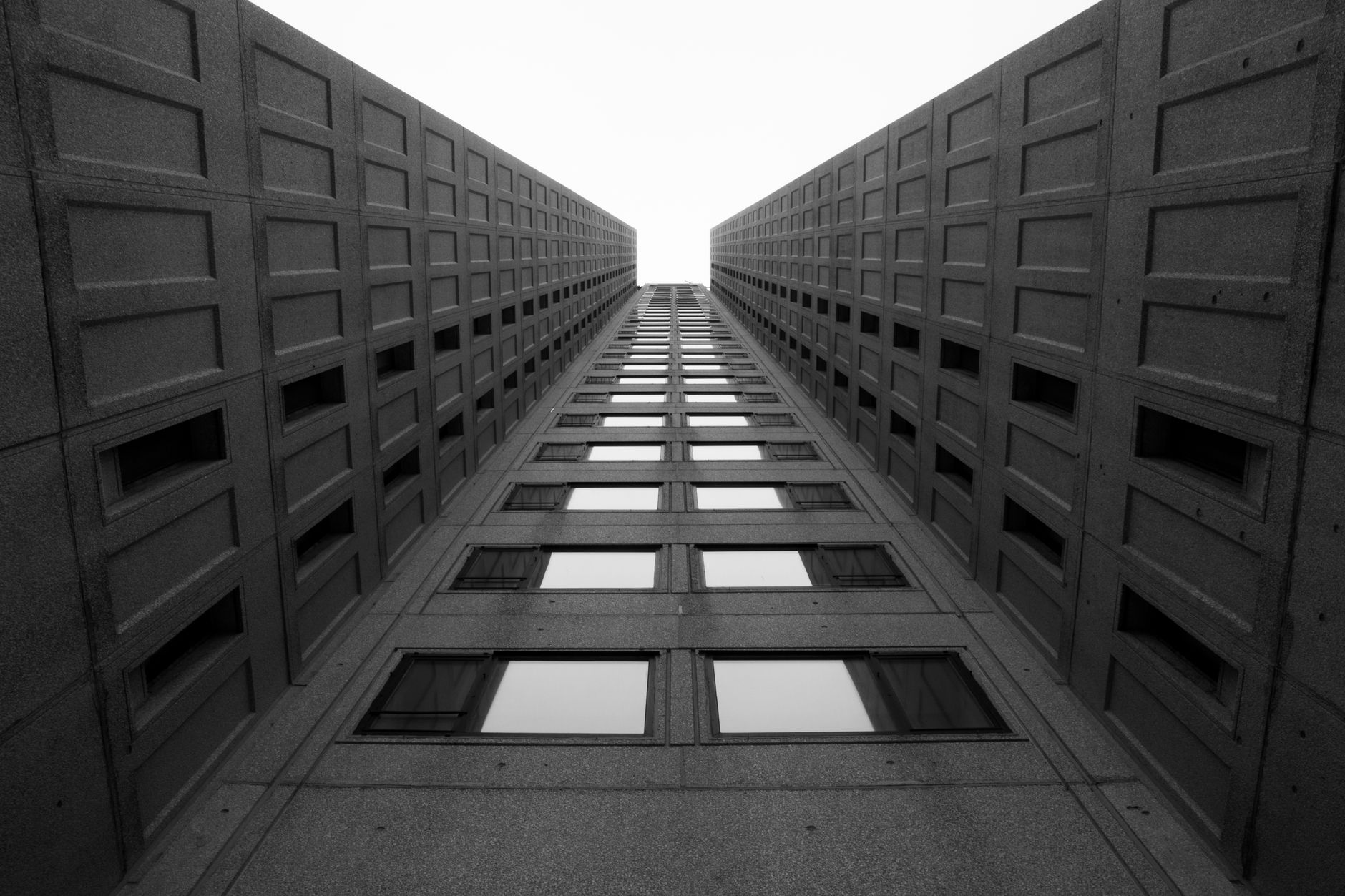
The Pragmata connection feels intuitive once you map it out. Both games feature a lone protagonist in an environment defined by forces she does not control. Both lean on atmosphere over exposition. Both use setting as a character – Pragmata’s moon-shadowed Tokyo and orbital station, Control’s brutalist federal nightmare. Players drawn to one tend to have instincts that align with the other.
There is also a tonal similarity around mystery maintenance. Control never fully explains everything, and that restraint is part of its appeal. Pragmata, from what little has been shown, appears to operate on the same principle – withhold enough that the player’s imagination does the heavy lifting. For a game that has been nearly invisible for years, Pragmata has done a remarkable job of keeping that imaginative investment alive, largely because people keep returning to games that remind them of what they are waiting for.
This pattern is not unique to Pragmata. When Atlus went quiet on Metaphor: ReFantazio DLC, players drifted back to Persona 5 in similar fashion – using a known quantity to hold space for an anticipated one. The behavior says something about how players relate to anticipation: they rarely just wait. They find analogues.
The Practicality of Going Back
Control is not a difficult game to revisit. The Ultimate Edition, which bundles in both DLC expansions – The Foundation and AWE – has been given away through PlayStation Plus and Epic Games Store multiple times. A significant portion of the current Pragmata fanbase likely already owns it without having finished it, or finished it and left the DLC untouched. The barrier to re-entry is almost zero.
The AWE expansion in particular has seen renewed attention, partly because it features Alan Wake and bridges directly into Remedy’s connected universe. For players who have since completed Alan Wake 2, going back to AWE as a prequel of sorts adds another layer. Control is a game that keeps accumulating context the more of Remedy’s library you consume – which makes returning to it feel productive rather than purely nostalgic.
What Capcom Could Learn From the Pattern
The fact that Pragmata’s absence is generating this kind of behavior is not necessarily a problem for Capcom – but it is a signal. Players are not abandoning the game or writing it off. They are keeping the flame lit by playing adjacent titles. That kind of sustained interest is valuable, and it is also fragile. A prolonged silence can curdle from intrigue into skepticism, and once skepticism sets in, no amount of atmospheric reveal trailers will fully reset expectations.
Capcom has successfully revived and repositioned major IPs before, and they clearly have the production capacity to deliver on ambitious projects. But Pragmata exists in a different category – a new IP without an established fanbase, sustained entirely by the goodwill generated by a single trailer and a lot of unanswered questions. That goodwill has a shelf life.

Right now, players are in Control’s Oldest House because it feels like a reasonable neighbor to wherever Pragmata is going. The moment Capcom shows more, that energy redirects instantly. But if the silence continues much longer, some of those players will simply stop redirecting at all – and Control will stop feeling like a placeholder and start feeling like the destination.
Frequently Asked Questions
What is Pragmata and when does it come out?
Pragmata is a sci-fi action game announced by Capcom in 2020. As of now, no official release date has been confirmed, and updates from Capcom have been minimal.
Why are Pragmata fans playing Control while they wait?
Control shares Pragmata’s tone of mystery, cinematic atmosphere, and a lone protagonist navigating a reality-bending environment, making it a natural game to revisit during the wait.