





When a Mobile Game Goes Quiet, Players Notice
Warcraft Rumble launched in late 2023 with considerable momentum – Blizzard’s first attempt at a real-time mobile strategy game set in the Warcraft universe, built around collectible minis and arcade-style combat. For a stretch, it felt like the company had finally cracked mobile. Then the updates slowed, the content cadence thinned out, and the community started going quiet in a way that mobile games rarely recover from gracefully.
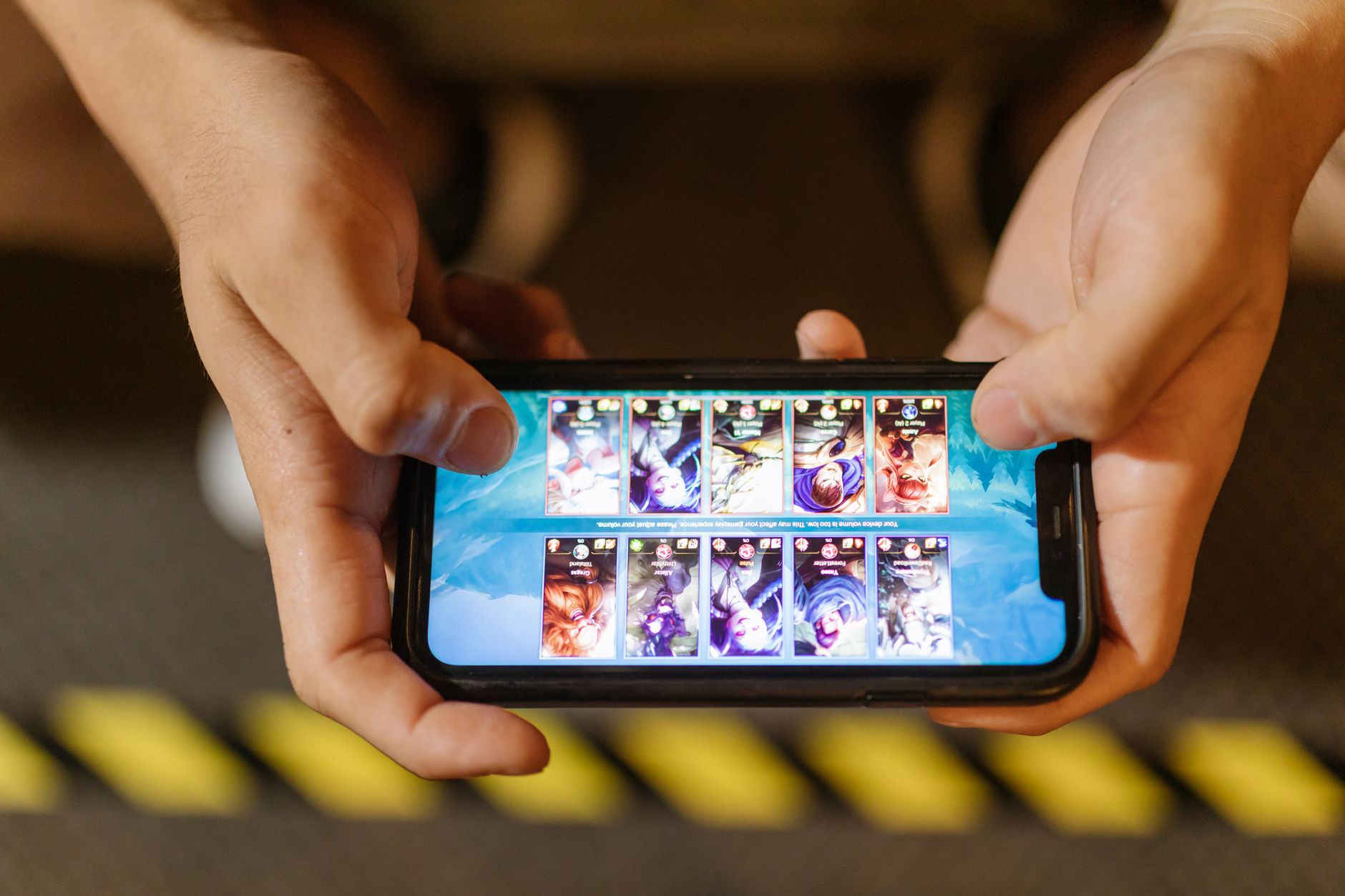
What’s happened since is worth paying attention to. Across Reddit threads, Discord servers, and app store review sections, a pattern has solidified: players who burned through Warcraft Rumble’s content and found nothing new waiting for them are migrating – not away from Blizzard entirely, but sideways, back toward Hearthstone. The older card game is picking up a very specific kind of returning player: one who already knows the Warcraft IP, already has a Blizzard account, and just needs somewhere to put their daily gaming habit.
The Content Drought Problem
Mobile games live and die by their update rhythm. A gap of even a few weeks without new content, a new season, or a fresh event can trigger what developers call “churn acceleration” – players don’t dramatically quit, they just quietly stop opening the app. Warcraft Rumble has been caught in exactly this cycle for months. The game received strong early support, but the pace of meaningful additions has not matched what players expected from a Blizzard property, especially one asking for ongoing financial investment through its shop.
The frustration isn’t just about boredom. Players who have spent real money on a mobile game develop a kind of loyalty contract with the developer – keep delivering, and I’ll keep engaging. When that contract breaks, players don’t necessarily want out of the ecosystem. They want somewhere else to put that same energy. Hearthstone, which Blizzard has continued to update aggressively with new expansions and seasonal modes, is the most obvious destination. It shares the same aesthetic language, the same lore, and the same account infrastructure.
Blizzard has not issued any formal communication about Warcraft Rumble’s content roadmap that would reassure the player base. No developer blog post, no livestream update, no community letter. That silence is doing active damage to retention, because in the absence of information, the default assumption is that the game is being deprioritized. Whether or not that’s true, perception is driving behavior.

Hearthstone Fills the Void
Hearthstone’s position here is almost accidental. The card game has had its own turbulent years – Activision Blizzard’s corporate restructuring, layoffs hitting the development team, and a player base that has periodically declared the game in decline. But Hearthstone has a durability that mobile-first games tend to lack, built on years of accumulated content, a competitive scene with genuine history, and a format that rewards returning players rather than punishing their absence with missed time-limited content.
Players coming back to Hearthstone from Warcraft Rumble are often surprised by how much content is accessible. Free-to-play tracks have expanded, solo adventures are still playable, and the core loop of building a deck and testing it in ranked play doesn’t require constant engagement to remain satisfying. That’s a structural advantage Hearthstone holds over most mobile competitors, including Blizzard’s own Rumble.
What Blizzard Is Actually Risking
The migration pattern itself isn’t bad news for Blizzard in the short term – revenue from Hearthstone is still Blizzard revenue. But Warcraft Rumble represented something strategically valuable: a mobile entry point for players who don’t engage with card games, pulling a different demographic into the Blizzard mobile ecosystem. Losing that differentiation, even temporarily, matters.
The players returning to Hearthstone are not the ones who were going to spend big in Warcraft Rumble long-term. The players who are gone for good – who deleted the app and moved to competing mobile games entirely – represent the real loss. Rumble’s silence isn’t just inconveniencing loyal fans; it’s handing retention wins to whatever game captures the “I need a Blizzard alternative” search result on the App Store this week.
This dynamic – where one title from a publisher cannibalizes interest from a struggling sibling title – is something the broader industry has seen play out before. Publishers with large catalogs regularly find that buzz around one release drains attention from adjacent titles, even when the audiences aren’t identical. Blizzard’s situation is slightly different because Hearthstone isn’t new, but the effect is similar: one game is absorbing energy that Warcraft Rumble generated and then failed to hold.

What makes this particularly uncomfortable for Blizzard is timing. Microsoft’s acquisition has meant ongoing scrutiny of every Blizzard product line’s performance, and mobile has been a specific area of focus for the combined company’s growth ambitions. A mobile game that quietly loses its active community while the studio says nothing publicly is a hard internal story to tell, regardless of how the accounting works out when those players land in Hearthstone instead. The question isn’t whether Blizzard can afford to let Warcraft Rumble drift – it’s whether they’ve already decided they can, and just haven’t told anyone yet.