




The Quiet Before the Storm
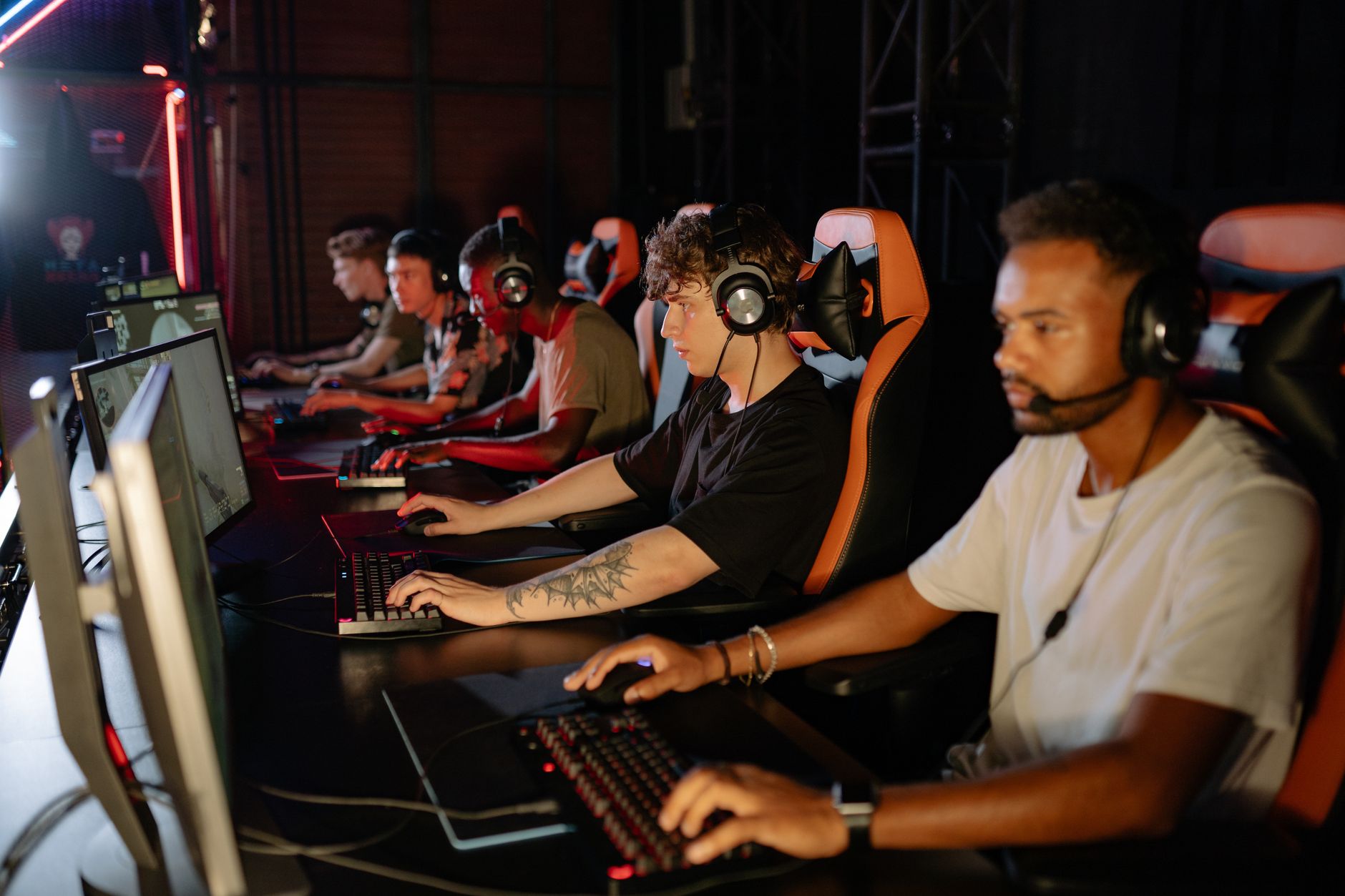
Bandai Namco has said almost nothing about the future of the Soul Calibur franchise, and that silence is doing something unexpected – it’s sending players back to Soul Calibur VI in droves. Online lobbies that had gone quiet over the past couple of years are filling back up, character select screens are getting picked over again, and the ranked matchmaking queue, once a barren wasteland of long wait times, is actually moving. The community didn’t need a trailer or an announcement. They just needed enough uncertainty to remind them what they already had.
This is the paradox of franchise silence: the longer a publisher stays quiet, the more the existing game starts to feel precious.
Soul Calibur VI launched in 2018 and received genuinely strong reviews for its combat depth, roster, and story mode. Post-launch support ran through 2020 with DLC characters and balance patches, then stopped. Since then, Bandai Namco has offered no roadmap, no sequel announcement, and no confirmation that the series is even continuing. What that silence has created, unintentionally or not, is a slow-burning revival built entirely on community energy and the fear of losing something before a replacement ever arrives.
Why the Lobbies Are Coming Back to Life
The catalyst isn’t hard to trace. Fighting game communities are particularly reactive to franchise uncertainty because the genre lives and dies on active player pools. When a sequel is confirmed and dated, a current game starts to empty out as players wait for the new thing. When there’s no sequel in sight, the calculus flips – veterans keep playing because there’s nowhere better to go, and returning players come back because the game still represents the most current version of the experience. Soul Calibur VI, with its full roster intact and servers still operational, is currently the only competitive Soul Calibur game you can actually play online.
Social media has accelerated the return. Clips of high-level Nightmare players, absurdly optimized Voldo setups, and comeback victories in Ranked have been circulating across fighting game communities on X and TikTok throughout the past several months. These clips aren’t being shared as nostalgia – they’re being posted as evidence that the game is still worth playing right now. That framing matters. It shifts Soul Calibur VI from “old game” to “active scene,” and that distinction drives reinstalls.
Community tournaments have followed. Several grassroots organizers have started running online bracket events specifically for Soul Calibur VI, and the entry numbers are higher than comparable events ran in 2022. The prize pools are modest, but the competition is real, and the stream viewership suggests there’s an audience hungry for high-level Soul Calibur content that Bandai Namco itself isn’t producing.
What Bandai Namco’s Silence Actually Signals
Reading publisher silence is an imprecise sport, but there are patterns worth paying attention to. Bandai Namco has been heavily focused on its Tekken brand since Tekken 8 launched in early 2024, and that game’s success likely absorbed significant internal resources and marketing attention. Soul Calibur, as a weapons-based fighter with a historically smaller competitive footprint than Tekken, may simply be waiting for a production window to open up. That’s not a cancellation – it’s a queue.
There’s also a business logic to letting the community rebuild organically. If Bandai Namco announces Soul Calibur VII with an active, vocal fanbase already demonstrating demand, the announcement lands with more momentum than if it drops into a dead scene. Whether the publisher is deliberately allowing this revival to build or simply hasn’t gotten around to saying anything, the outcome is the same: the community is doing the marketing work for free.
The Soul Calibur fanbase has been here before. The gap between Soul Calibur V in 2012 and Soul Calibur VI in 2018 was six years, during which many players assumed the series was finished. It wasn’t. That history gives current players a specific kind of patience – not resignation, but practiced endurance. They’ve waited out a long silence before and gotten a full game on the other side. The same dynamic is playing out now with other franchises where publisher silence sends players back to earlier entries, but the Soul Calibur case is particularly clean because the series has such a documented history of long gaps between releases.
A Scene That Doesn’t Need Permission
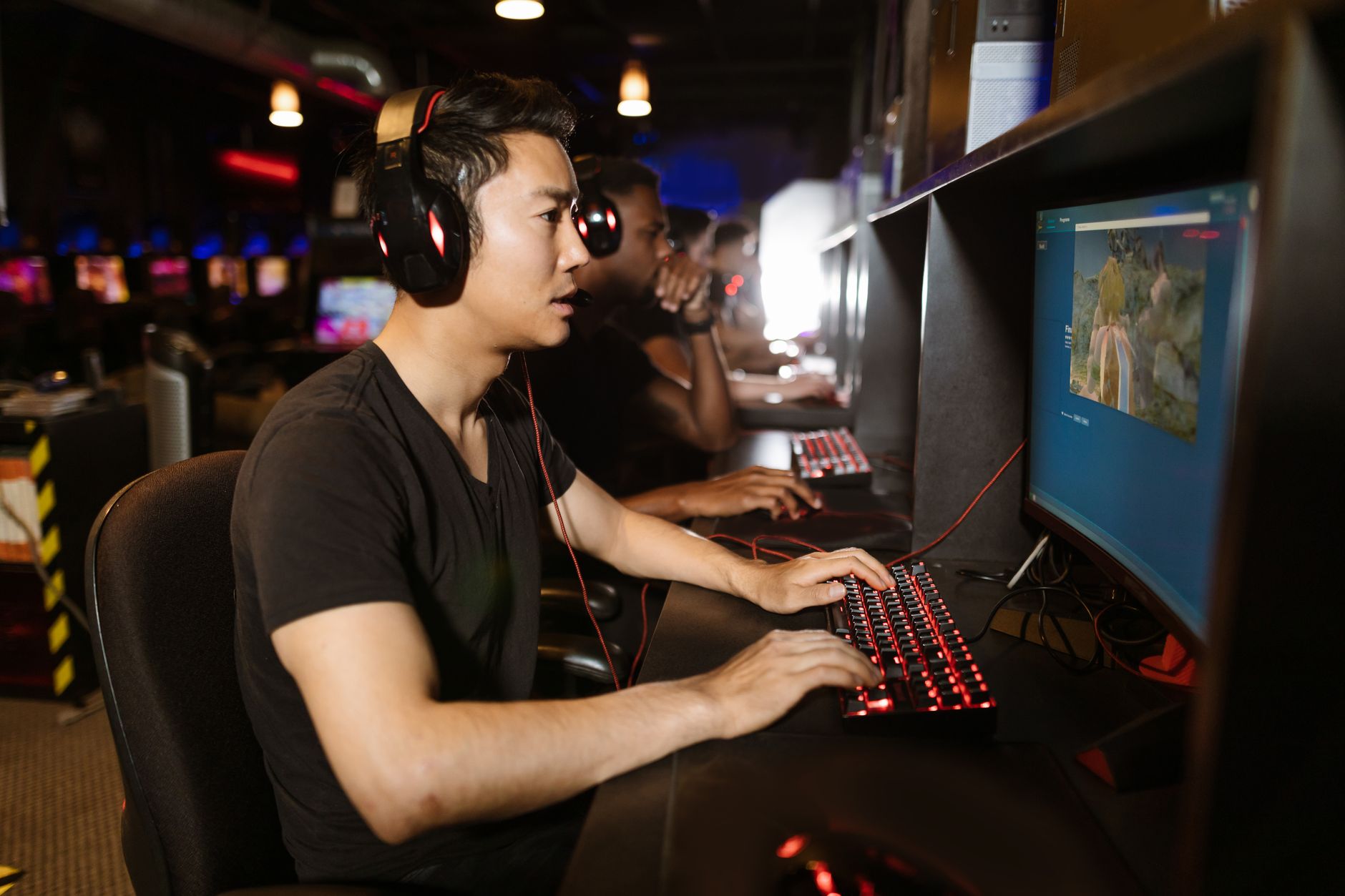
What’s happening in Soul Calibur VI right now is a community refusing to wait for instructions – players organizing their own events, creating their own content, and rebuilding an online scene without any promotional support from the publisher, on a game that stopped receiving patches four years ago, because the alternative is playing nothing at all while they wait for news that may or may not come.