




Opening: A New Game Is Making an Old Game Feel Irrelevant
2K Games dropped a trailer for Mafia: The Old Country and the gaming internet did something interesting – it quietly started ignoring Mafia: Definitive Edition. Not out of hostility, but out of anticipation. When a new entry in a beloved crime franchise arrives looking this polished, it recalibrates what players expect from the whole series. The Definitive Edition, a remake that launched in 2020 and earned genuine praise for its storytelling, is now collecting virtual dust on Steam libraries and console home screens.
The buzz around The Old Country is doing something specific: it’s pulling players forward instead of backward. Normally, a franchise announcement sends fans scrambling to replay older entries as a warm-up ritual. That’s not fully happening here. The Old Country’s Sicily setting, its prequel framing, and its visual identity feel distinct enough that the Definitive Edition doesn’t function as obvious prep material. Players aren’t booting up Tommy Angelo’s story to get ready. They’re just waiting.
1. The Old Country’s Visual Identity Is Too Different to Bridge
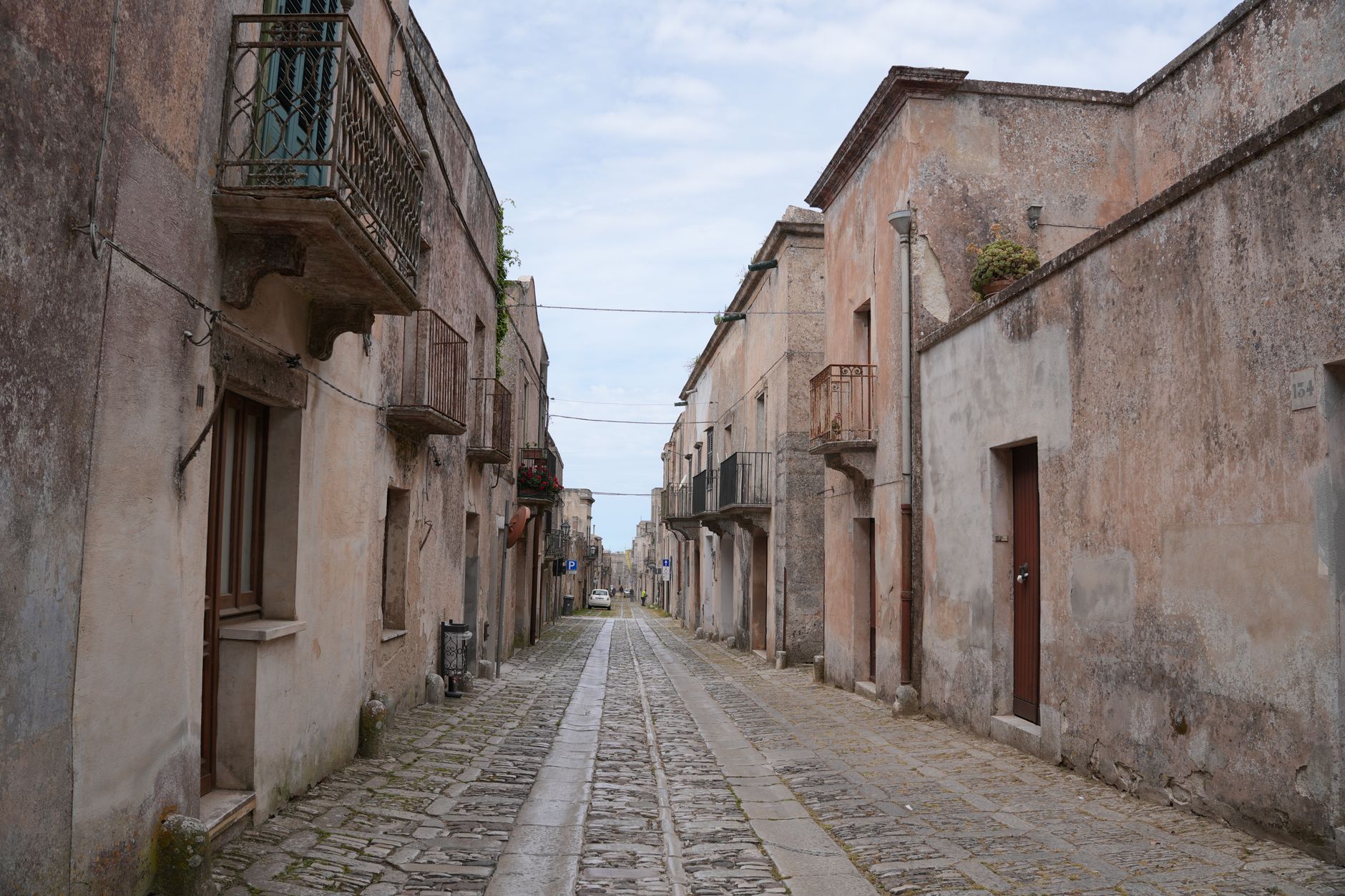
The Definitive Edition is a beautifully crafted version of a 2002 game. Its art direction leans into 1930s America with a kind of nostalgic warmth – wide streets, art deco architecture, a score that feels borrowed from golden-age Hollywood. The Old Country, set in early 20th century Sicily, looks operatic and sun-bleached by comparison. Dusty hillside villages, olive groves, stone courtyards – it’s a completely different visual grammar, and that gap is making the Definitive Edition feel like a different franchise entirely rather than a logical precursor.
When a sequel or prequel shares strong visual DNA with its predecessors, replaying older entries feels productive. Players absorb the world, reinforce the lore, and arrive at the new game already tuned in. The Old Country doesn’t offer that feedback loop. Its atmosphere is so stylistically removed from the Definitive Edition’s American backdrop that replaying Tommy’s story doesn’t prime anyone for what’s coming. The brain knows they’re related. The eyes aren’t convinced.
This isn’t a criticism of either game’s art direction – both choices are coherent on their own terms. But the absence of visual continuity breaks the motivation to replay. Gamers replay predecessors when it feels like homework that will pay off. Right now, the Definitive Edition feels like a different class entirely.
2. The Prequel Structure Removes Lore Dependency
Prequels, by design, don’t require prior knowledge to enjoy – and The Old Country is leaning hard into that independence. Set before the events of the original trilogy, it introduces characters and conflicts that exist entirely outside the narrative threads players followed in the Definitive Edition. There are no returning protagonists to refresh on, no plot points that need remembering, no callbacks that would reward someone who just finished replaying Tommy Angelo’s arc.
That structural independence is smart marketing for new players. It lowers the entry barrier and expands the potential audience. But for existing fans, it quietly removes one of the primary psychological motivations for a replay run. Fans replay games before sequels because continuity rewards them. Knowledge of past events pays dividends in new ones – an Easter egg lands harder, a character callback hits deeper, a recurring location feels earned. None of that mechanism applies when the new game is set generations earlier.

3. The Definitive Edition Already Peaked Its Replay Curve
When the Definitive Edition launched in 2020, it triggered its own substantial replay cycle. Players who had completed the original 2002 game went back to compare. New players discovered it fresh. The game sat comfortably in “recently completed” territory for a wide audience, which means its natural replay momentum already ran its course. Four-plus years is long enough for most players to have fully processed it and moved on mentally.
Replay motivation follows a curve. Right after completing a game, enthusiasm is highest. A year out, nostalgia can pull people back. But past a certain point – especially when no new DLC or updates are refreshing the experience – a game settles into the “I’ve already done that” category in a player’s mental library. The Old Country announcement isn’t arriving early enough in the Definitive Edition’s lifecycle to trigger a fresh wave of returns. The window largely closed.
4. The Old Country’s Tone Promises Something the Definitive Edition Can’t Deliver
The marketing for The Old Country is selling a specific emotional register – something rawer, more personal, and more rooted in cultural identity than the American-crime aesthetic of earlier entries. The Sicily setting isn’t just decorative. It carries weight about origins, family obligation, and the kind of violence that precedes institutions. That’s a tonally different promise than what the Definitive Edition offered.
Players who are excited about The Old Country’s emotional pitch aren’t going to scratch that itch by replaying Tommy Angelo’s story. The tonal gap means the Definitive Edition doesn’t function as a preview of what’s coming – it functions as a contrast. And contrasts don’t generate replay runs; they generate anticipation for the new thing. The buzz, then, isn’t reviving old saves. It’s emptying them.
5. Steam Wishlist Behavior Is Replacing the Replay Ritual
There’s a behavioral shift worth noting in how players engage with announcement cycles. Adding a game to a wishlist or following its store page has become the primary way people signal interest and manage anticipation. That action satisfies some of the same psychological need that a replay once served – it’s a way of committing to the franchise, of saying “I’m in.” But it doesn’t require picking up a controller for something that came out four years ago.
The Definitive Edition’s replay numbers would tell a story if 2K made them public, but the Steam review activity and forum engagement around the game has stayed notably flat since The Old Country was announced. Compare that to franchises where a new entry announcement sends fans back into previous games – the Suikoden pattern is a clear example of how silence or mystery around a beloved series can actually drive more nostalgic replays than a full reveal does. Knowing too much about what’s coming kills the need to revisit what came before.
6. The Old Country Looks Finished Enough to Skip the Wait
Some game announcements feel like distant promises – conceptual trailers, vague release windows, years of development still ahead. The Old Country doesn’t read that way. The footage looks production-ready. The setting is rendered with the kind of detail that suggests a release window is real and close. That perception of nearness changes player behavior: when the new game feels imminent, starting a full Definitive Edition replay feels like poor timing rather than good preparation.
A 10-to-12-hour replay of the Definitive Edition is a commitment. Players mentally calculate whether they’ll finish before The Old Country arrives – and if the answer feels uncertain, many skip the replay entirely. The closer a new release feels, the more the predecessor becomes a risk rather than a warm-up. Nobody wants to be mid-replay when the thing they actually want drops.
7. The Old Country Is Defining What Mafia Means Going Forward
Franchise identity isn’t static. Each new entry redefines what the series stands for in the cultural imagination. The Old Country’s Sicily setting, its prequel scope, and its apparent emphasis on origins and mythology are reframing Mafia as a franchise willing to move geographically and historically rather than staying locked in American crime fiction. That’s a meaningful reorientation.
When players think “Mafia” in the coming months, the image in their head will increasingly be sun-drenched Sicily rather than the rain-soaked streets of Lost Heaven. The Definitive Edition doesn’t become a worse game because of this – it remains exactly what it always was. But it does become less central to the franchise’s evolving identity. And games that feel peripheral to where a series is heading don’t generate strong replay motivation, regardless of their individual quality.
The Definitive Edition won’t disappear from anyone’s appreciation. But right now, the version of Mafia that matters to the conversation is the one nobody has played yet – and that’s a situation the Definitive Edition has no way to compete with until The Old Country either delivers or stumbles on its own merits.
Frequently Asked Questions
Is Mafia The Old Country a sequel or prequel to Mafia Definitive Edition?
Mafia: The Old Country is a prequel set in early 20th century Sicily, predating the events of the entire Mafia trilogy including the Definitive Edition.
Do I need to play Mafia Definitive Edition before The Old Country?
No. The Old Country’s prequel structure makes it an independent entry, so no prior knowledge of the trilogy is required to follow its story.