


The next frontier in wearable health technology isn’t another optical sensor or accelerometer. It’s sound waves you can’t hear, bouncing through your body to reveal vital signs that were once impossible to track from your wrist. Major smartwatch manufacturers are quietly integrating ultrasonic sensors into their latest devices, promising to revolutionize how we monitor everything from blood pressure to hydration levels without the need for additional equipment or invasive procedures.
This shift represents the most significant advancement in wearable health monitoring since Apple introduced heart rate tracking to mainstream smartwatches nearly a decade ago. Unlike traditional optical sensors that rely on light penetration through skin, ultrasonic technology uses high-frequency sound waves to penetrate deeper into tissue, providing more accurate readings and access to previously unmeasurable health metrics.

The Science Behind Ultrasonic Health Monitoring
Ultrasonic health sensors work by emitting sound waves at frequencies typically between 1-20 MHz, far above human hearing range. These waves travel through skin, muscle, and blood vessels, bouncing back to create detailed internal maps of tissue density, fluid levels, and cardiovascular activity. The returning echoes are processed by advanced algorithms that can identify specific health indicators with remarkable precision.
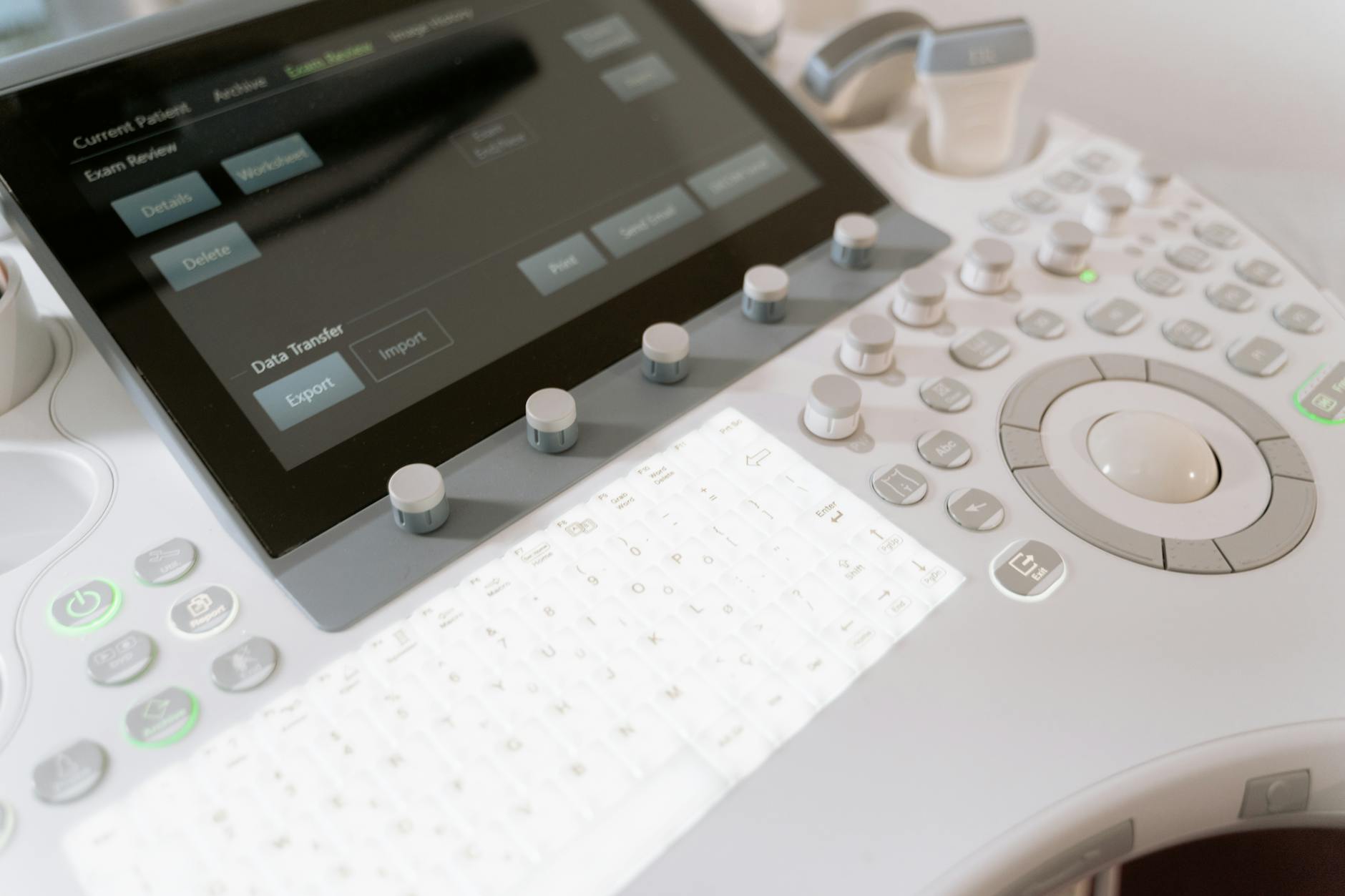
The technology builds on decades of medical ultrasound innovation, but miniaturized for consumer wearables. Where hospital ultrasound machines require bulky transducers and gel interfaces, smartwatch ultrasonic sensors use micro-electromechanical systems (MEMS) technology to create compact, dry-contact sensors that work seamlessly against bare skin.
Samsung’s latest Galaxy Watch series reportedly incorporates ultrasonic sensors capable of measuring arterial wall thickness and blood flow velocity. These measurements provide insights into cardiovascular health that go far beyond simple pulse detection. The sensors can identify arterial stiffness, a key indicator of heart disease risk, and track changes in vascular health over time.
Garmin has integrated similar technology into their high-end fitness watches, focusing on hydration monitoring. Their ultrasonic sensors can detect changes in tissue density that correlate with hydration levels, providing real-time feedback on fluid balance during exercise. This capability addresses a critical gap in fitness tracking, as dehydration significantly impacts athletic performance and recovery.
Beyond Heart Rate: New Health Metrics Unlocked
The addition of ultrasonic sensors opens doors to health monitoring capabilities that were previously exclusive to clinical settings. Blood pressure measurement, long considered the holy grail of wearable health tech, becomes feasible through ultrasonic pulse wave velocity measurements. By tracking how quickly pressure waves travel through arteries, these sensors can estimate blood pressure with accuracy approaching traditional cuff-based monitors.
Body composition analysis represents another breakthrough application. Ultrasonic sensors can differentiate between muscle, fat, and bone tissue, providing more accurate body composition data than bioelectrical impedance methods used in current fitness trackers. This technology enables precise tracking of muscle gain and fat loss during fitness programs, offering insights that simple weight measurements cannot provide.
Sleep monitoring benefits significantly from ultrasonic enhancement. These sensors can detect minute movements in blood vessels and airways that indicate sleep stages, breathing patterns, and potential sleep disorders. Combined with traditional accelerometer data, ultrasonic sensors create comprehensive sleep profiles that rival dedicated sleep study equipment.
The technology also enables continuous glucose monitoring without the need for separate devices or needle-based sensors, as explored in recent developments with non-invasive glucose monitoring. Ultrasonic waves can detect changes in tissue properties that correlate with blood sugar levels, potentially transforming diabetes management through seamless, continuous tracking.
Technical Challenges and Current Limitations
Despite their promise, ultrasonic health sensors face significant technical hurdles. Power consumption remains a primary concern, as ultrasonic transducers require more energy than optical sensors. Current implementations limit continuous monitoring to preserve battery life, typically activating sensors for brief measurement periods rather than constant tracking.
Signal interference poses another challenge. Body hair, skin moisture, and movement artifacts can disrupt ultrasonic wave propagation, affecting measurement accuracy. Manufacturers are addressing this through improved sensor design and advanced signal processing algorithms, but consistent performance across diverse user populations remains elusive.
Regulatory approval adds complexity to deployment. While fitness tracking features face minimal regulatory oversight, health monitoring capabilities that provide medical-grade measurements must navigate FDA approval processes. This regulatory landscape varies globally, creating challenges for manufacturers seeking worldwide product launches.
Cost considerations also influence adoption. Ultrasonic sensors add significant manufacturing expenses compared to basic optical sensors. Premium smartwatches can absorb these costs, but bringing ultrasonic health monitoring to mainstream price points requires continued technological advancement and manufacturing scale.
Industry Adoption and Future Developments
Apple’s approach to ultrasonic integration remains characteristically secretive, but patent filings suggest significant investment in the technology. Recent patents describe ultrasonic systems for measuring blood pressure, body temperature, and respiratory rate. Industry analysts expect Apple to introduce ultrasonic health monitoring in future Apple Watch generations, potentially as early as the next major release cycle.
Fitbit, now under Google’s ownership, has demonstrated ultrasonic prototypes focused on stress monitoring and mental health applications. Their research explores how ultrasonic measurements of heart rate variability and vascular responses can indicate stress levels and emotional states with greater accuracy than current methods.

The competitive landscape extends beyond traditional wearable manufacturers. Medical device companies are partnering with tech giants to bring clinical-grade ultrasonic monitoring to consumer devices. These collaborations aim to bridge the gap between fitness tracking and medical monitoring, creating devices that serve both wellness and healthcare applications.
Standardization efforts are underway to ensure compatibility and accuracy across different ultrasonic implementations. Industry groups are developing testing protocols and measurement standards that will enable meaningful comparisons between devices and ensure consistent user experiences.
As ultrasonic health monitoring matures, we’re approaching an era where smartwatches will provide medical-grade health insights previously available only through doctor visits or specialized equipment. The next generation of wearables won’t just track your steps or heart rate – they’ll offer comprehensive health assessments that could revolutionize preventive medicine and early disease detection. The question isn’t whether ultrasonic health monitoring will become standard in smartwatches, but how quickly manufacturers can overcome current limitations and bring this transformative technology to mainstream consumers.
Frequently Asked Questions
How do ultrasonic sensors in smartwatches work?
They emit high-frequency sound waves through tissue and analyze returning echoes to measure internal health metrics like blood pressure and hydration levels.
Which smartwatches currently have ultrasonic health monitoring?
Samsung Galaxy Watch series and high-end Garmin fitness watches have integrated ultrasonic sensors, with Apple expected to follow in future releases.
