


Pick up any flagship smartphone released in the past two years, and you’ll likely find something that would have been unthinkable just a few years ago: a dedicated macro lens capable of capturing intricate details from objects just inches away. What started as a novelty feature on budget phones has rapidly evolved into a standard offering across nearly every price segment, fundamentally changing how we document the world around us.
The shift represents more than just another camera bump on our devices. Macro photography, once the exclusive domain of professional photographers with expensive equipment, has become democratized through smartphone innovation. Major manufacturers like Samsung, Apple, Xiaomi, and OnePlus have invested heavily in miniaturizing the complex optics required for extreme close-up photography, making it accessible to billions of users worldwide.
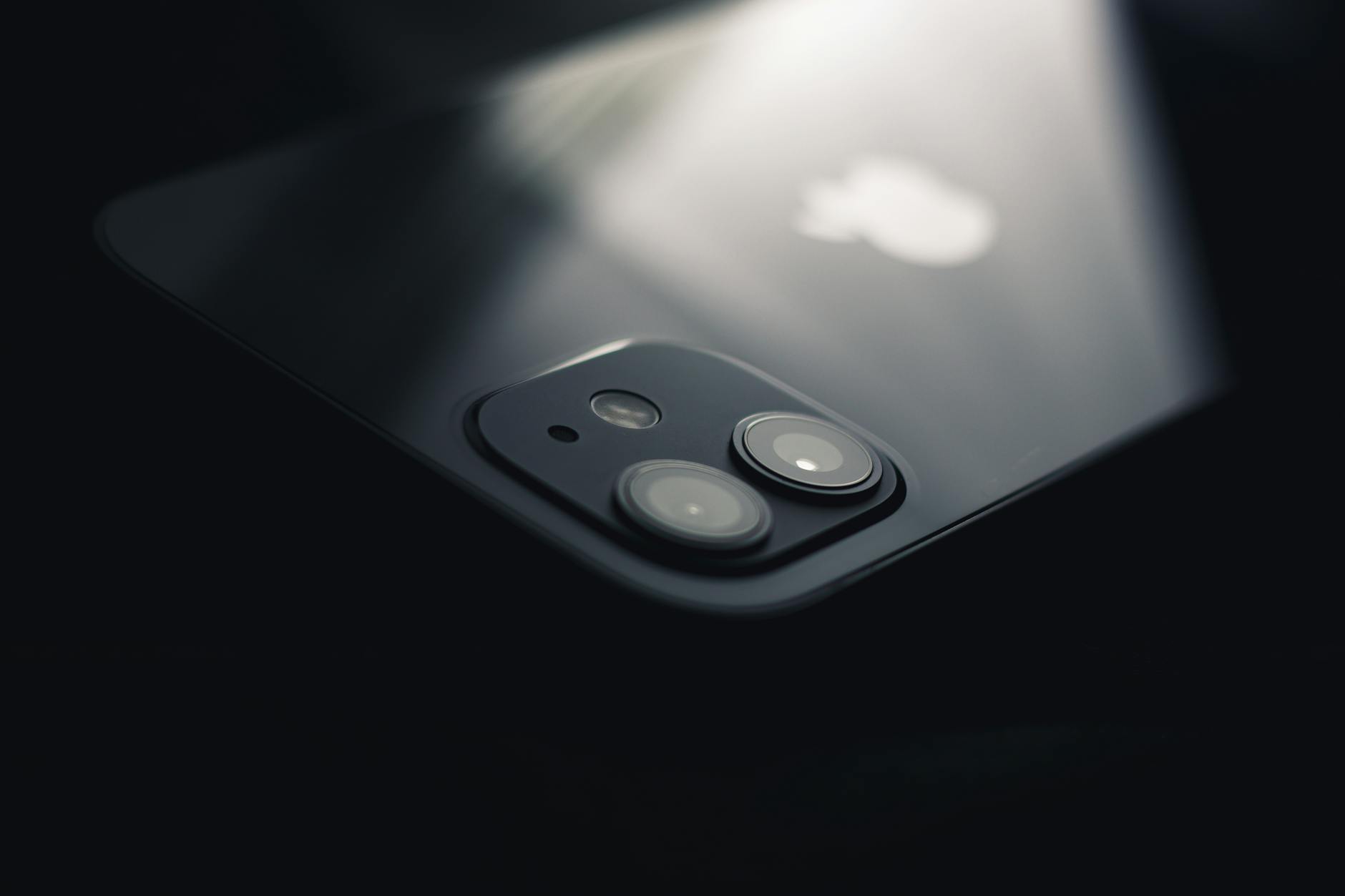
The Technical Challenge of Miniature Macro
Creating a macro lens small enough to fit inside a smartphone presents unique engineering challenges. Traditional macro lenses for cameras are often bulky, requiring precise focusing mechanisms and specialized glass elements to achieve sharp images at close distances. Smartphone manufacturers have had to completely reimagine this technology for mobile form factors.
The breakthrough came through advances in computational photography and multi-element lens design. Modern smartphone macro lenses typically feature focal lengths between 13mm and 25mm, allowing them to focus on subjects as close as 2-4 centimeters. This requires extremely precise autofocus systems and sophisticated image processing to compensate for the shallow depth of field inherent in macro photography.
Samsung’s approach with their Galaxy S series demonstrates this evolution clearly. Their latest macro implementations combine hardware improvements with AI-powered image enhancement, automatically adjusting focus stacking and exposure to create images that rival dedicated camera equipment. The company reports that macro photography usage among their users has increased by over 300% since introducing improved macro capabilities in 2022.
Apple took a different approach with the iPhone 13 Pro series, integrating macro functionality directly into their ultra-wide camera system rather than adding a separate lens. This solution allows for higher resolution macro images while maintaining the phone’s sleek profile, though it requires more sophisticated software processing to achieve optimal results.
Beyond Flowers: Real-World Applications Drive Adoption
While early macro smartphone photography was often dismissed as a gimmick useful only for photographing flowers and insects, real-world usage patterns tell a different story. Data from major smartphone manufacturers shows macro features being used for practical applications far beyond artistic photography.
Small business owners and craftspeople have embraced macro capabilities for product photography. Jewelry makers, artists, and collectors use their phones to document fine details for online marketplaces and social media. The ability to capture crisp images of textures, engravings, and small-scale work has eliminated the need for many to invest in professional photography equipment.

Educational applications have also driven significant adoption. Teachers and students use macro photography to explore everything from leaf structures to circuit board components. Science educators report that the accessibility of macro photography through smartphones has enhanced hands-on learning experiences, allowing students to document and share microscopic details that were previously difficult to capture.
The medical and professional inspection fields have taken notice as well. While not replacing professional equipment, smartphone macro capabilities provide convenient preliminary documentation for various inspection tasks. Dermatologists have noted patients using macro photography to track skin conditions, though they emphasize such images should never replace professional medical evaluation.
Social Media Fuels the Macro Movement
Social media platforms have played a crucial role in popularizing macro photography among smartphone users. Instagram and TikTok have seen explosive growth in macro photography content, with hashtags like #macrophotography and #closeupcapture generating millions of posts.
The visual impact of macro images performs exceptionally well on social media algorithms. Close-up shots of everyday objects reveal unexpected patterns, textures, and colors that capture viewer attention more effectively than traditional photography. This engagement has created a feedback loop, encouraging more users to experiment with their phone’s macro capabilities and pushing manufacturers to continue improving the technology.
Content creators have developed entirely new genres around smartphone macro photography. Time-lapse videos of plants growing, extreme close-ups of cooking processes, and detailed texture studies have become popular content categories. These creators often achieve professional-looking results using only their smartphones, demonstrating the technology’s maturation.
The rise of macro photography has also intersected with advances in camera technology improvements across the smartphone industry, as manufacturers continue pushing the boundaries of what’s possible in mobile photography.
Technical Innovation Continues to Evolve
Current macro lens technology is just the beginning of what manufacturers envision for close-up smartphone photography. Research and development teams are working on several breakthrough technologies that could further enhance macro capabilities.
Variable aperture systems specifically designed for macro photography are in development, allowing users to control depth of field more precisely when shooting close-up subjects. Periscope lens technology, already used for telephoto capabilities, is being adapted for macro applications, potentially allowing even closer focusing distances without compromising image quality.
Computational photography continues to play an increasingly important role. Advanced focus stacking algorithms can now combine multiple images captured at different focus points to create macro photographs with extended depth of field. Real-time HDR processing optimized for macro subjects helps manage the challenging lighting conditions often encountered in close-up photography.
Integration with AI and machine learning is opening new possibilities for automated macro photography. Smart scene recognition can automatically optimize camera settings for different types of macro subjects, while AI-powered stabilization helps compensate for the increased camera shake that affects close-up photography.
As smartphone camera technology continues advancing rapidly, with foldable devices creating new form factors for photography, macro capabilities are expected to become even more sophisticated. Industry analysts predict that future developments will include true microscopic magnification capabilities, potentially reaching magnification levels that currently require dedicated laboratory equipment. The convergence of improved optics, computational power, and user demand suggests that macro photography will remain a key differentiator in the competitive smartphone market for years to come.
Frequently Asked Questions
What can you photograph with smartphone macro lenses?
Smartphone macro lenses excel at capturing flowers, insects, jewelry, textures, small objects, and detailed close-ups from 2-4 centimeters away.
How close can smartphone macro lenses focus?
Most smartphone macro lenses can focus on subjects as close as 2-4 centimeters, allowing detailed photography of very small objects and textures.
