





Package thieves struck 260 million times in 2023, making porch piracy the fastest-growing property crime in America. Smart home security companies are racing to solve this $12 billion problem with specialized theft prevention technology that goes far beyond traditional doorbell cameras.
Ring, Nest, Arlo and other major brands are rolling out dedicated package protection features as retailers and delivery services demand better solutions. The surge in e-commerce shopping, accelerated by pandemic lockdowns, created an unprecedented target-rich environment for thieves who can spot delivery trucks from blocks away and swoop in within minutes.
Traditional security cameras captured plenty of footage but did little to actually prevent theft. Now companies are building proactive deterrent systems specifically designed to catch package thieves in the act and stop them before they can grab deliveries.
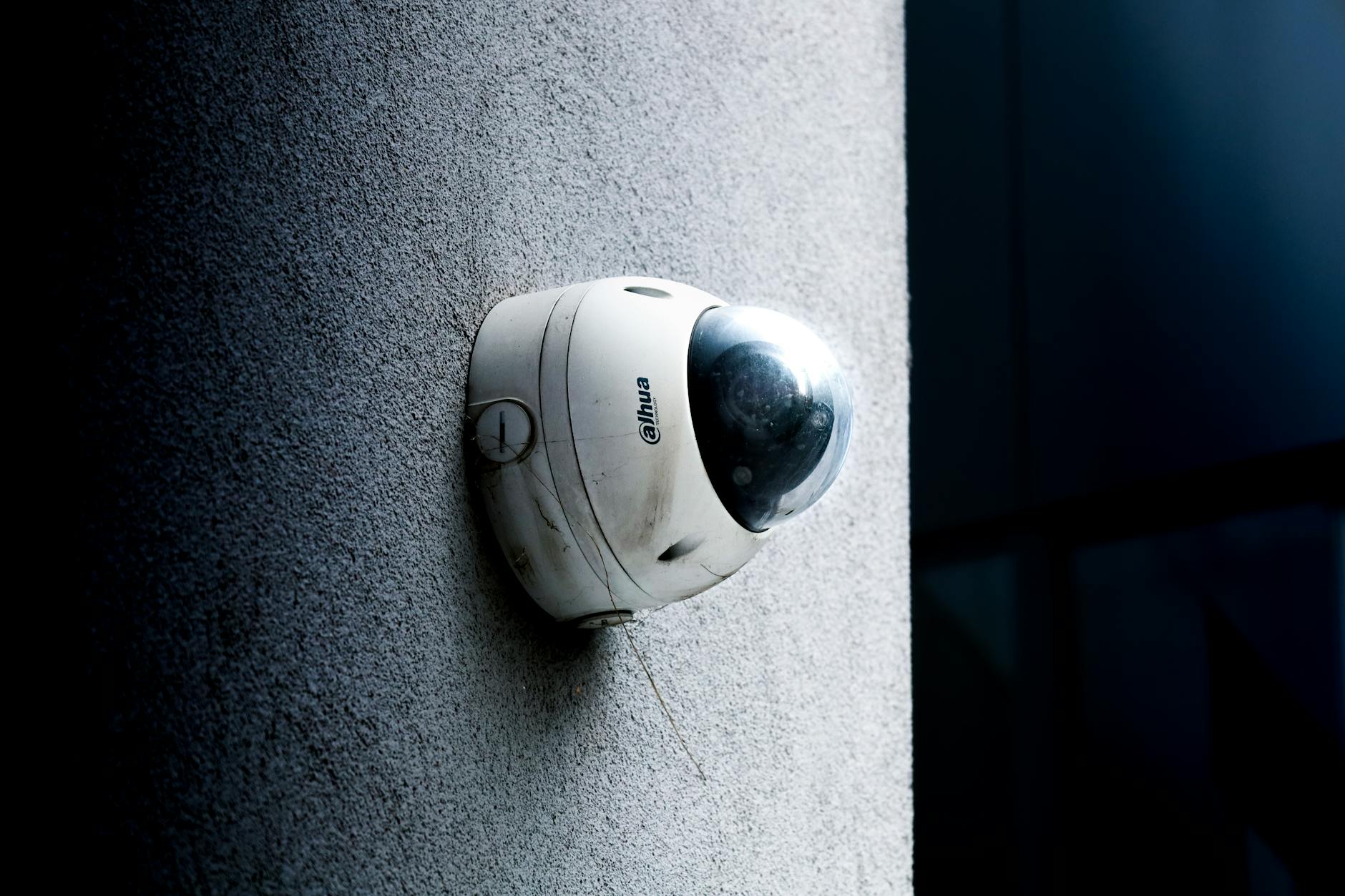
Real-Time Alerts and AI Detection Systems
Modern smart security systems use artificial intelligence to distinguish between delivery drivers and potential thieves. Ring’s latest Package Alert feature can identify when a package is delivered, then monitor that specific area for suspicious activity. If someone approaches the package who isn’t a household member, the system immediately sends alerts to homeowners.
Google Nest cameras now include “familiar face” recognition that learns to identify regular delivery drivers while flagging unknown individuals who linger near doorways. Arlo’s package detection technology can differentiate between a quick delivery drop-off and someone spending time examining packages on a porch.
These AI-powered systems analyze movement patterns, dwell time, and behavioral cues that human monitoring might miss. A delivery driver typically approaches quickly, places the package, and leaves within 30-60 seconds. Package thieves often survey the area, look around nervously, and move more cautiously – patterns the AI can recognize and flag instantly.
The sophistication extends to time-based monitoring. Systems can automatically increase sensitivity during typical delivery hours while reducing false alerts from neighbors, pets, or routine foot traffic during off-peak times.
Two-Way Communication and Active Deterrence
Security companies discovered that passive recording wasn’t enough – active intervention works better. Most new package protection systems include two-way audio that lets homeowners or monitoring services speak directly to people on their property in real-time.
Ring’s Quick Replies feature lets users send pre-recorded messages like “We see you – please leave our packages alone” or “Police have been notified” with a single tap. Some systems include customizable automated warnings that trigger when motion is detected near delivered packages.
Arlo takes this further with built-in sirens and spotlights that activate automatically when package theft is detected. The loud alarm and bright lights often send thieves running before they can grab anything. SimpliSafe’s outdoor cameras include red and blue flashing lights designed to mimic police presence.
Several companies now offer virtual monitoring services where trained operators can intervene in real-time. When the system detects suspicious package activity, a human operator can immediately speak through the camera’s speaker to confront potential thieves directly. This human element often proves more effective than automated warnings.
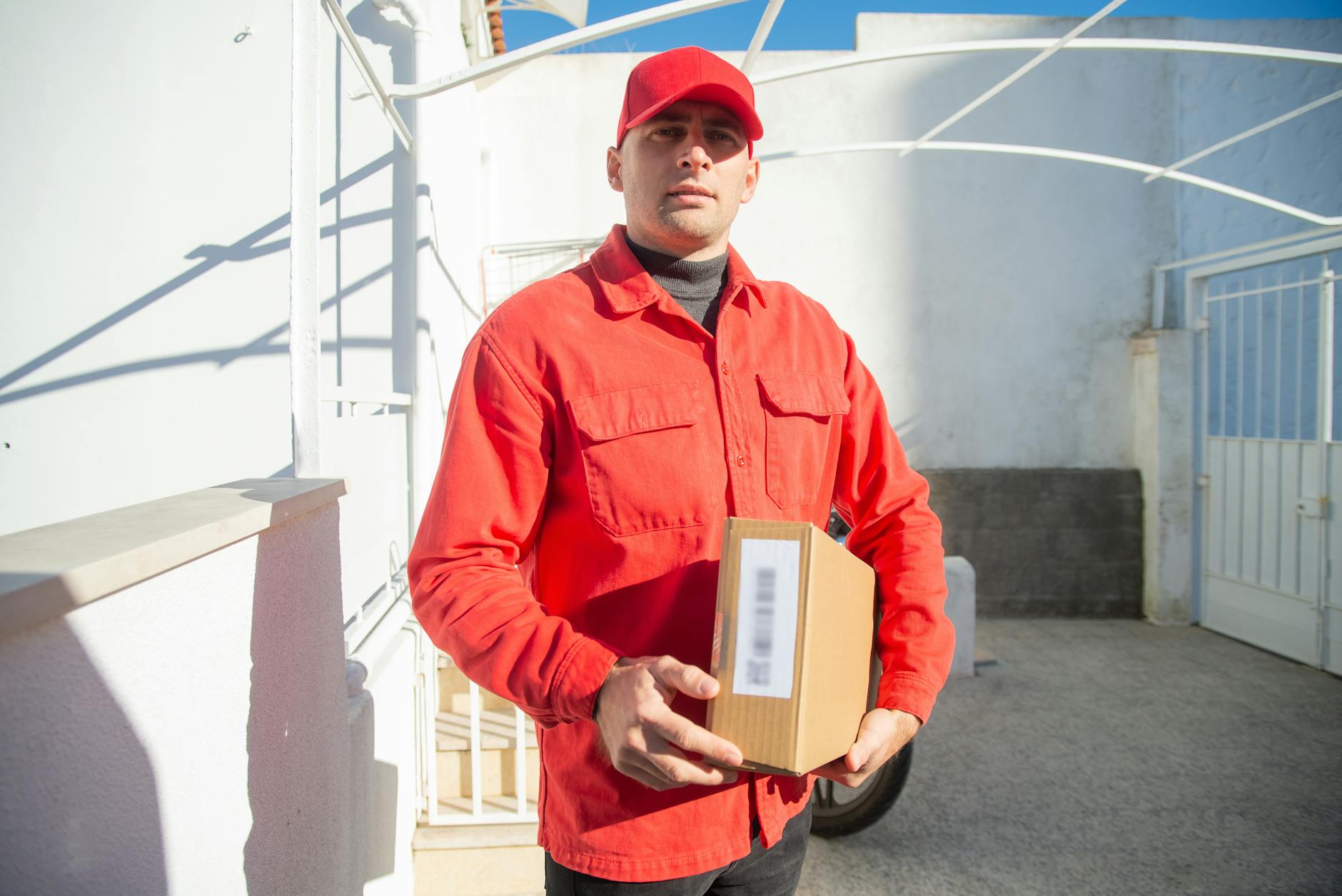
Integration with Delivery Services and Smart Locks
Package protection is becoming a ecosystem play involving delivery companies, smart lock manufacturers, and security providers. Amazon’s Key service lets delivery drivers place packages inside homes or garages using temporary access codes, eliminating porch exposure entirely.
UPS and FedEx are partnering with security companies to provide delivery confirmation through connected cameras. When drivers scan packages, the security system automatically begins monitoring that location with heightened sensitivity. Some services now include photo confirmation showing exactly where packages were placed.
Smart lock integration allows trusted delivery services to access secure storage areas. Yale, August, and other lock manufacturers offer delivery-specific access codes that work only during designated time windows. The security system documents each entry and exit while keeping packages safely inside.
Garage door integration represents another growing trend. MyQ smart garage systems can provide delivery drivers temporary access to garage spaces, keeping packages completely hidden from potential thieves. The security system monitors the entire process and sends confirmation when packages are safely stored.
Ring’s partnership with ADT creates professional monitoring specifically for package deliveries. When high-value items are expected, homeowners can activate enhanced monitoring that includes human oversight and police dispatch if theft is detected.
Package-Specific Storage Solutions
Security companies are also developing dedicated package storage that integrates with their monitoring systems. Ring’s Mailbox Sensor can detect when packages are placed in secure delivery boxes and alert homeowners immediately. The system continues monitoring until packages are retrieved by residents.
Smart package boxes from companies like BoxLock and Yale include built-in cameras and locks that delivery drivers can access through mobile apps. These boxes integrate with existing security systems to provide comprehensive package protection from delivery to retrieval.

The Future of Package Protection Technology
The next generation of package security is moving toward predictive protection. Companies are developing systems that can identify delivery trucks approaching and automatically adjust security settings before packages are even delivered. This proactive approach ensures maximum monitoring coverage during vulnerable moments.
Facial recognition technology, while controversial, is being tested to create databases of known package thieves. Some systems can identify repeat offenders and immediately alert both homeowners and law enforcement when these individuals approach properties.
Integration with neighborhood security networks is expanding rapidly. Ring’s Neighbors app and similar platforms let users share package theft alerts with nearby homes, creating community-wide awareness when thieves are active in specific areas. This crowdsourced approach helps identify theft patterns and suspicious individuals across entire neighborhoods.
The smart home security industry expects package protection to become a standard feature rather than an add-on service. As online shopping continues growing and delivery volumes increase, theft prevention technology will likely become as common as basic motion detection in residential security systems.
With package theft showing no signs of slowing down, security companies are positioning these specialized features as essential rather than optional. The race to develop more effective deterrent technology continues as thieves adapt their methods and homeowners demand better protection for their deliveries.
Frequently Asked Questions
How do smart security systems detect package theft?
They use AI to identify suspicious behavior patterns and distinguish between delivery drivers and potential thieves through movement analysis and dwell time monitoring.
Can smart home security actively prevent package theft?
Yes, modern systems include two-way audio, sirens, spotlights, and real-time human monitoring to actively deter thieves rather than just recording incidents.