




GameStop stores across America can’t keep retro gaming handhelds on their shelves. The Anbernic RG35XX flies off the rack within hours of restocking, while Steam Decks sit untouched for weeks. Best Buy reports similar patterns: devices that play decades-old games outsell cutting-edge portable consoles by margins that surprise even veteran retail managers.
This phenomenon defies conventional gaming wisdom. Modern handhelds pack processing power that would have powered entire arcade cabinets in the 1990s. Yet consumers increasingly choose devices that struggle to run anything newer than PlayStation 1 games. The numbers tell a compelling story about what gamers actually want versus what the industry thinks they need.
The Nostalgia Economy Drives Real Sales
Retro gaming handhelds tapped into something modern consoles missed entirely: emotional connection. The Miyoo Mini, priced under $60, outsold the Steam Deck during several quarters in 2023, according to retail tracking data from NPD Group. Consumers don’t just buy these devices for games – they buy memories.
“I can play every Game Boy title I owned as a kid, plus hundreds I never got to try,” explains Sarah Chen, a software engineer from Portland who owns three different retro handhelds. “My Steam Deck has incredible graphics, but I rarely turn it on. There’s something magical about revisiting Metroid or Castlevania on a device that feels like it could have existed back then.”
The psychology runs deeper than simple nostalgia. Retro games were designed around instant gratification and clear progression systems. Players could understand mechanics within seconds, master them within minutes, and complete entire games during a lunch break. Modern titles demand dozens of hours for tutorial sections alone. For time-pressed adults, the appeal becomes obvious.
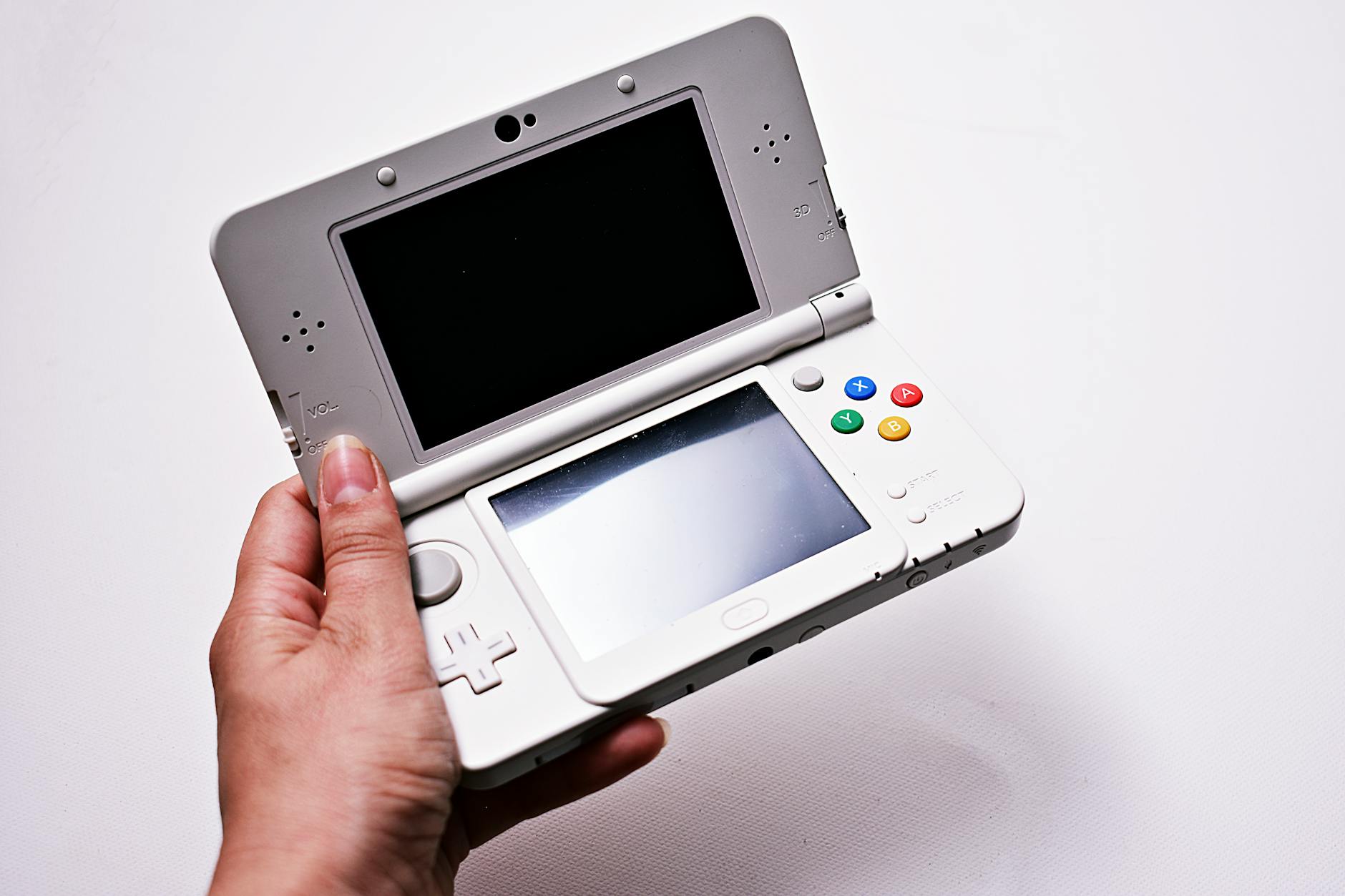
Manufacturing companies like Anbernic, Powkiddy, and Retroid Pocket have capitalized on this demand with surgical precision. They produce devices that look and feel authentic – complete with chunky D-pads, satisfying button clicks, and screens that mimic the aspect ratios of original systems. The aesthetic matters as much as the functionality.
Technical Simplicity Beats Raw Power
Modern portable gaming suffers from complexity overload. The Steam Deck requires regular software updates, driver installations, and compatibility troubleshooting. Many users spend more time configuring games than playing them. Retro handhelds work immediately upon unboxing. Insert a microSD card loaded with games, power on, and start playing within seconds.
This simplicity extends to the gaming experience itself. Classic titles like Super Mario World or Streets of Rage 2 feature instant loading, no patches, no microtransactions, and no online requirements. Players own the complete experience from the moment they start the first level. Modern games often feel incomplete without day-one patches, season passes, and constant internet connectivity.
Battery life tells another story entirely. The Steam Deck manages roughly 2-4 hours depending on game intensity. Most retro handhelds run for 6-8 hours playing the same types of games their target audience actually wants to play. For commuters, travelers, and casual players, this difference matters more than frame rates or resolution.
Price points create additional separation. A Steam Deck costs $399 minimum. Quality retro handhelds range from $35 to $150, making them impulse purchases rather than major investments. Parents buy them as stocking stuffers. College students grab them without financial stress. The lower barrier to entry dramatically expands the potential market.
Game Libraries That Never Age
Retro handhelds provide access to gaming’s greatest hits without the complexity of modern digital storefronts. Classic titles like Chrono Trigger, Final Fantasy VI, and The Legend of Zelda: A Link to the Past remain as engaging today as they were decades ago. These games were crafted during an era when developers had to create compelling experiences within severe technical limitations, forcing innovative design and tight gameplay loops.
Modern portable consoles struggle with game discovery and pricing. The Steam Deck’s library contains thousands of titles, but most users feel overwhelmed by choice. Retro collections come pre-curated with acknowledged classics. Every game represents proven quality that has survived decades of critical evaluation.
The preservation angle adds legitimate value for gaming enthusiasts. Many classic titles exist in legal gray areas, with original publishers defunct or rights holders unclear. Retro handhelds often serve as the only practical way to experience important gaming history. Museums and educational institutions increasingly recognize these devices as legitimate preservation tools.
Streaming has changed how people consume entertainment, creating expectations for instant access to vast libraries. Retro handhelds deliver this experience for gaming – thousands of titles available immediately without downloads, updates, or online authentication. The Netflix model applied to classic gaming proves surprisingly compelling.
Community and Cultural Connection
Retro gaming handhelds foster community engagement in ways modern consoles struggle to match. Online forums buzz with discussions about optimal settings, hidden gems, and hardware modifications. The relatively simple technology makes these devices accessible to tinkerers and modders, creating vibrant communities around customization and improvement.
Social media amplifies this community aspect. TikTok videos showcasing retro handhelds regularly receive millions of views, with creators demonstrating everything from unboxing to gameplay highlights. The visual appeal of these devices – their compact size, colorful screens, and familiar button layouts – makes them inherently photogenic for content creation.
The educational component cannot be ignored. Parents who grew up with 8-bit and 16-bit consoles use retro handhelds to share gaming history with their children. These devices become bridges between generations, offering common ground through shared experiences with timeless games. Modern consoles rarely facilitate this type of intergenerational bonding.
Some streamers have found success showcasing retro handhelds, much like streamers switching to open-source broadcasting software to differentiate their content. The novelty and nostalgic appeal create engaging viewing experiences that stand out in crowded streaming markets.
The success of retro gaming handhelds reveals fundamental misalignments between what the gaming industry produces and what consumers actually want. While manufacturers chase technical specifications and graphical fidelity, players increasingly value simplicity, accessibility, and emotional connection. This trend will likely accelerate as gaming libraries become more complex and expensive.
Major console manufacturers are taking notice. Nintendo’s approach with the Switch, emphasizing gameplay over raw power, already reflects some of these principles. Rumors suggest the Nintendo Switch 2’s backward compatibility focus represents another step toward honoring gaming’s past while embracing its future.
The retro handheld phenomenon suggests that innovation doesn’t always mean bigger, faster, or more complex. Sometimes it means rediscovering what made gaming magical in the first place – immediate fun, clear objectives, and the simple joy of play. As the market evolves, the most successful portable gaming devices may be those that learn from the past rather than simply racing toward an uncertain future.
Frequently Asked Questions
Why are retro gaming handhelds more popular than modern ones?
They offer instant gratification, longer battery life, lower prices, and emotional connection to classic games without complex setup requirements.
What games can retro handhelds play?
Most can emulate systems from Atari 2600 through PlayStation 1, including Game Boy, NES, SNES, Genesis, and arcade classics.