



Professional fighting game competitors have discovered what arcade enthusiasts knew decades ago: mass-produced controllers can’t match the precision of purpose-built hardware. Major esports organizations like Team Liquid, TSM, and Cloud9 are now investing in custom arcade stick manufacturing, working directly with specialized hardware companies to create controllers tailored to their players’ exact specifications.
The shift represents a fundamental change in how competitive gaming teams approach equipment. While traditional sports teams have long customized gear for individual athletes, esports has primarily relied on off-the-shelf gaming peripherals. That’s changing as prize pools grow and the margin for victory shrinks to milliseconds.
The Science Behind Millisecond Advantages
Input lag remains the holy grail of competitive fighting games. Standard arcade sticks typically register button presses between 3-8 milliseconds, but custom builds can reduce this to under 2 milliseconds. Team Liquid’s Street Fighter division reportedly uses sticks with Cherry MX switches instead of traditional Sanwa buttons, cutting response time by nearly 40%.
The difference becomes crucial in high-level play where frame-perfect inputs determine match outcomes. Professional players like Daigo Umehara and Justin Wong have publicly discussed how custom hardware affects their performance, particularly in games like Street Fighter 6 and Tekken 8 where timing windows can be as narrow as single frames.
Beyond input lag, custom sticks address individual ergonomic needs. Some players prefer shorter lever throws for faster quarter-circle motions, while others need specific button layouts to accommodate hand injuries or playing styles developed over years of competition. Team TSM’s fighting game roster uses sticks with adjustable lever tension, allowing players to modify resistance based on game requirements.
Manufacturing Partnerships and Technical Innovation
Professional teams aren’t building these controllers in-house. Instead, they’re partnering with specialized manufacturers like Arcade Shock, Focus Attack, and smaller boutique builders who understand the technical demands of tournament play. These partnerships often involve exclusive designs and proprietary modifications not available to consumers.
The collaboration typically begins with extensive testing phases where players work directly with engineers to identify improvement areas. Cloud9’s Tekken team reportedly spent six months developing their current stick design, testing different gate configurations and button responsiveness patterns across various tournament environments.
Some innovations emerging from these partnerships are trickling down to consumer products. The Brook Fighting Board series, originally developed for custom builds, now appears in retail arcade sticks. Similarly, low-latency USB protocols first tested in professional environments are becoming standard features in gaming peripherals.
Hardware certification presents unique challenges for tournament organizers. While custom controllers offer performance advantages, they must still comply with tournament regulations and anti-cheat measures. Major tournaments like EVO and Capcom Cup now require detailed hardware documentation for custom equipment, creating new standards for acceptable modifications.
Cost and Development Challenges
Building custom arcade sticks isn’t cheap. Individual units can cost between $800-2000, with some specialized builds reaching $3000 or more. For professional teams managing multiple players across different fighting games, the investment quickly scales into tens of thousands of dollars annually.
The development process also requires significant time investment. Unlike other gaming peripherals that can be purchased and immediately used, custom arcade sticks often need weeks of iteration and testing. Players must adapt their muscle memory to new configurations, potentially affecting performance during the adjustment period.
Supply chain issues have complicated custom manufacturing. Specialized components like Japanese-made Sanwa and Seimitsu parts face regular availability problems, sometimes forcing teams to maintain large inventories or seek alternative suppliers. The recent surge in retro gaming interest has also increased demand for classic arcade components, driving up costs for professional teams.
Quality control becomes more complex without mass production standards. Each custom stick represents a unique build with potential points of failure that might not surface until tournament conditions. Teams now employ dedicated hardware technicians to maintain and troubleshoot custom equipment, adding another layer of operational complexity.
Impact on Tournament Standards and Regulations
The proliferation of custom hardware is forcing tournament organizers to update rules and verification processes. Major events now require players to submit detailed hardware specifications weeks before competition, allowing organizers to verify compliance with anti-cheat policies and fair play standards.
Some tournaments are considering equipment standardization similar to traditional sports. The idea of providing identical custom sticks to all competitors has gained traction, potentially leveling the playing field while maintaining the performance benefits of specialized hardware. However, this approach faces resistance from players who’ve invested years developing preferences for specific configurations.
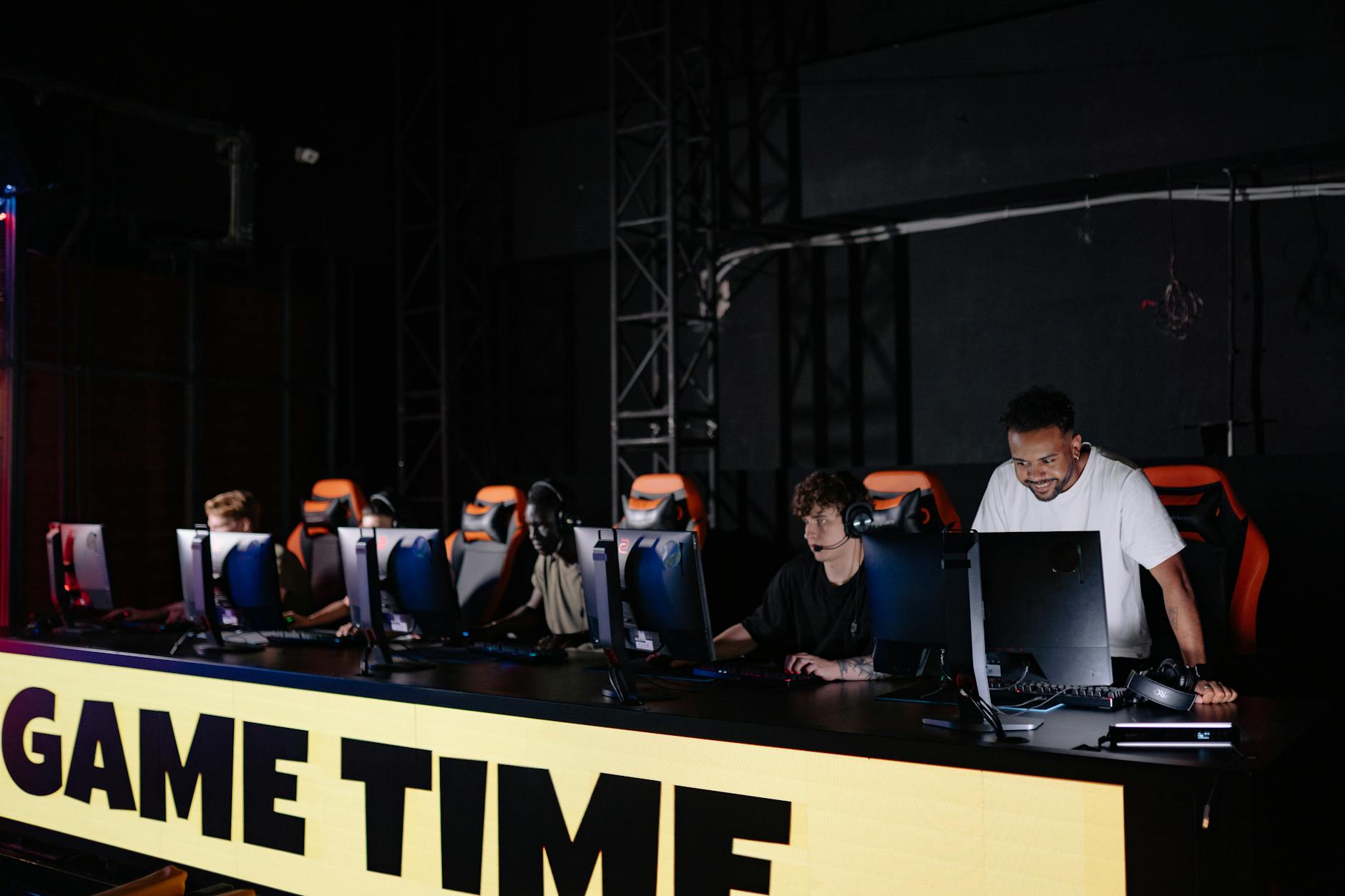
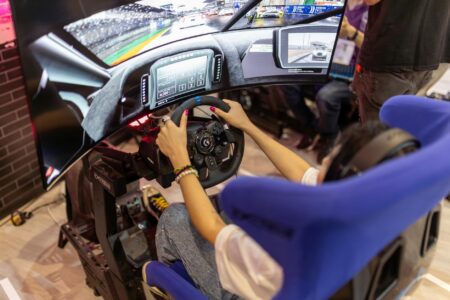
The trend extends beyond fighting games into other competitive genres. Racing simulation teams are developing custom wheels with features inspired by professional motorsports, while retro gaming enthusiasts are driving innovation in classic console modifications. This cross-pollination of ideas is accelerating hardware development across multiple gaming categories.
Professional esports teams’ investment in custom arcade stick technology represents more than equipment upgrades – it signals the maturation of competitive gaming as a legitimate sport where marginal gains matter. As prize pools continue growing and competition intensifies, expect more teams to view specialized hardware as essential infrastructure rather than luxury accessories. The next generation of fighting game champions will likely emerge from organizations that understand hardware advantages are just as important as player skill development.
Frequently Asked Questions
How much do custom arcade sticks cost for professional teams?
Custom arcade sticks for professional esports teams typically cost between $800-3000 per unit, with full team setups reaching tens of thousands of dollars.
What advantage do custom arcade sticks provide over standard controllers?
Custom arcade sticks can reduce input lag to under 2 milliseconds and offer personalized ergonomic configurations that match individual player preferences and playing styles.