


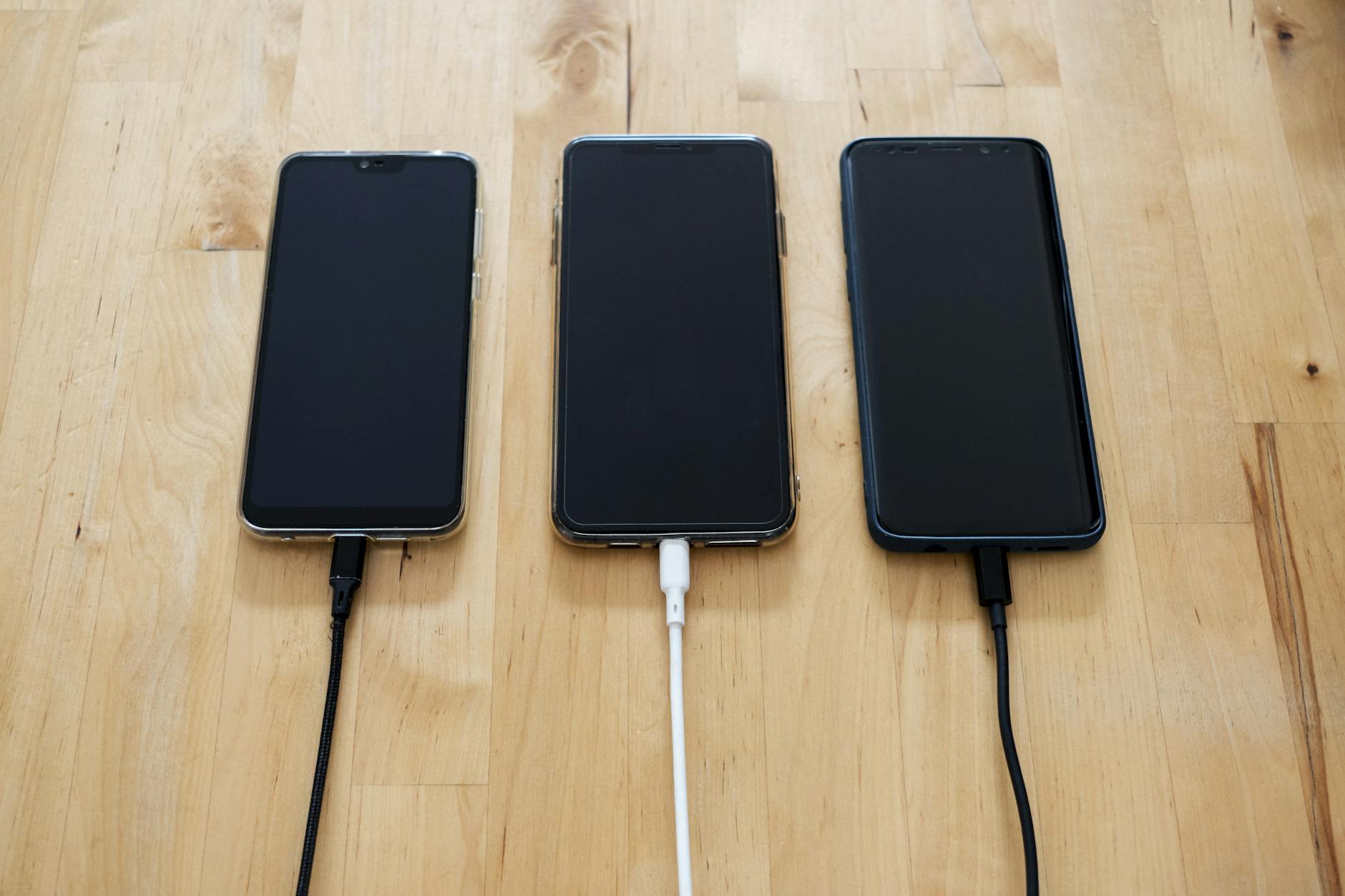
The smartphone industry’s latest design revolution is literally changing how we hold our phones. Major manufacturers including Samsung, OnePlus, and Xiaomi are quietly repositioning charging ports from the traditional bottom-center location to device corners – a shift that promises to solve long-standing ergonomic and functionality challenges.
This corner-port trend gained momentum in 2023 as manufacturers recognized that modern smartphone usage patterns have evolved far beyond simple calling and texting. With users consuming video content in landscape mode for hours daily, gaming on their devices, and relying on phones as primary entertainment hubs, the century-old convention of bottom-center ports has become a genuine hindrance.
Gaming and Media Consumption Drive Design Changes
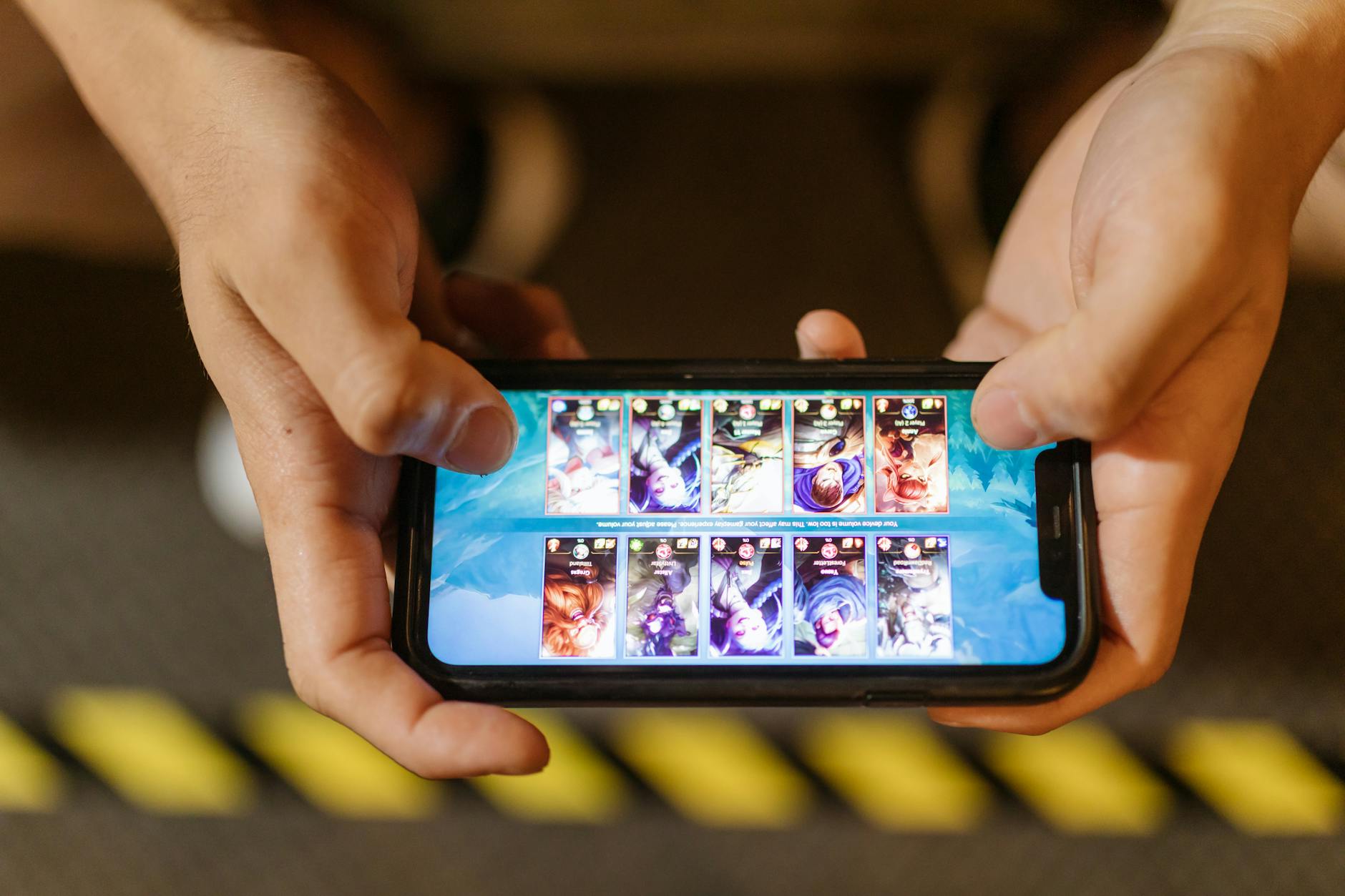
Mobile gaming revenue reached $95 billion globally in 2023, with the average smartphone user spending over three hours daily in landscape orientation. Traditional bottom-center charging ports create an uncomfortable grip when phones are rotated horizontally, forcing users to awkwardly cradle devices while the charging cable juts downward.
Corner-positioned ports eliminate this problem entirely. When a phone is rotated for gaming or video viewing, the charging cable extends from what becomes the device’s side edge, allowing for natural hand positioning. Gaming phone manufacturers like ASUS ROG and RedMagic pioneered this approach, recognizing that their target users frequently played while charging.
Samsung’s Galaxy S24 Ultra subtly moved its USB-C port 3mm toward the left corner compared to previous generations – a small change that significantly improves one-handed landscape use. OnePlus went further with their 12 Pro model, positioning the port distinctly in the bottom-left corner rather than center.
The ergonomic benefits extend beyond gaming. Users watching Netflix, YouTube, or TikTok videos in landscape mode report more comfortable extended viewing sessions when charging cables don’t interfere with their grip.
Wireless Charging Integration and Port Redundancy
Corner port placement also reflects manufacturers’ long-term wireless charging strategies. As wireless charging speeds approach wired charging performance – with some models now supporting 50W+ wireless charging – the physical port becomes less critical for daily use.
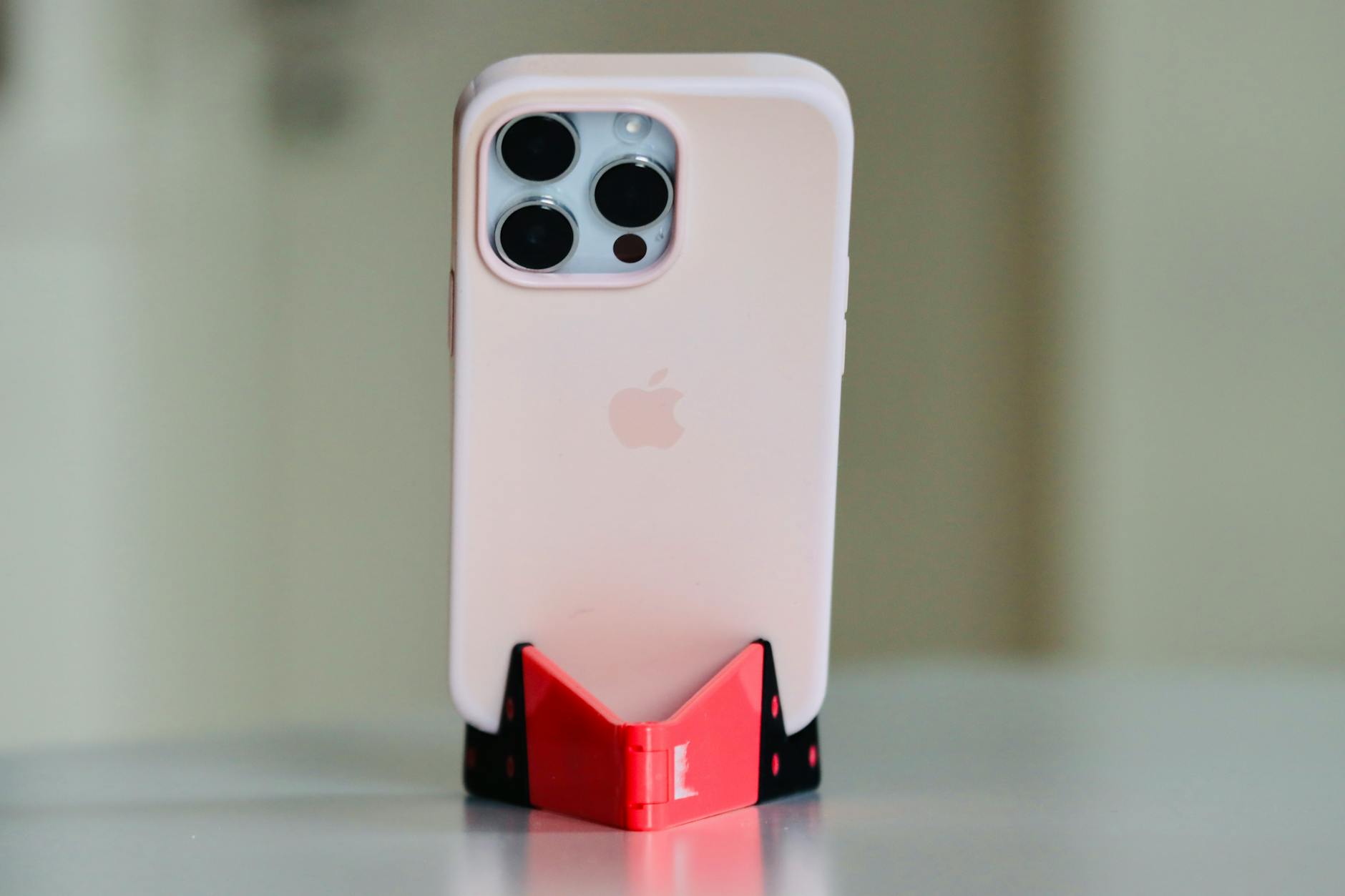
Apple’s MagSafe ecosystem demonstrated this transition, though Apple maintains its Lightning port in the bottom center. Android manufacturers are taking a different approach, using corner placement to de-emphasize wired charging while maintaining the option for users who need it.
This strategic positioning allows for more efficient internal component layout. Moving the charging port to a corner frees up valuable bottom-edge real estate for speakers, microphones, and antenna placement. Several manufacturers have used this space to implement improved stereo speaker configurations or enhanced microphone arrays for better call quality.
The corner placement also supports the growing trend toward foldable phone designs, where traditional port placement can interfere with hinge mechanisms and folding functionality.
Technical Challenges and Engineering Solutions
Relocating charging ports isn’t simply a cosmetic change – it requires significant internal redesign. Manufacturers must reroute power management circuits, adjust battery placement, and reconfigure internal shielding to prevent electromagnetic interference.
The biggest technical hurdle involves maintaining structural integrity. Corner placement puts the port closer to areas that experience stress during drops and impacts. Engineers have responded with reinforced port housing, improved internal bracing, and more robust connector designs.
Thermal management presents another challenge. Corner-positioned ports can create heat concentration in areas traditionally used for cooling. Manufacturers have addressed this through improved heat dissipation materials, strategic internal component placement, and enhanced thermal throttling algorithms.
Water resistance standards also required adjustment. Achieving IP68 certification with corner-mounted ports demanded new gasket designs and sealing approaches. Most manufacturers have successfully maintained their water resistance ratings while implementing corner ports.
Cable and Accessory Compatibility
Corner port placement affects the entire accessory ecosystem. Traditional phone stands, car mounts, and charging docks designed for bottom-center ports may not accommodate corner-positioned cables effectively.
Manufacturers are working with accessory makers to develop compatible products. Some have introduced their own first-party accessories specifically designed for corner-port devices, while others provide adapter solutions for existing accessories.
User Reception and Market Response
Early adopter feedback on corner-positioned charging ports has been overwhelmingly positive. User surveys from OnePlus and Samsung indicate that over 80% of users who switched to corner-port devices report improved comfort during landscape use.
The change hasn’t been universally embraced. Some users report initial adjustment periods, particularly those accustomed to using their phones as makeshift stands while charging. Traditional portrait-orientation charging can feel awkward initially with corner-positioned ports.
Professional photographers and content creators have particularly welcomed the change. Enhanced camera systems often require landscape orientation for optimal use, and corner ports eliminate cable interference during extended shooting sessions.
Market research suggests this trend will accelerate. Industry analysts predict that 60% of flagship smartphones will feature corner or edge-positioned charging ports by 2025, with the remainder split between bottom-center placement and fully wireless-only designs.
The smartphone industry’s shift toward corner charging ports represents more than aesthetic preference – it reflects genuine evolution in how we use our devices. As phones continue serving as primary entertainment, gaming, and productivity tools, design must adapt to actual usage patterns rather than historical conventions. This seemingly small change may prove as significant as the transition from physical keyboards to touchscreens, fundamentally improving how we interact with our most essential daily technology.
Frequently Asked Questions
Which phone brands have corner charging ports?
Samsung, OnePlus, and Xiaomi have implemented corner-positioned charging ports in recent flagship models.
Do corner charging ports affect water resistance?
No, manufacturers maintain IP68 water resistance ratings with redesigned gaskets and sealing systems.
