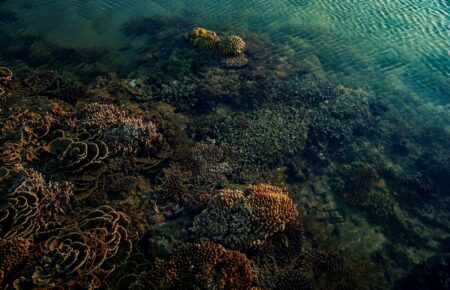





Coral reefs are dying at an unprecedented rate, but marine biologists have found an unlikely ally in their race to save these underwater ecosystems: autonomous underwater vehicles that can work around the clock in conditions too dangerous or difficult for human divers.
These remotely operated underwater drones are revolutionizing coral restoration efforts across the globe, from the Great Barrier Reef to Caribbean waters. Armed with high-definition cameras, specialized tools, and AI-powered navigation systems, these robotic assistants are helping scientists replant coral fragments, monitor growth rates, and assess reef health with precision that was impossible just a decade ago.
The technology addresses a critical challenge in marine conservation. Traditional coral restoration requires teams of scuba divers working in limited time windows, often in rough seas or at depths that pose safety risks. Underwater drones can operate continuously for hours, diving deeper and staying longer than any human researcher.
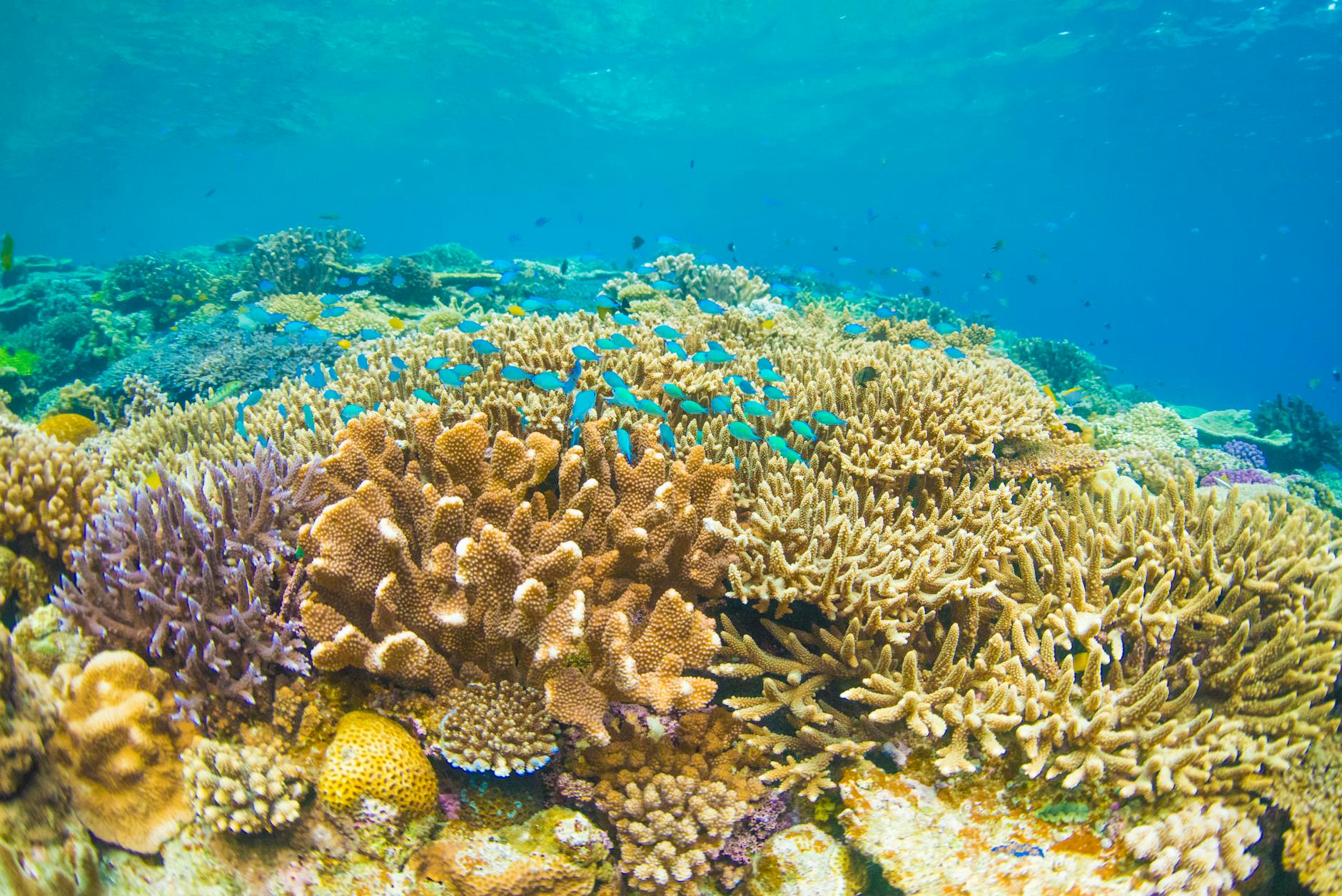
Precision Planting at Ocean Scale
The restoration process begins with coral nurseries, where scientists grow small coral fragments on underwater structures until they’re ready for transplantation. Underwater drones equipped with robotic arms can carefully collect these healthy fragments and transport them to degraded reef sites.
Companies like Coral Vita and Ocean Seed have developed specialized attachments that allow drones to drill precise holes in reef substrate and secure coral fragments using marine-grade cement. The robots can work in grid patterns, ensuring optimal spacing between transplants to maximize growth and survival rates.
“We can now plant 500 coral fragments in a single dive session,” explains Dr. Ruth Gates, a marine biologist who has worked extensively with drone-assisted restoration. “That would take a team of six divers multiple days to accomplish, assuming weather conditions cooperated.”
The drones also collect real-time data during planting operations. Onboard sensors measure water temperature, pH levels, and turbidity, providing scientists with environmental context that helps predict transplant success rates.
24/7 Monitoring and Data Collection
Beyond planting, underwater drones serve as tireless sentinels, monitoring coral health through continuous observation. Advanced camera systems capture time-lapse footage showing coral growth over weeks and months, while multispectral imaging reveals stress indicators invisible to the human eye.
Modern drones can detect coral bleaching events in their earliest stages by analyzing subtle color changes in coral tissue. This early warning system allows researchers to intervene quickly, sometimes relocating vulnerable corals to nurseries until water temperatures stabilize.
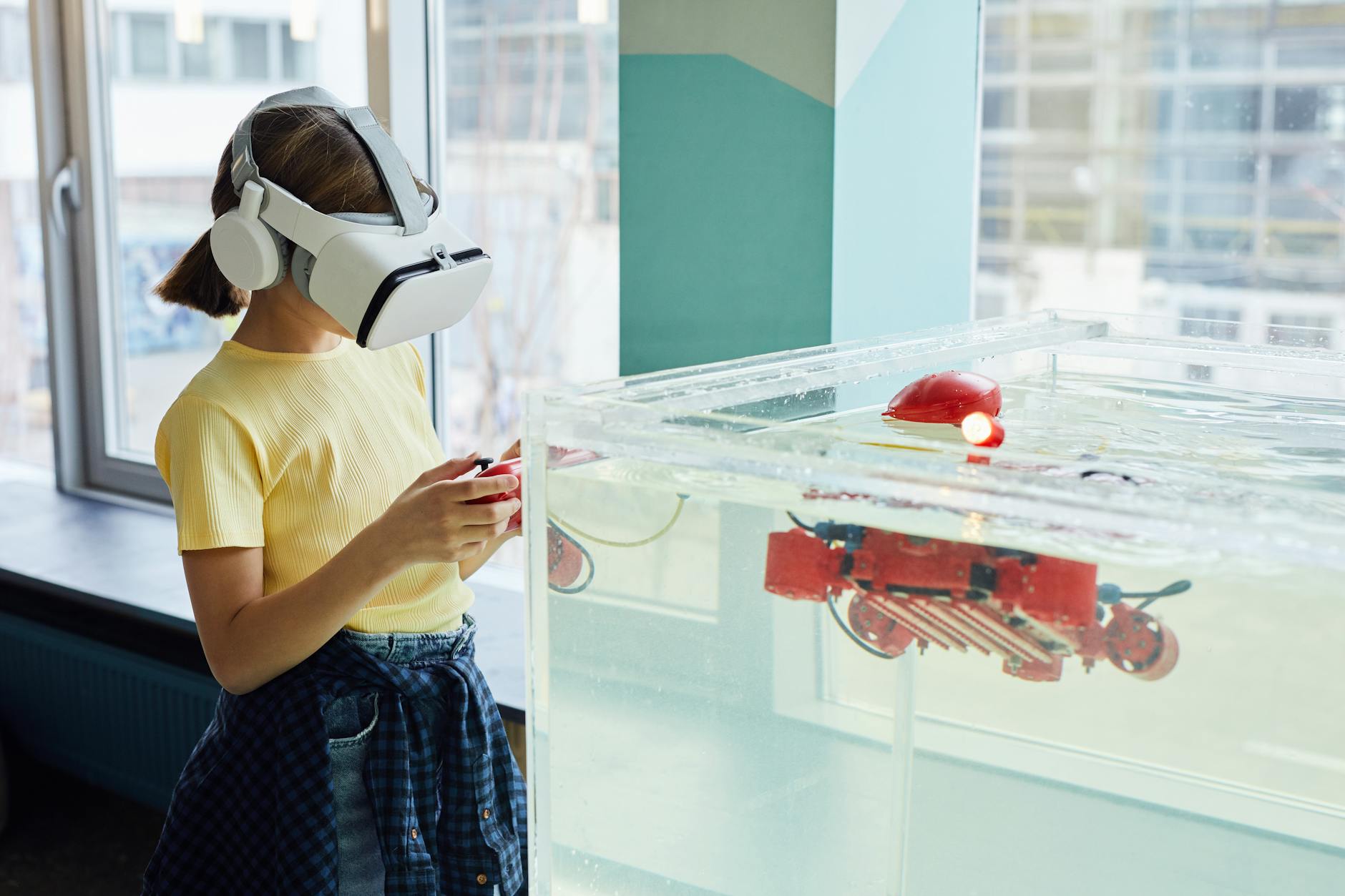
Machine learning algorithms process thousands of underwater images to identify different coral species, track growth rates, and flag unusual patterns that might indicate disease or predation. This automated analysis speeds up research dramatically – work that once required months of manual image review now happens in real-time.
Similar technological approaches are being used in other marine conservation efforts. Marine protected areas are using acoustic monitoring for fish populations, creating comprehensive underwater surveillance networks that track ecosystem health across multiple indicators.
Deep Water Challenges
One of the most significant advantages of drone-based restoration is access to deep water coral systems that are largely beyond the reach of traditional scuba operations. Many coral species thrive in waters 100 to 200 feet deep, where extended human presence is dangerous and expensive.
These deeper reefs often serve as refuges during warming events, harboring coral genotypes that may be naturally more heat-tolerant. Drones can collect samples from these populations and transplant them to shallower areas, potentially increasing overall reef resilience to climate change.
Overcoming Technical Hurdles
The marine environment presents unique challenges for robotic systems. Saltwater corrosion, strong currents, and limited underwater communication require specialized engineering solutions.
Battery life remains a primary constraint, though new lithium-ion systems designed specifically for marine applications can power drones for 8-12 hours of continuous operation. Some research teams are experimenting with wireless underwater charging stations that extend mission duration indefinitely.
Navigation without GPS signals requires sophisticated sensor fusion, combining sonar, inertial measurement units, and visual odometry. Recent advances in underwater SLAM (Simultaneous Localization and Mapping) technology allow drones to build detailed 3D maps of reef structures while maintaining precise positioning for delicate restoration work.
Communication presents another hurdle. Underwater radio waves travel poorly, so most drones operate with significant autonomy, following pre-programmed missions or using acoustic modems for basic command and control.
Cost-Effectiveness and Scaling Up
Economic considerations make underwater drones increasingly attractive for large-scale restoration efforts. A single drone system costs roughly the same as equipping and training a team of scientific divers for a season, but can operate year-round in various weather conditions.
The scalability factor is crucial as coral restoration needs grow. Climate change continues to stress reef systems worldwide, with back-to-back bleaching events becoming more common. Traditional restoration methods, while effective, simply cannot match the pace of degradation.
Several major restoration projects are now integrating drone technology as a core component. The Great Barrier Reef Marine Park Authority has deployed autonomous systems across multiple reef sites, while Caribbean restoration efforts are using drone swarms to coordinate large-scale planting operations.
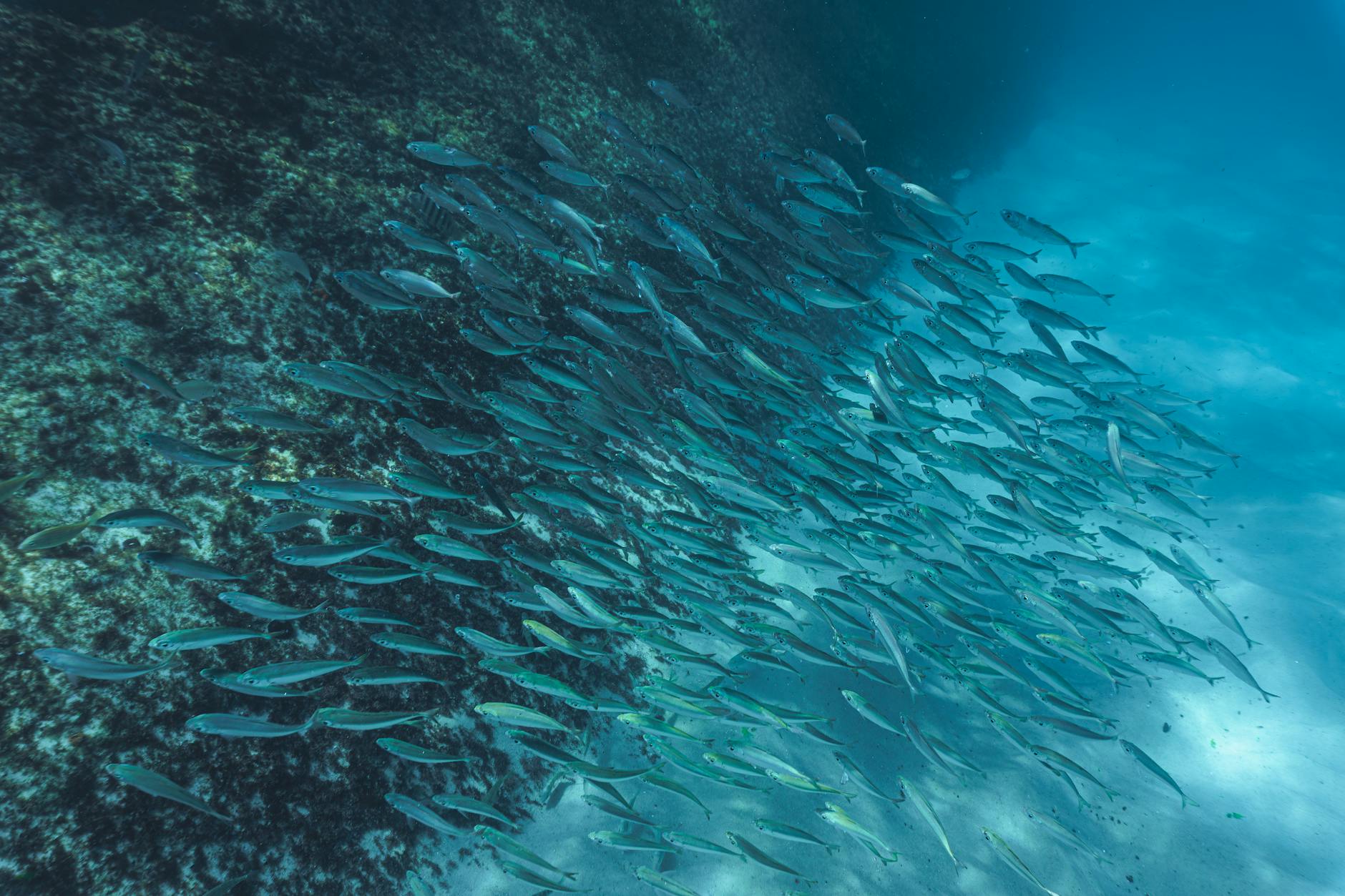
The future of coral restoration increasingly looks automated. As artificial intelligence continues advancing, underwater drones will likely become even more autonomous, making complex decisions about coral placement, identifying optimal growth conditions, and even predicting which genetic variants will best survive changing ocean conditions. This technological evolution represents not just an upgrade in tools, but a fundamental shift toward restoration efforts that can operate at the scale and speed that our warming oceans demand.
Frequently Asked Questions
How do underwater drones plant coral fragments?
Drones use robotic arms to drill holes in reef substrate and secure coral fragments with marine cement, working in precise grid patterns.
Can underwater drones work deeper than human divers?
Yes, drones can safely operate at depths of 100-200 feet for extended periods where human diving becomes dangerous and expensive.