


Rising Seas, Virtual Worlds
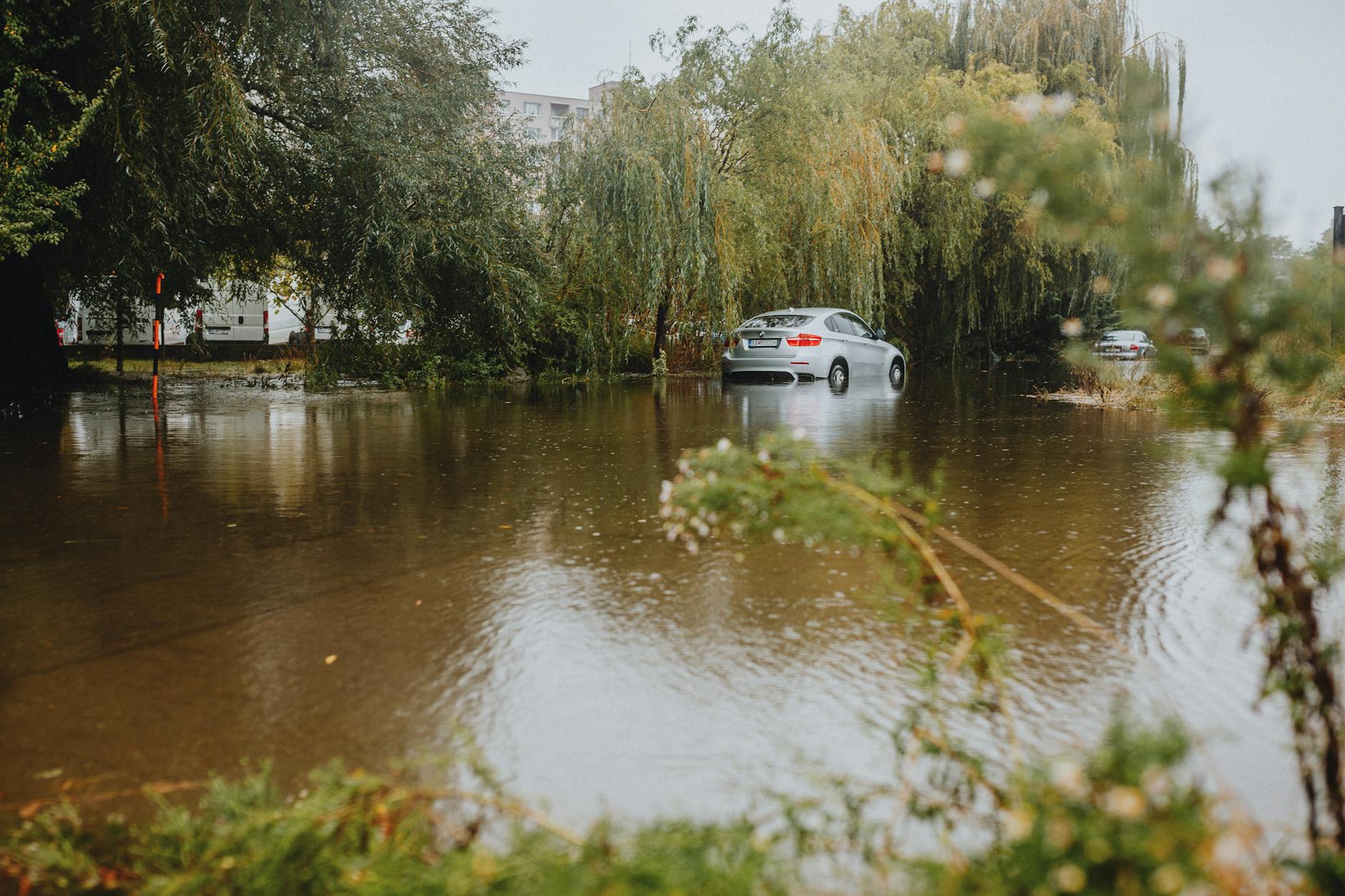
The flooded streets of Miami in 2080. Arctic tundra transformed into farmland. Megastorms that reshape entire coastlines. These scenarios aren’t just climate science projections anymore – they’re becoming interactive playgrounds in video games that blend entertainment with environmental education.
Game developers are increasingly weaving climate change into realistic simulations, creating experiences that let players witness and navigate potential futures shaped by rising temperatures, extreme weather, and ecological shifts. From city-building games that require flood management to survival titles set in climate-ravaged landscapes, the gaming industry is embracing environmental themes with unprecedented scientific accuracy.
This shift reflects both growing environmental awareness among developers and demand from players who want games that tackle real-world issues. Unlike the fantasy scenarios that dominated gaming for decades, these climate-focused titles ground their mechanics in peer-reviewed research and climate modeling data.

From Fiction to Forecast
City-building games have become laboratories for climate adaptation strategies. Recent titles incorporate realistic sea-level rise projections, forcing players to design flood barriers, relocate populations, and manage resource scarcity as temperatures climb. These games draw from actual climate models produced by organizations like NASA and the Intergovernmental Panel on Climate Change.
Survival games are also embracing climate science. Several upcoming titles place players in environments affected by desertification, permafrost melt, and changing precipitation patterns. The gameplay mechanics mirror real adaptive strategies – water conservation, crop selection for changing growing seasons, and migration timing based on seasonal shifts.
Racing simulators have joined the climate conversation too, with some incorporating extreme weather events that affect track conditions and visibility. Haptic feedback technology now allows players to feel the physical impact of these virtual storms and environmental changes.
The technical challenge lies in translating complex climate data into engaging gameplay. Developers work with climatologists and environmental scientists to ensure accuracy while maintaining the fun factor that keeps players engaged. This collaboration has produced games that function as both entertainment and informal education tools.
Educational Gaming Goes Mainstream
Major gaming studios are investing in climate-themed content as educational gaming moves beyond niche markets. These projects target broad audiences rather than just environmentally conscious players, integrating climate themes into popular genres like strategy, adventure, and simulation games.
The approach differs significantly from traditional “edutainment” titles. Instead of lecturing players about climate science, these games present climate challenges as problems to solve through gameplay. Players learn about carbon cycles by managing virtual ecosystems, understand renewable energy by building wind and solar infrastructure, and grasp adaptation strategies by responding to in-game climate events.
Multiplayer climate simulations allow players to collaborate on global challenges, mirroring real-world international cooperation needed for climate action. These games often feature scenarios where individual player choices affect the entire game world’s climate trajectory, emphasizing collective impact and responsibility.
The gaming industry’s embrace of climate themes represents a significant cultural shift. Where previous generations of games often ignored environmental consequences of virtual actions, today’s climate-aware titles make sustainability and adaptation central to gameplay success.
Technical Innovation Meets Environmental Science
Advanced simulation engines now model complex environmental systems in real-time. These technical capabilities allow games to demonstrate interconnected climate effects – how deforestation in one region affects rainfall patterns elsewhere, or how ocean temperature changes impact weather systems globally.
Artificial intelligence drives dynamic weather systems and ecosystem responses in these games. Machine learning algorithms trained on climate data generate realistic environmental changes that respond to player actions and long-term trends. This technology creates emergent gameplay where environmental consequences unfold gradually, mirroring real-world climate change timescales.
Virtual reality takes climate simulation to new levels of immersion. Players can experience rising sea levels from street level, walk through transformed ecosystems, and witness extreme weather events with unprecedented realism. These visceral experiences often prove more impactful than traditional climate communications methods.

The integration of climate science into gaming represents a convergence of entertainment, education, and environmental advocacy. As gaming technology continues advancing and climate concerns intensify, expect more developers to explore how interactive media can help society understand and prepare for environmental challenges ahead. Unlike the nostalgia driving retro gaming trends, these climate-focused titles look firmly toward the future, using the power of play to explore humanity’s most pressing challenge.
The next generation of climate games will likely incorporate even more sophisticated modeling, potentially allowing players to test real-world policy proposals and adaptation strategies in virtual environments. As the lines between simulation and reality continue blurring, gaming may become an increasingly important tool for climate communication and preparation.
Frequently Asked Questions
How accurate are climate simulations in video games?
Many developers now collaborate with climatologists and use peer-reviewed research to ensure their environmental scenarios reflect real climate science.
What types of games include climate change themes?
City-builders, survival games, racing simulators, and strategy games increasingly incorporate climate challenges and adaptation mechanics.
