


Your smartwatch already tracks your steps, heart rate, and sleep patterns. Soon, it might also monitor your blood sugar levels without requiring a single drop of blood. Major tech companies are racing to integrate non-invasive glucose monitoring into wearable devices, potentially transforming diabetes management and preventive healthcare for millions of users worldwide.
Traditional blood glucose monitoring requires pricking your finger multiple times daily, testing strips that cost hundreds of dollars annually, and constant vigilance that many find exhausting. The promise of continuous, painless monitoring through your existing fitness tracker represents one of the most significant advances in wearable health technology.
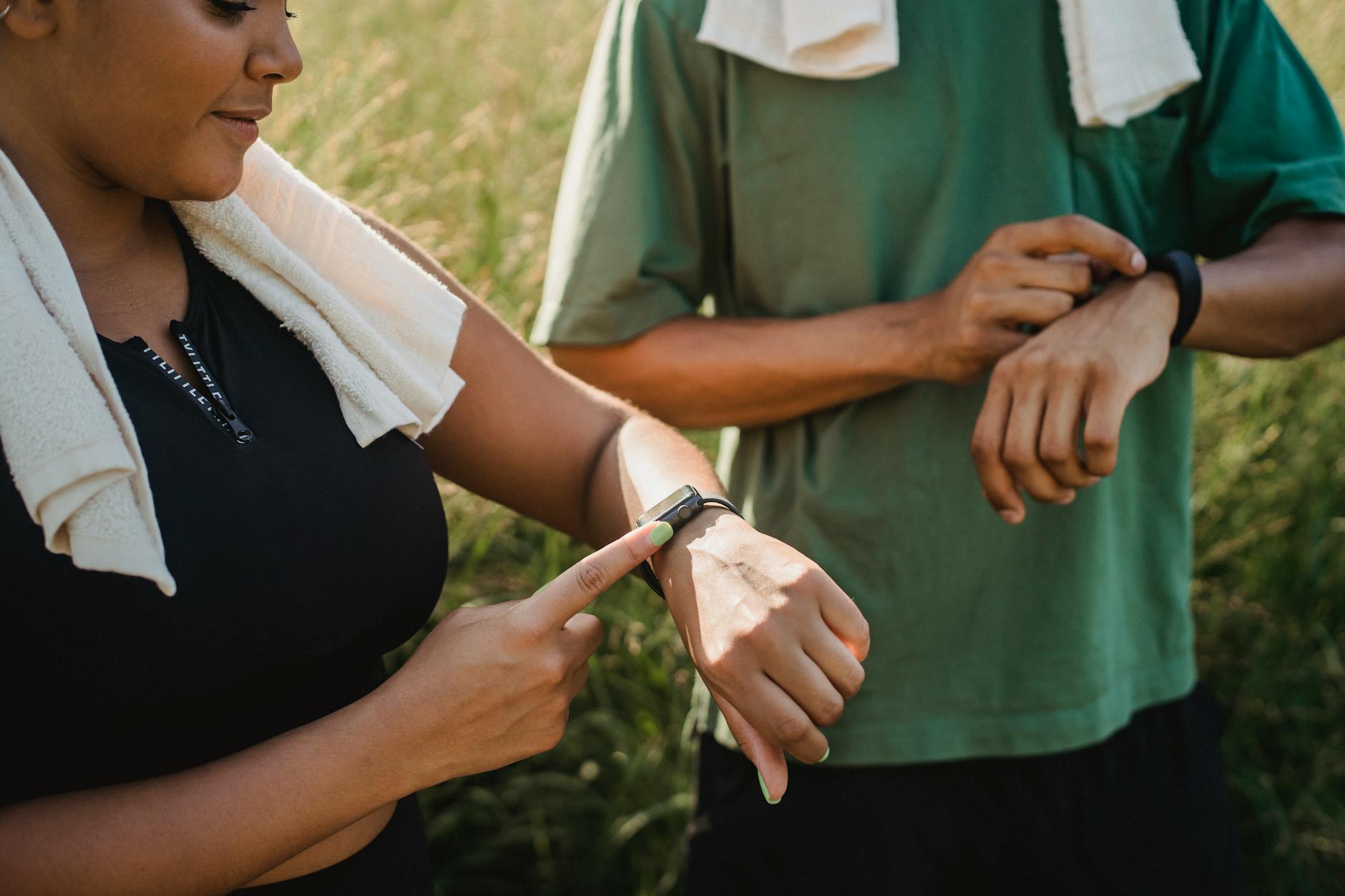
The Technology Behind Needle-Free Glucose Monitoring
Several approaches are competing to make non-invasive glucose monitoring a reality in consumer wearables. The most promising methods include optical sensors that use light wavelengths to detect glucose molecules through the skin, electromagnetic sensors that measure electrical properties of tissue fluid, and ultrasonic sensors that analyze acoustic waves bouncing through tissue layers.
Apple has filed numerous patents for optical glucose sensing technology integrated into the Apple Watch. Their approach reportedly uses infrared light beams that penetrate skin and analyze how glucose molecules absorb specific wavelengths. The challenge lies in filtering out interference from other substances in blood and tissue that can affect readings.
Samsung has taken a different path, exploring electromagnetic field sensors that could detect glucose concentrations in interstitial fluid beneath the skin. Their Galaxy Watch models already include advanced biometric sensors, positioning them well for glucose monitoring integration.
Fitbit, now owned by Google, has partnered with glucose monitoring companies to develop hybrid solutions. While not fully non-invasive yet, these partnerships are creating pathways for eventual needle-free integration into their popular fitness tracking ecosystem.
The technical hurdles remain significant. Glucose levels in interstitial fluid lag behind blood glucose by 10-15 minutes, requiring sophisticated algorithms to provide real-time accuracy. Environmental factors like temperature, humidity, and skin moisture can affect sensor readings, demanding robust calibration systems.
Why Companies Are Investing Heavily in This Technology
The global glucose monitoring market exceeds $10 billion annually, with continuous glucose monitors representing the fastest-growing segment. Integrating this capability into fitness trackers opens an enormous market opportunity beyond just diabetic users.
Over 422 million people worldwide have diabetes, but an estimated 240 million cases remain undiagnosed. Fitness trackers with glucose monitoring could serve as early detection systems, alerting users to concerning blood sugar patterns before clinical symptoms appear. This preventive approach aligns with healthcare’s shift toward early intervention and remote monitoring.
The data integration possibilities are equally compelling. Fitness trackers already monitor sleep, exercise, stress, and heart rate. Adding glucose data creates a comprehensive health picture that could reveal correlations between lifestyle factors and metabolic health. Users could see how specific foods, workouts, or sleep patterns affect their blood sugar levels.
Insurance companies and healthcare systems are showing strong interest in devices that help prevent expensive chronic disease complications. Medicare already covers continuous glucose monitors for diabetics, suggesting potential coverage for preventive glucose monitoring through fitness trackers.
Major tech companies see glucose monitoring as a gateway to deeper healthcare integration. Once users trust their wearables for medical-grade monitoring, companies can expand into other health metrics and services, from medication reminders to telemedicine consultations.
Current Limitations and Regulatory Challenges
Despite the promise, significant obstacles remain before needle-free glucose monitoring becomes standard in fitness trackers. Accuracy requirements for medical devices far exceed typical fitness tracker standards. The FDA requires glucose monitors to be accurate within 15% of laboratory reference values, a precision level that current non-invasive technologies struggle to achieve consistently.
Skin variations between users create calibration challenges. Factors like skin thickness, hair density, tattoos, and natural pigmentation can affect sensor performance. What works accurately for one user might be unreliable for another, requiring personalized calibration processes that could complicate user experience.
Battery life presents another constraint. Continuous glucose monitoring requires constant sensor operation, potentially reducing device battery life significantly. Users already complain about daily charging requirements for current smartwatches; adding glucose monitoring could worsen this issue without battery technology improvements.
Temperature and motion artifacts can corrupt readings. Unlike laboratory glucose monitors in controlled environments, fitness trackers face constantly changing conditions during exercise, weather variations, and daily activities. Advanced filtering algorithms are necessary but add computational complexity and processing power requirements.
Regulatory approval processes are lengthy and expensive. Medical device classification requires extensive clinical trials proving safety and efficacy across diverse populations. Companies must demonstrate not just technical capability but also clinical utility and user safety over extended periods.
The Race to Market and Future Implications
Industry insiders suggest the first commercially viable glucose-monitoring fitness trackers could arrive within the next two to three years, though initial versions may require periodic calibration with traditional finger-stick tests. Early adopters will likely be existing diabetics looking to reduce their testing burden rather than healthy users seeking preventive monitoring.
The integration mirrors how fitness trackers evolved from step counters to comprehensive health monitoring platforms, similar to how Apple’s Smart Ring patent reveals gesture control capabilities expanding beyond traditional input methods. Each new health metric added legitimacy and medical relevance to consumer wearables.

Success in glucose monitoring could accelerate development of other non-invasive health metrics. Companies are already researching continuous blood pressure monitoring, hydration levels, and even blood alcohol content through wearable sensors. The technologies and regulatory pathways established for glucose monitoring will benefit these future developments.
Healthcare systems worldwide are watching these developments closely. Remote patient monitoring became essential during the pandemic, and continuous glucose data from consumer devices could reduce clinic visits while improving patient outcomes. The data volume could also accelerate diabetes research and treatment optimization through large-scale population studies.
The convergence of consumer electronics and medical devices represents a fundamental shift in healthcare delivery. When your fitness tracker can detect concerning health patterns before symptoms appear, the line between wellness gadgets and medical equipment disappears entirely. This transformation promises more proactive, personalized healthcare but also raises questions about data privacy, device reliability, and the medicalization of daily life.
The companies that successfully navigate the technical, regulatory, and market challenges of glucose monitoring integration will likely dominate the next generation of health-focused wearables, making continuous health monitoring as routine as checking your daily step count.
Frequently Asked Questions
How do needle-free glucose monitors in fitness trackers work?
They use optical sensors with infrared light or electromagnetic field sensors to detect glucose concentrations through skin without requiring blood samples.
When will glucose monitoring fitness trackers be available?
Industry experts predict the first commercially viable models could arrive within 2-3 years, pending regulatory approval and technical refinements.
