


The fighting game community just witnessed something unprecedented at EVO 2024: every single major tournament bracket ran entirely on wireless controllers. No tangled cables snaking across stages, no last-minute connection failures, and zero delays from controller swaps between matches. The shift represents more than convenience – it signals a fundamental transformation in competitive gaming infrastructure that’s been years in the making.
Major tournament organizers including EVO, CEO, and Combo Breaker have officially adopted wireless-first policies for 2024, marking the end of an era where wired connections dominated professional play. The change comes after extensive testing revealed modern wireless controllers now match or exceed wired latency performance while eliminating the logistical nightmares that have plagued tournaments for decades.
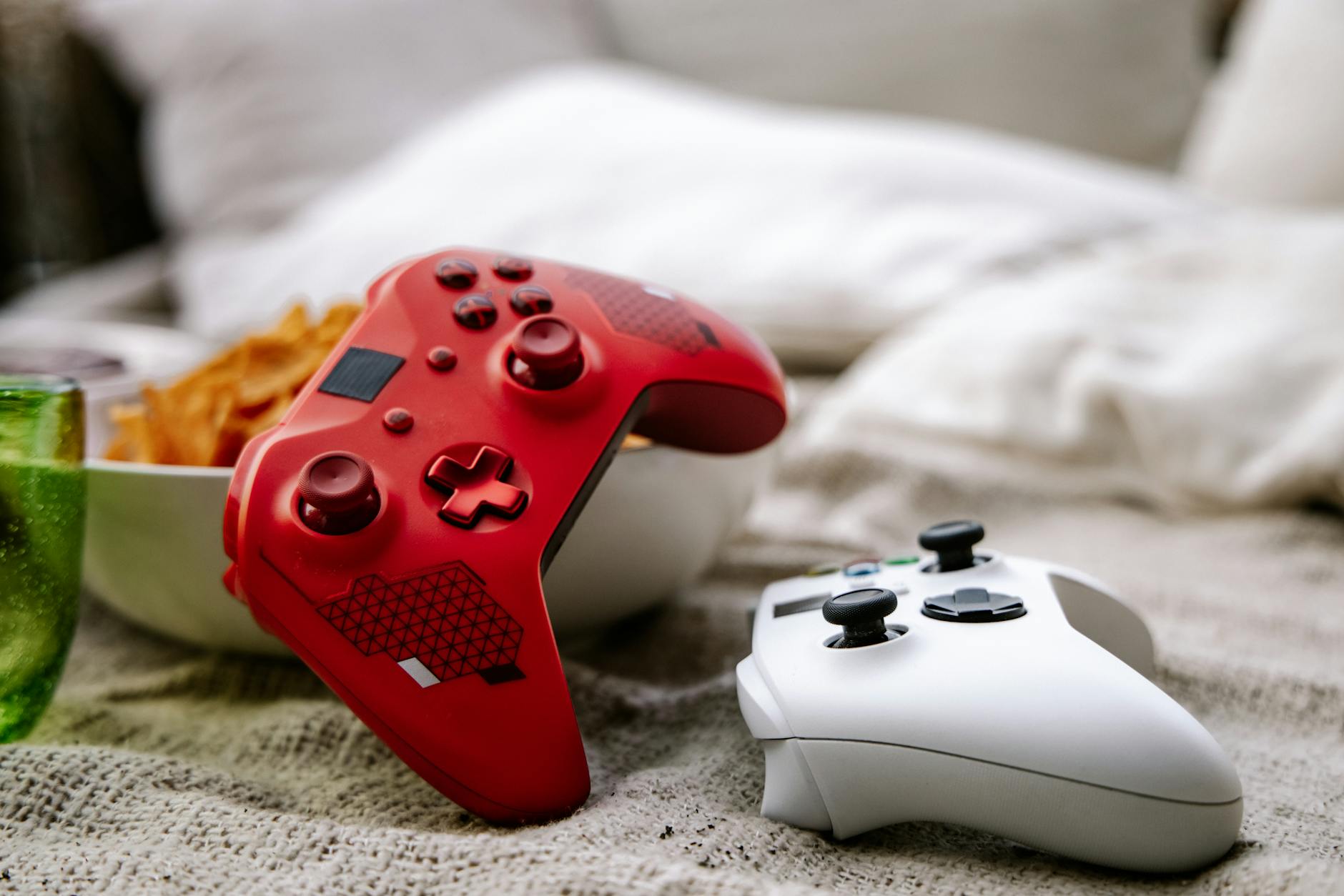
Latency Myths Finally Debunked
For years, competitive players swore by wired connections, believing wireless controllers introduced unacceptable input delay. Recent independent testing by multiple community labs tells a different story. Modern wireless protocols operating at 1000Hz polling rates deliver input latency as low as 1-2 milliseconds – well below human perception thresholds and often faster than older wired controllers with poor drivers.
The PlayStation 5 DualSense controller running wireless achieves sub-frame latency in most fighting games, while Xbox Wireless Controllers using Microsoft’s proprietary 2.4GHz protocol consistently outperform generic wired alternatives. Even third-party manufacturers like 8BitDo and Hori have developed tournament-grade wireless controllers specifically for competitive play.
Community testing rigs built by prominent FGC figures like Core-A Gaming and Analysis by Fighting Game Scientists consistently show wireless performance matching premium wired alternatives. The data convinced tournament organizers who had resisted the switch for competitive integrity reasons.
Tournament director Joey Cuellar explains the decision: “We ran extensive blind testing with top players. Nobody could reliably identify which setups used wireless versus wired controllers. When the performance is identical but wireless eliminates 90% of our technical issues, the choice becomes obvious.”
Solving Tournament Infrastructure Nightmares
Anyone who’s attended a major fighting game tournament knows the chaos of cable management. Hundreds of contestants bringing personal controllers create a web of cables that staff must constantly untangle, test, and replace. Setup delays between matches routinely push tournaments hours behind schedule.
Wireless adoption eliminates these bottlenecks entirely. Players can connect controllers instantly without crawling under tables or wrestling with extension cables. Tournament staff report setup times dropping from 2-3 minutes per match to under 30 seconds. The time savings accumulate dramatically across tournament weekends featuring thousands of matches.
Beyond speed, wireless connections reduce equipment failures that derail tournaments. Worn USB ports, damaged cables, and connector issues vanish when controllers communicate wirelessly. Stream delays caused by technical difficulties have dropped significantly at tournaments implementing wireless standards.
The infrastructure benefits extend to venue logistics. Tournament organizers can fit more setups in smaller spaces without cable routing constraints. Power requirements drop when eliminating USB hubs and extension cables. Cleanup crews can reset tournament areas in minutes rather than hours.
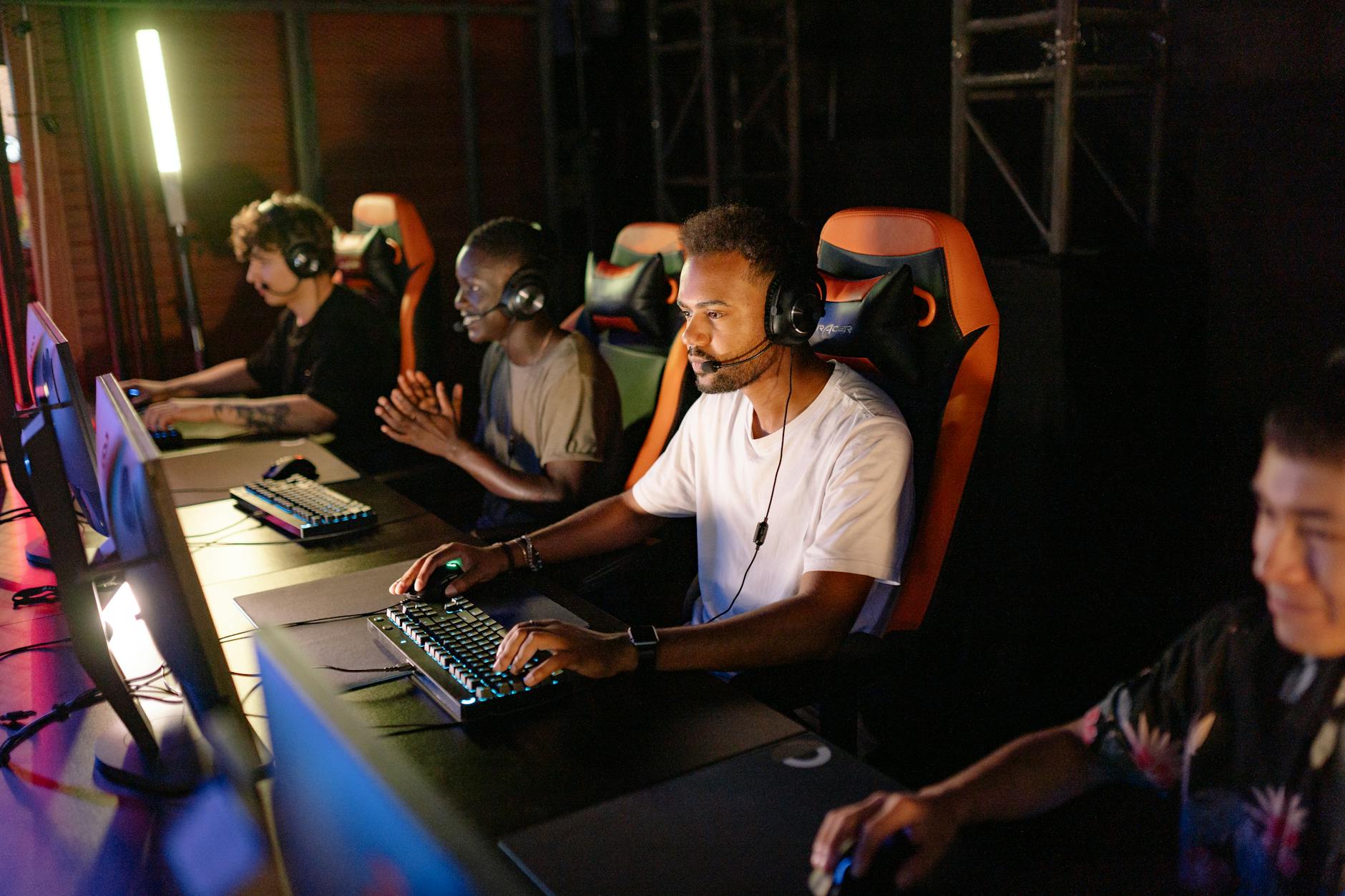
Major tournament sponsors including HyperX, Razer, and SteelSeries have embraced the shift by developing wireless controllers specifically for competitive play. These partnerships ensure adequate controller availability and standardized performance across different tournament venues.
Player Adaptation and Community Response
The competitive community’s response has been overwhelmingly positive, though not without initial skepticism. Top players like Daigo Umehara and SonicFox conducted their own testing before endorsing wireless setups for major tournaments. Their public approval helped convince holdout players worried about performance compromises.
Practice routines have adapted accordingly. Players now train exclusively with wireless controllers to match tournament conditions. Local scenes report increased attendance at weekly tournaments after eliminating controller setup friction. The smoother experience encourages casual players to compete more regularly.
Some traditionalists still prefer wired connections for home practice, citing personal preference rather than performance concerns. However, tournament results show no correlation between controller connection type and player performance. The psychological advantage of familiar equipment appears minimal when wireless performance matches wired alternatives.
Community feedback consistently highlights convenience as the primary benefit. Players appreciate not worrying about cable management or compatibility issues when traveling to tournaments. The ability to play from comfortable distances without cable length constraints has improved player ergonomics during long tournament sets.
Professional players have also noted reduced physical fatigue during lengthy tournament days. Without cables creating resistance or catching on equipment, controllers move more freely during intense matches. This subtle improvement may provide competitive advantages during marathon tournament brackets.
Technical Standards and Future Development
Tournament organizers have established technical standards ensuring consistent wireless performance across events. Controllers must meet minimum polling rate requirements, maintain stable connections during interference testing, and demonstrate consistent latency performance across extended use.
The standardization mirrors developments in other competitive gaming sectors, where variable refresh rate monitors are becoming standard for competitive gaming to eliminate display-related performance barriers.
Battery life requirements ensure controllers maintain performance throughout tournament days without degradation. Modern wireless controllers typically provide 20-40 hours of competitive play per charge, well beyond single-day tournament requirements. Quick-charging capabilities allow rapid power restoration during brief breaks between matches.
Interference mitigation has become crucial as tournaments pack dozens of wireless controllers into small spaces. Advanced frequency management and adaptive protocols prevent connection drops or latency spikes when multiple controllers operate simultaneously. Tournament venues now implement wireless spectrum monitoring to identify and resolve interference sources proactively.
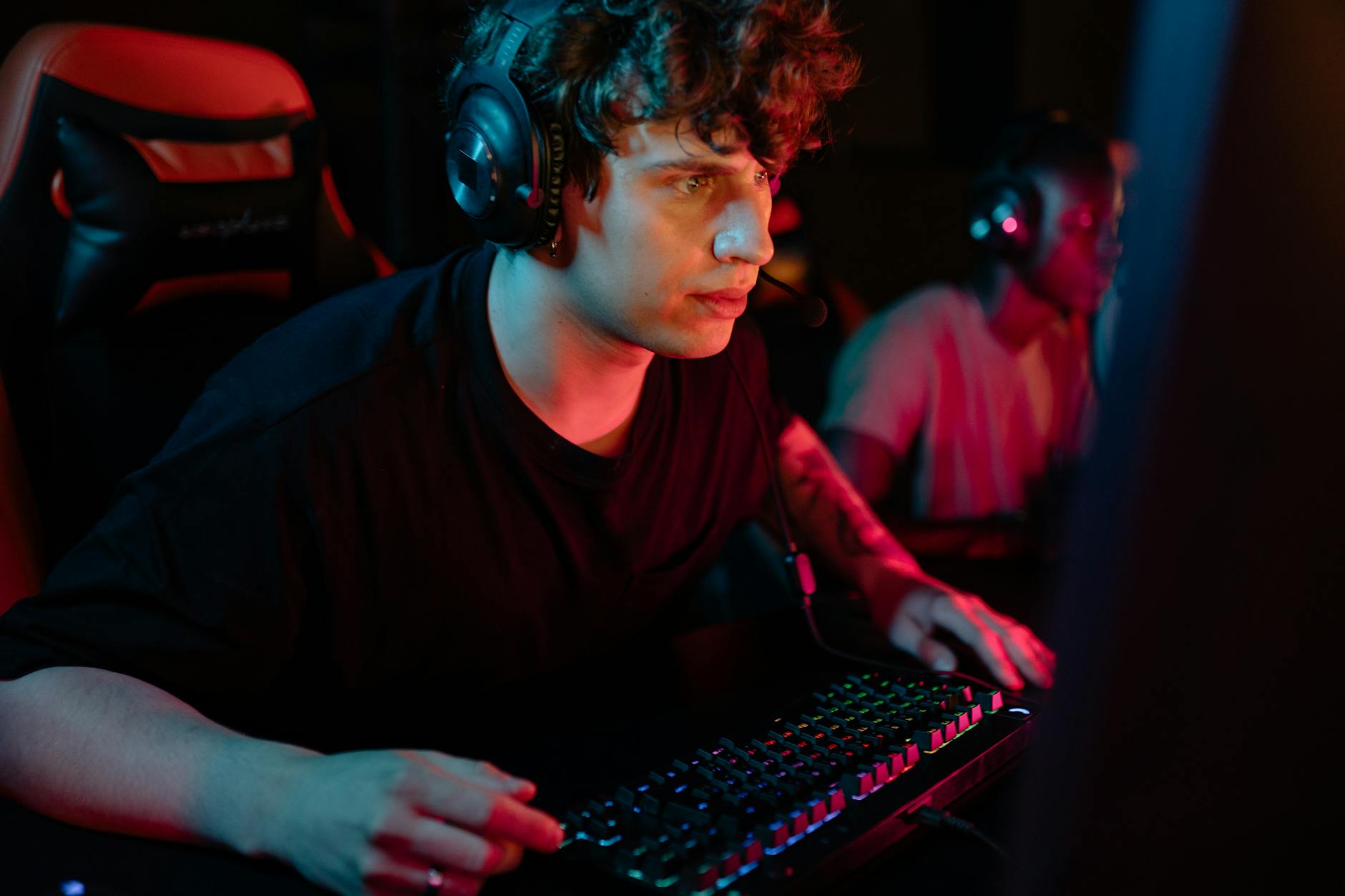
Future developments promise even better wireless performance for competitive play. Next-generation controllers will feature sub-millisecond latency, extended battery life, and enhanced interference resistance. Some manufacturers are developing tournament-specific firmware that prioritizes latency and connection stability over features like rumble or LED lighting.
The wireless transition represents broader trends in competitive gaming hardware evolution. As the gaming industry continues advancing portable and wireless technologies, fighting game tournaments demonstrate how competitive integrity can coexist with modern convenience features.
Tournament organizers are already planning enhanced wireless infrastructure for 2025 events, including dedicated wireless channels for different games and improved interference monitoring systems. The success of wireless adoption in fighting games may influence other competitive gaming genres to reconsider their equipment standards.
The fighting game community’s embrace of wireless controllers marks a definitive shift from tradition-bound practices toward evidence-based equipment choices. As tournaments continue growing in scale and complexity, wireless standards provide the technical foundation needed for sustainable competitive gaming infrastructure that serves players, organizers, and spectators equally well.
Frequently Asked Questions
Do wireless controllers have higher input lag than wired controllers?
Modern wireless controllers achieve sub-frame latency matching or exceeding wired alternatives, with delays well below human perception thresholds.
Why did tournaments switch to wireless controllers now?
Recent testing proved wireless performance matches wired while eliminating cable management issues, setup delays, and equipment failures that plague tournaments.
