


Your home router just gained superpowers. What once handled basic internet traffic now processes complex computations locally, storing and analyzing data that would traditionally require cloud servers thousands of miles away.
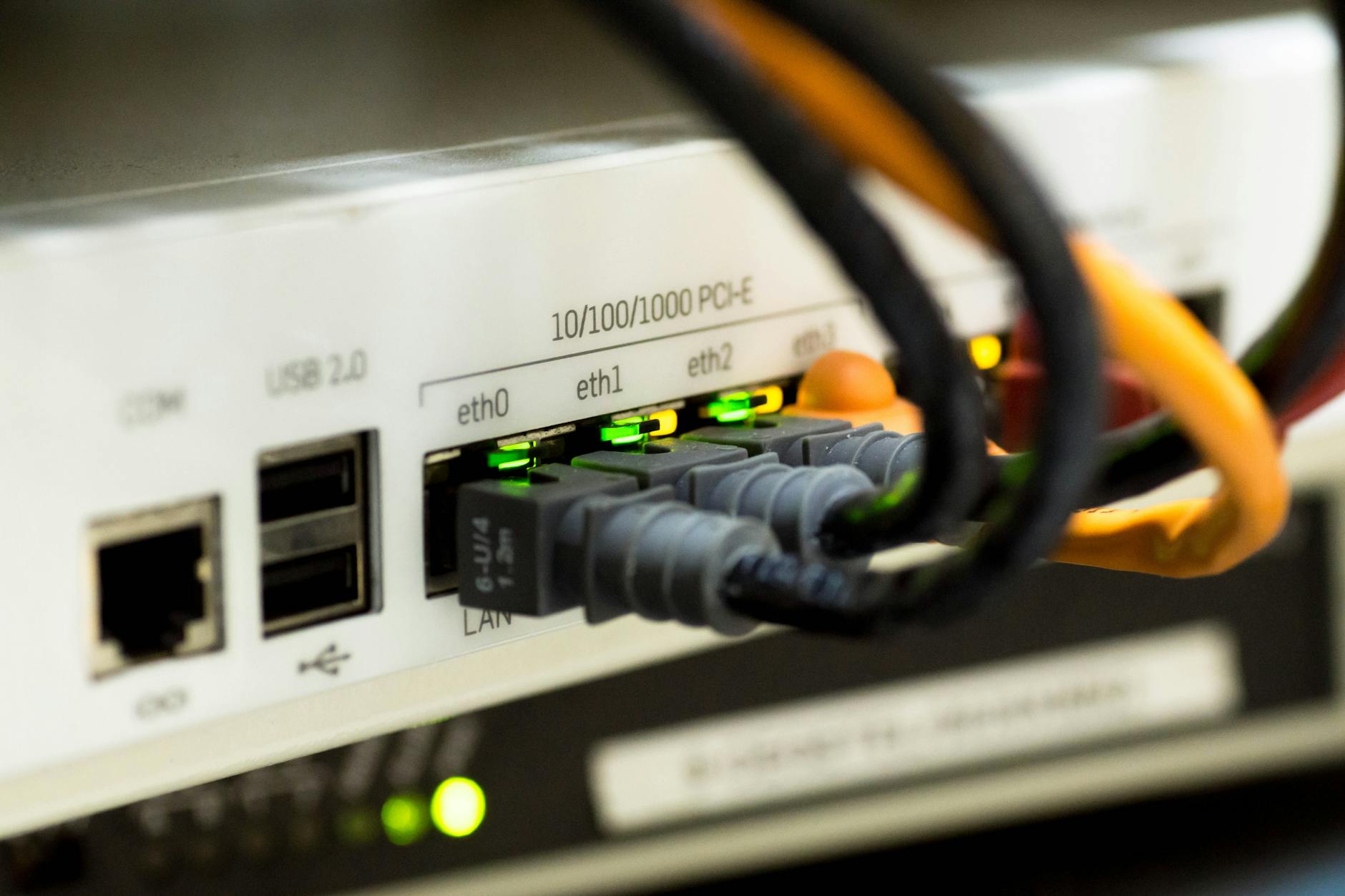
Edge computing has quietly transformed the humble router from a simple data gateway into a miniature server farm. Major manufacturers like ASUS, Netgear, and TP-Link now embed ARM processors, dedicated AI chips, and substantial storage directly into consumer routers. These devices can run Docker containers, host databases, and execute machine learning algorithms without ever touching the cloud.
The shift represents a fundamental reimagining of home networking infrastructure. Instead of sending every smart device’s data to distant servers, routers now handle processing locally. Your security camera footage gets analyzed at home. Voice commands process without leaving your living room. Smart home sensors trigger responses in milliseconds rather than seconds.
Processing Power Meets Home Networks
Modern routers pack surprising computational muscle. The latest generation of consumer routers features multi-core ARM processors running at gigahertz speeds, accompanied by dedicated neural processing units and graphics acceleration. These specs rival entry-level laptops from just a few years ago.
ASUS’s flagship routers now include quad-core processors with 1GB of RAM and 256MB of flash storage as standard. Some models push beyond 2GB of RAM with expandable storage options. TP-Link’s Archer series incorporates AI-specific chipsets designed for real-time image recognition and natural language processing.
The processing power enables routers to run full operating systems. Many now support OpenWrt, a Linux distribution that transforms routers into general-purpose computers. Users install applications directly onto their routers, from media servers to home automation platforms.
Container technology has reached home networks. Docker containers run natively on high-end routers, allowing users to deploy the same applications they might run on cloud servers. A home router can simultaneously host a Plex media server, a Home Assistant automation hub, and a personal cloud storage system.
Smart Home Data Stays Home
Privacy concerns drive much of edge computing adoption in home networks. Smart home devices generate enormous amounts of personal data – from sleep patterns captured by fitness trackers to daily routines revealed by motion sensors. Traditional systems send this data to manufacturer servers for processing.
Edge-enabled routers keep sensitive information within the home network. Security cameras analyze footage locally, identifying familiar faces without uploading images to third-party servers. Smart thermostats learn heating preferences by processing usage patterns on the router itself.
Local processing eliminates many privacy risks. Data breaches at cloud providers can’t expose information that never left your home. Government surveillance requests can’t access data stored exclusively on personal devices. Marketing companies can’t build profiles from information that remains local.
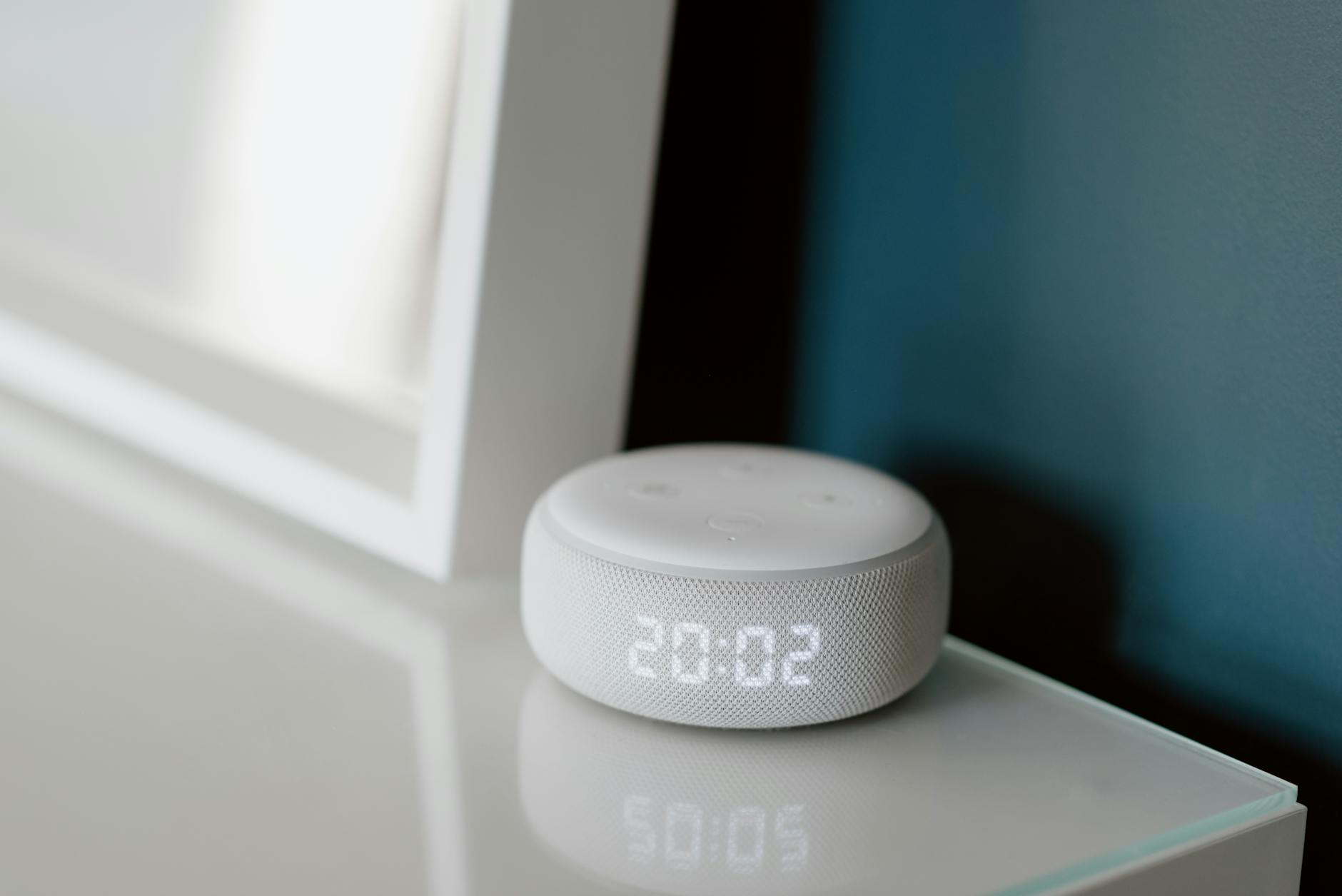
The performance benefits prove equally compelling. Smart home responses happen in milliseconds when processed locally rather than the seconds required for cloud round-trips. Light switches respond instantly to voice commands. Security alerts trigger immediately upon motion detection. Home automation scenes execute without internet latency.
Bandwidth conservation adds another advantage. A typical smart home generates gigabytes of sensor data monthly. Edge processing filters this information locally, sending only relevant insights to external services. A security system might analyze hours of footage locally but only upload clips containing actual motion.
Technical Challenges and Solutions
Heat management presents the biggest technical hurdle. Routers traditionally handled minimal processing, requiring basic cooling solutions. Edge computing demands sustained high-performance operation, generating significant heat in compact enclosures.
Manufacturers respond with advanced thermal designs. Larger heat sinks, improved airflow patterns, and thermal throttling protect components during peak loads. Some premium models include active cooling fans, previously unheard of in consumer routers.
Power consumption increases substantially with processing demands. Basic routers consume 5-10 watts continuously. Edge computing models require 20-40 watts under load. This impacts electricity costs and requires robust power supplies.
Battery backup becomes more critical as routers handle essential computing tasks. Traditional routers needed backup power only for internet connectivity. Edge computing routers now protect against data loss during power outages, similar to desktop computers.
Software complexity challenges average users. Edge computing requires managing applications, updates, and configurations beyond typical networking tasks. Manufacturers develop simplified interfaces, but power users still need technical knowledge for advanced deployments.
The industry responds with hybrid approaches. Some routers offer “edge computing lite” features – basic local processing with simplified management. Others target enthusiast markets with full Linux environments and professional-grade capabilities.
Industry Adoption and Future Developments
Major tech companies invest heavily in edge router development. Qualcomm’s networking division develops specialized chipsets combining traditional networking with edge computing capabilities. Broadcom integrates AI acceleration directly into networking silicon.
Internet service providers embrace edge computing routers as competitive advantages. Comcast’s xFi routers include edge computing features for security and parental controls. Verizon’s FWA routers process 5G data locally for gaming and streaming optimization.
The technology extends beyond consumer markets. Small business routers increasingly handle point-of-sale processing, inventory management, and customer analytics locally. Retail chains deploy edge computing routers to process transactions during internet outages.
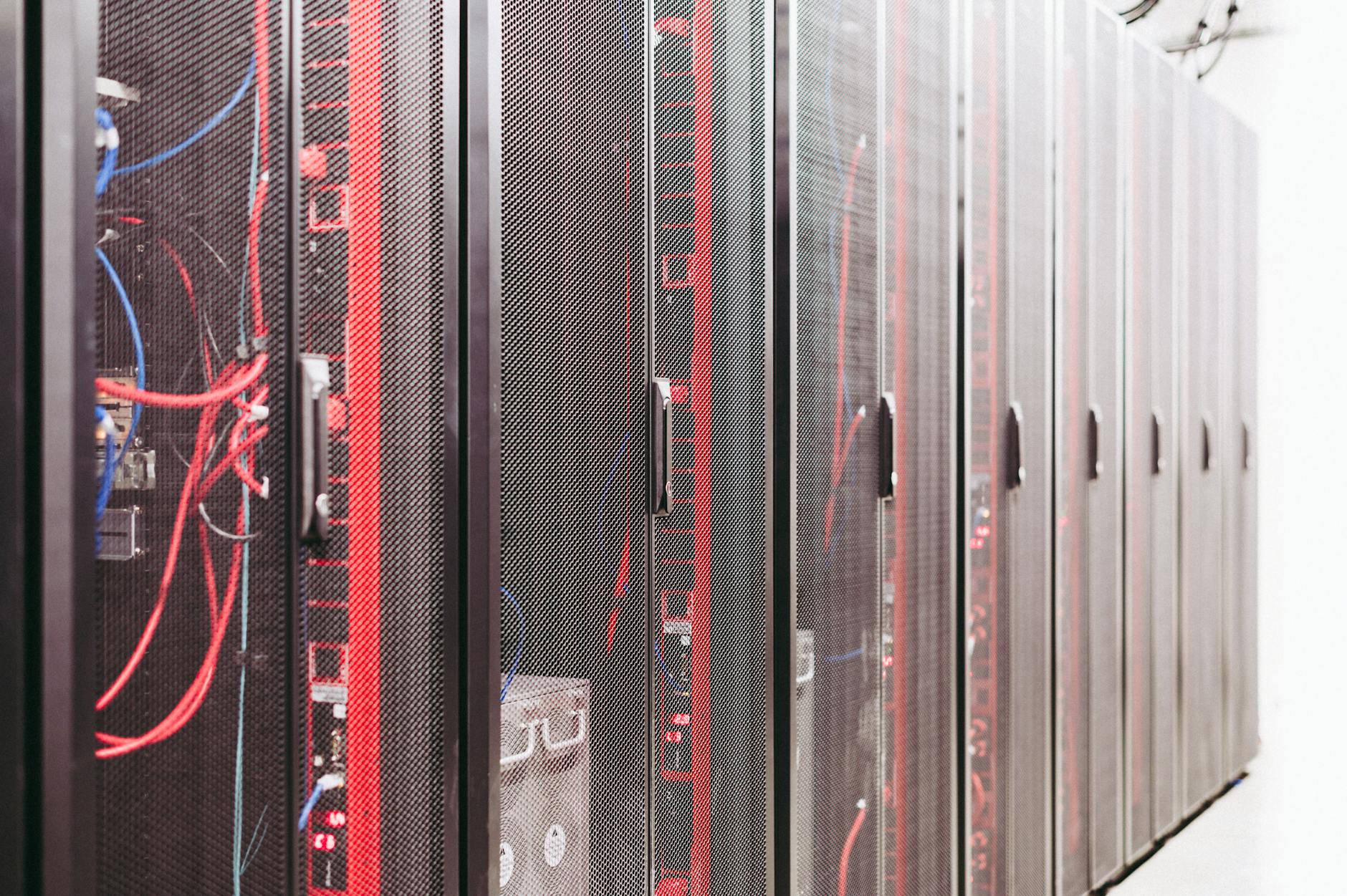
Integration with existing smart home ecosystems accelerates adoption. Amazon’s Alexa, Google Assistant, and Apple HomeKit now support local processing on compatible routers. Voice commands execute entirely within home networks, improving response times and privacy.
Looking ahead, edge computing routers will likely incorporate more specialized processors. Dedicated AI chips designed specifically for common smart home tasks could dramatically improve performance while reducing power consumption. Storage capabilities will expand as solid-state drives become more affordable.
The convergence of networking and computing continues reshaping home technology infrastructure. Tomorrow’s routers may serve as the primary computing platform for entire households, with traditional computers relegated to specialized tasks requiring maximum performance.
As ARM-based processors gain ground in desktop computing, their proven efficiency in router applications positions them well for broader adoption across computing platforms. The lessons learned from edge computing routers – balancing performance, power consumption, and thermal management – apply directly to future desktop and laptop designs.
Frequently Asked Questions
What is edge computing in routers?
Edge computing in routers means processing data locally on the router instead of sending it to distant cloud servers, providing faster responses and better privacy.
Do edge computing routers use more electricity?
Yes, edge computing routers typically consume 20-40 watts compared to 5-10 watts for basic routers due to their additional processing power and features.
