





The world’s most powerful molecular scissors are trading their white lab coats for work boots. CRISPR gene editing technology, once confined to sterile research facilities, is now transforming agriculture on actual farms across the globe. From drought-resistant corn in Kenya to extended-shelf-life tomatoes in Japan, this revolutionary tool is rewriting the DNA of our food system in real time.
CRISPR-Cas9 technology allows scientists to make precise cuts in DNA, essentially functioning as molecular word processing – deleting, adding, or replacing genetic letters with unprecedented accuracy. What makes this agricultural revolution particularly significant is speed. Traditional plant breeding takes decades to develop new varieties through cross-pollination and selection. CRISPR can achieve similar results in a fraction of the time, addressing urgent challenges like climate change, population growth, and food security.
The transition from laboratory curiosity to field reality represents one of the most significant technological shifts in agriculture since the Green Revolution of the 1960s. Unlike that earlier transformation, which relied primarily on chemical fertilizers and pesticides, the CRISPR revolution operates at the genetic level, promising more sustainable and targeted solutions to agricultural challenges.
Regulatory Approval Paves the Way
The agricultural deployment of CRISPR gained serious momentum when regulatory agencies began distinguishing between traditional genetic modification and gene editing. The key difference lies in the final product: while GMOs introduce foreign DNA from other species, CRISPR typically makes changes that could theoretically occur naturally or through conventional breeding – just much faster.
The United States Department of Agriculture was among the first to embrace this distinction. In 2018, the USDA announced it would not regulate CRISPR-edited crops the same way as traditional GMOs, provided they don’t contain foreign genetic material. The European Union initially took a more cautious approach but has been gradually warming to gene editing, with new legislation expected to differentiate between GMOs and gene-edited crops.
Japan has emerged as a leader in CRISPR crop commercialization. The country approved gene-edited tomatoes with higher levels of GABA, a compound linked to relaxation and lower blood pressure. These tomatoes, developed by Sanatech Seed Company, became some of the first CRISPR-edited foods sold directly to consumers when they launched in 2021.
Other nations are following suit. Canada treats gene-edited crops similarly to the U.S., focusing on the final product rather than the process used to create it. Brazil has approved several gene-edited crops, including soybeans with modified oil content. Even traditionally GMO-skeptical countries like Australia have begun updating their regulations to accommodate gene editing technologies.
This regulatory shift reflects growing scientific consensus that precise gene editing poses fewer risks than introducing entirely foreign genes. The changes are also pragmatic – trying to regulate CRISPR-edited crops the same way as traditional GMOs would be nearly impossible to enforce, since many gene edits are indistinguishable from natural mutations.
Real-World Applications Taking Root
The most compelling CRISPR success stories are emerging from partnerships between agricultural companies and research institutions worldwide. DowDuPont’s Corteva Agriculture division has developed CRISPR-edited corn with improved yield potential, while Benson Hill is using the technology to create soybeans with enhanced protein content for animal feed.
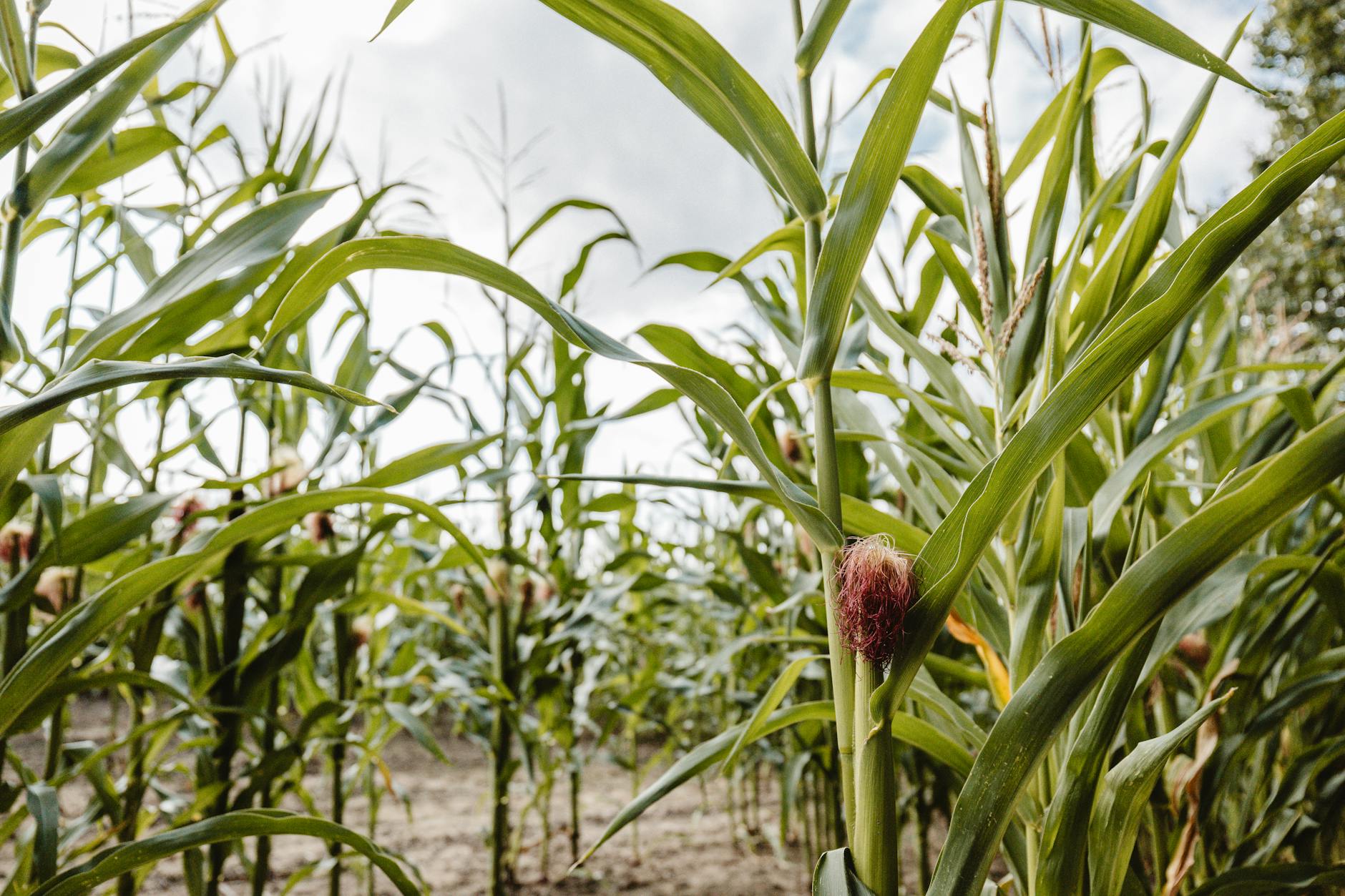
In Africa, the Kenya Agricultural and Livestock Research Organization is field-testing CRISPR-edited corn varieties designed to withstand prolonged drought conditions. These crops could be game-changers in regions where climate change has made traditional farming increasingly difficult. The edited corn maintains higher yields even when water is scarce, potentially preventing food shortages in vulnerable communities.
Calyxt, one of the first companies to commercialize gene-edited crops, developed high oleic soybeans with healthier oil profiles. Their soybeans produce oil with reduced saturated fat and no trans fats, addressing consumer demand for healthier cooking oils. The company has also created wheat with reduced gluten content and potatoes that produce less acrylamide when fried – a compound linked to cancer concerns.
Pairwise, backed by agricultural giant Monsanto, is taking CRISPR in unexpected directions. The company is developing leafy greens that taste better and last longer, cherry tomatoes that don’t lose their stems during transport, and berries with enhanced nutritional profiles. Their approach focuses on consumer benefits rather than just farmer advantages.
Startup companies are also making significant contributions. Inari Agriculture uses CRISPR to develop crops with improved nitrogen use efficiency, potentially reducing farmers’ fertilizer costs and environmental impact. Their approach mirrors innovations in other sectors, where climate scientists are using gaming graphics cards for weather modeling – applying existing technology in novel ways to address environmental challenges.
The technology is particularly valuable for addressing “orphan crops” – important regional foods that receive little attention from major agricultural companies. Researchers are using CRISPR to improve cassava, a staple food for 800 million people, making it more nutritious and resistant to viral diseases that can devastate harvests.
Overcoming Technical and Economic Challenges
Despite promising developments, moving CRISPR from laboratory to field involves significant hurdles. The technology works differently in various plant species, requiring customized approaches for each crop. What works for tomatoes may not work for wheat, and what succeeds in soybeans might fail in rice.
Delivery remains a major technical challenge. Getting CRISPR components into plant cells requires sophisticated methods like particle bombardment or bacterial infection. These processes don’t work equally well for all crops, and success rates can vary dramatically. Some plants regenerate easily from edited cells, while others struggle to grow into healthy adult plants.
Economic considerations also shape CRISPR’s agricultural adoption. Developing and testing new varieties still requires substantial investment, even with faster development times. Regulatory approval, while streamlined compared to traditional GMOs, still involves extensive documentation and testing. These costs favor larger companies and well-funded research institutions over smaller players.
Intellectual property issues add another layer of complexity. While the fundamental CRISPR patents are widely licensed, specific applications often involve proprietary methods and techniques. Companies must navigate patent landscapes carefully to avoid infringement while protecting their innovations.
Public acceptance varies significantly by region and application. While Japanese consumers readily embraced GABA-enhanced tomatoes, European consumers remain more skeptical of any genetic modification. Educational efforts and transparent communication about benefits and safety are essential for broader acceptance.
Farmer adoption depends heavily on clear economic advantages. Gene-edited crops must offer tangible benefits – higher yields, reduced input costs, improved quality, or easier management – to justify any premium pricing or learning curves associated with new varieties.
Environmental and Sustainability Benefits
CRISPR’s environmental advantages are driving much of the agricultural interest. Gene-edited crops can reduce pesticide use by incorporating natural resistance mechanisms. Instead of spraying chemicals to control fungal diseases, farmers can plant varieties with enhanced immune systems.
Water conservation represents another significant benefit. Drought-resistant crops developed through CRISPR can maintain productivity with less irrigation, crucial in water-stressed regions. These varieties don’t just survive drought – they actively thrive in dry conditions by modifying root systems, leaf structure, or metabolic processes.
Climate adaptation is becoming increasingly important as weather patterns become more unpredictable. CRISPR can accelerate development of crops adapted to changing conditions – higher temperatures, altered precipitation patterns, increased storm intensity, or shifting pest populations. Traditional breeding would take too long to keep pace with rapidly changing climate conditions.
Nutrient efficiency improvements could reduce agricultural runoff and water pollution. Crops that use nitrogen more efficiently require less fertilizer, reducing costs for farmers and environmental damage from agricultural runoff. This approach addresses sustainability concerns while maintaining agricultural productivity.
The technology also enables development of crops with enhanced nutritional content, potentially addressing global malnutrition without requiring additional land use. Golden rice enhanced with vitamin A precursors represents an early example, though it used traditional genetic modification rather than CRISPR techniques.
The future of CRISPR in agriculture looks increasingly promising as technical capabilities expand and regulatory frameworks mature. Next-generation gene editing tools promise even greater precision and efficiency. Base editing and prime editing techniques can make single-letter changes to genetic code without creating double-strand breaks, reducing unwanted side effects.
Multiplexed editing – making multiple changes simultaneously – could accelerate crop improvement even further. Instead of developing single-trait varieties over multiple breeding cycles, scientists could potentially create crops with numerous beneficial traits in a single generation.
As costs continue falling and success rates improve, CRISPR technology will likely become accessible to smaller companies and developing nations. This democratization could lead to innovations tailored to local needs and conditions, rather than one-size-fits-all solutions from major agricultural companies.
The integration of CRISPR with other emerging technologies – artificial intelligence, robotics, precision agriculture – suggests even greater transformative potential. These convergent innovations could reshape agriculture as fundamentally as mechanization did in the previous century, creating more sustainable, efficient, and resilient food systems for a growing global population.
Frequently Asked Questions
How is CRISPR different from traditional GMOs in agriculture?
CRISPR typically makes changes that could occur naturally or through breeding, while GMOs introduce foreign DNA from other species.
Which countries have approved CRISPR-edited crops for commercial use?
The United States, Japan, Canada, Brazil, and Australia have approved various CRISPR-edited crops, with the EU updating regulations.