




Sony’s PlayStation 5 Pro announcement earlier this year sparked industry-wide speculation about the future of console upgrades. While traditional consoles have maintained their closed-system approach for decades, mounting pressure from PC gaming’s flexibility is forcing manufacturers to reconsider their strategies. The rise of modular upgrade systems represents gaming’s next evolutionary step.
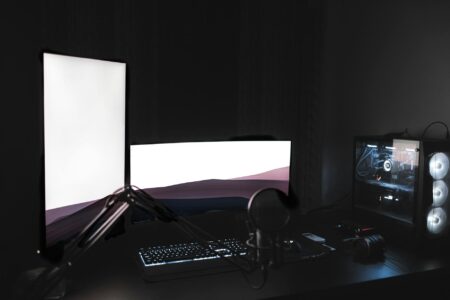
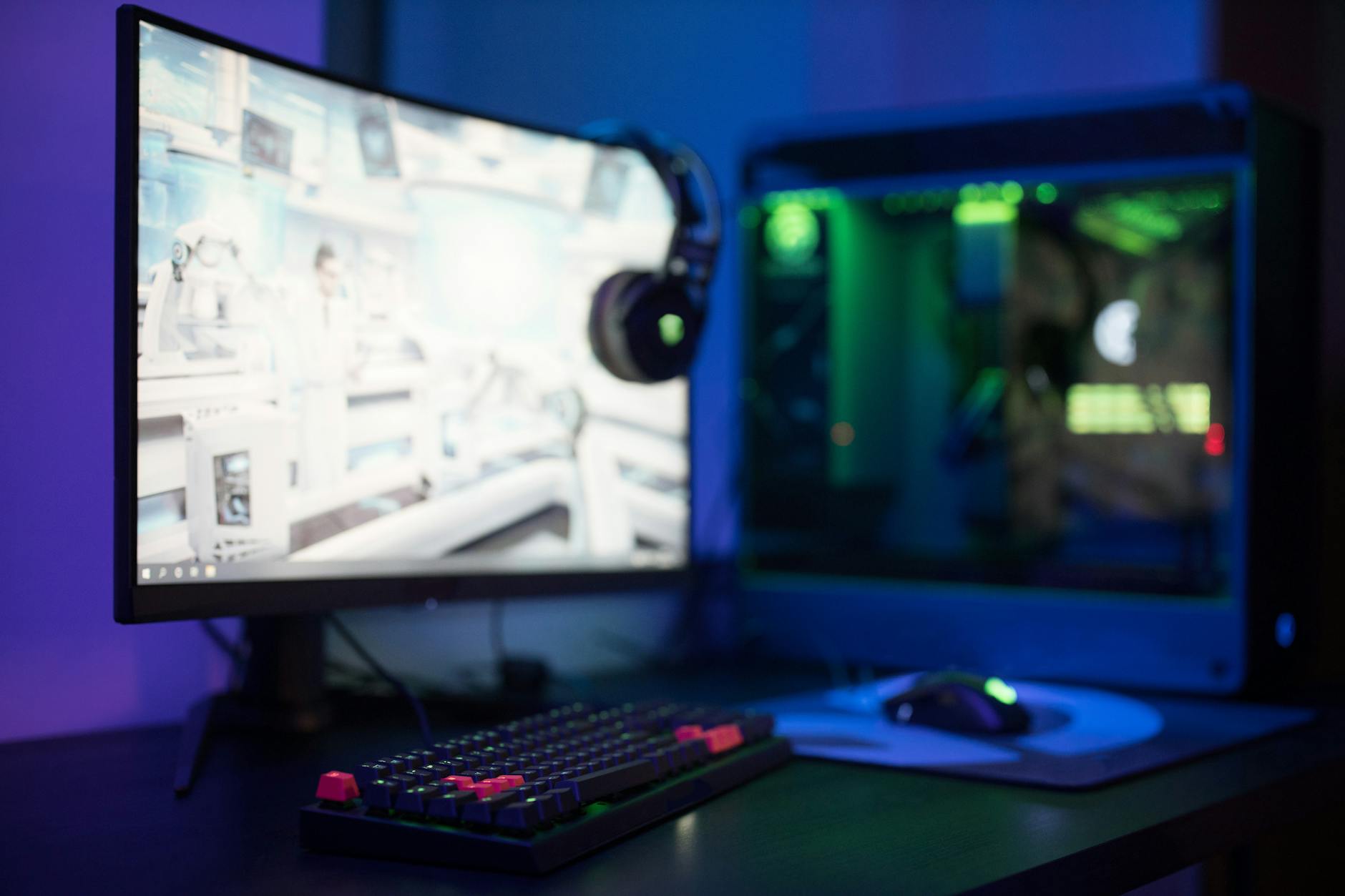
PC gaming has experienced unprecedented growth, with Steam reaching over 130 million monthly active users. The platform’s appeal lies partly in its upgrade flexibility – gamers can swap graphics cards, add RAM, or replace storage drives without buying entirely new systems. This adaptability has become increasingly attractive as game requirements continue climbing and hardware costs rise.

The Hardware Evolution Driving Change
Console manufacturers face a unique challenge: maintaining their traditional five to seven-year hardware cycles while competing against constantly evolving PC specifications. Modern AAA games like Cyberpunk 2077 and Hogwarts Legacy demand significant processing power, pushing even current-generation consoles to their limits when running at 4K resolution with ray tracing enabled.
Microsoft has already experimented with this concept through the Xbox Series X and Series S dual-release strategy. The Series S offers a lower-cost entry point with reduced specifications, while the Series X targets premium performance. This approach allows Microsoft to capture different market segments while testing consumer appetite for hardware variation within a single console generation.
Sony’s approach with the PS5 Pro suggests a similar strategy. The enhanced console targets enthusiasts willing to pay premium prices for improved performance, particularly in ray tracing and 4K gaming scenarios. Industry analysts suggest this represents a testing ground for more extensive modular approaches in future generations.
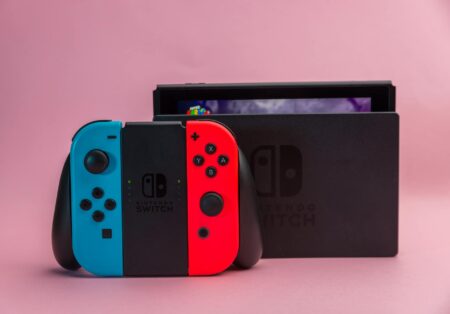
Nintendo has taken a different path with the Switch OLED model, focusing on display and storage improvements rather than processing power upgrades. However, the company’s hybrid portable-console design already demonstrates modular thinking through its detachable Joy-Con controllers and dock system.
Technical Challenges Behind Modular Console Design
Implementing true modular upgrades in consoles presents significant engineering challenges that PC manufacturers have spent decades solving. Console makers optimize their systems for specific hardware configurations, ensuring consistent performance across millions of identical units. Introducing variability complicates this optimization process substantially.
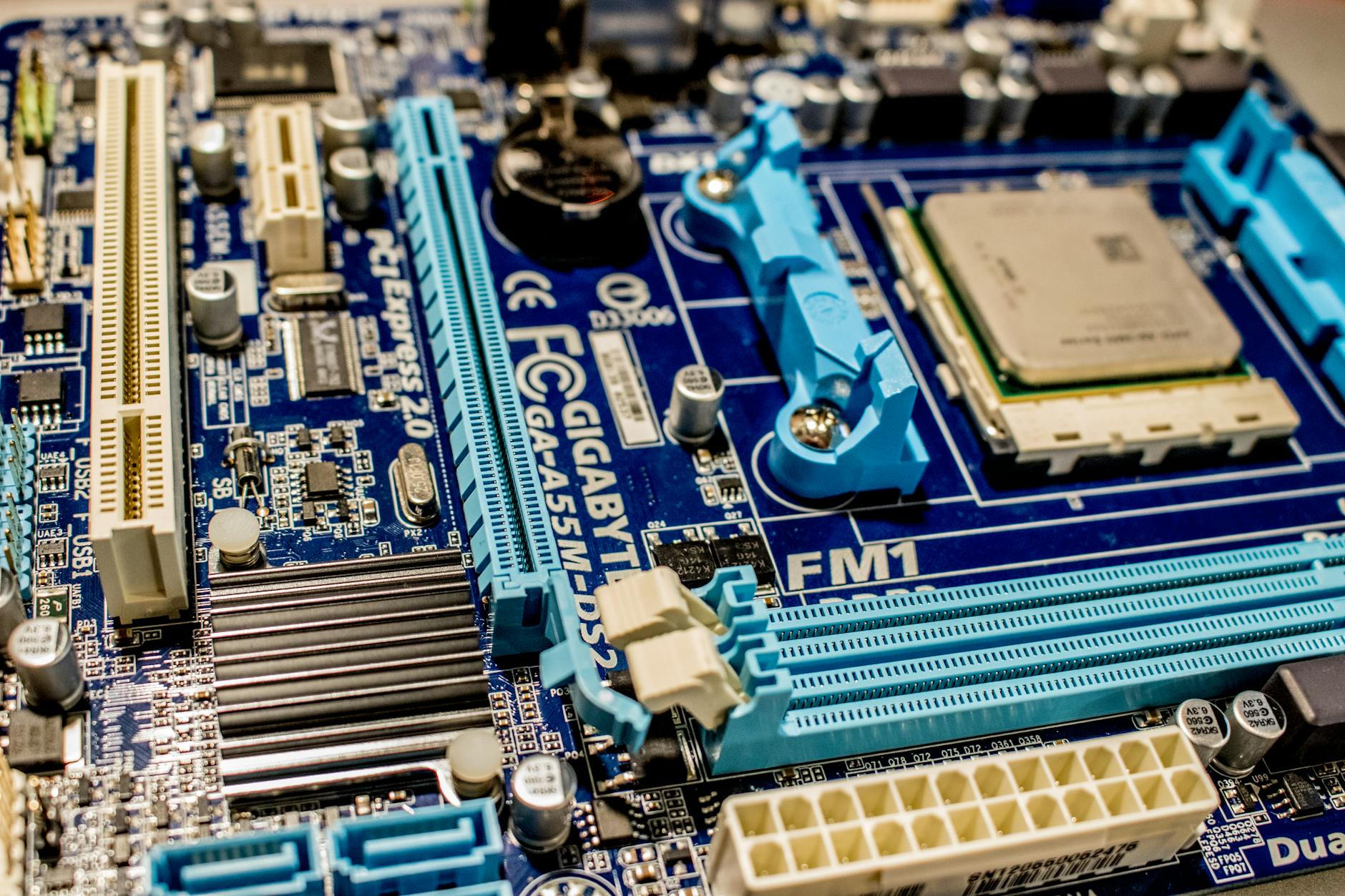
Graphics processing represents the most logical starting point for modular console upgrades. AMD, which supplies custom chips for both PlayStation and Xbox systems, has developed technologies that could enable swappable GPU modules. Their RDNA architecture already supports variable configurations, and the company has experience creating custom solutions for different performance targets.
Memory and storage upgrades present fewer compatibility challenges. Both current-generation PlayStation and Xbox consoles support NVMe SSD expansion, though Sony requires specific drives that meet their performance specifications. This selective compatibility approach could extend to other components in future modular systems.
Cooling systems would require significant redesign to accommodate variable component configurations. Current console cooling solutions are precisely engineered for their fixed hardware specifications. Modular systems would need adaptive cooling capable of handling different thermal loads depending on installed components.
Market Forces Pushing Console Evolution
The economic landscape of gaming hardware has shifted dramatically over the past five years. Semiconductor shortages, rising manufacturing costs, and increased competition from mobile gaming platforms have pressured traditional console business models. Modular upgrades could provide new revenue streams while extending console lifespans.
Professional esports has emerged as a significant market driver. Competitive gamers demand consistent high-performance hardware, and professional esports athletes are increasingly focused on optimizing every aspect of their gaming setup. Modular consoles could capture this market segment more effectively than current fixed-specification systems.
Cloud gaming services like Xbox Game Pass Ultimate and PlayStation Now have created new performance expectations. Gamers can now stream high-end games on lower-powered devices, making local hardware upgrades more attractive for reducing latency and improving visual quality. This creates market pressure for more flexible local hardware solutions.
The growing indie game development scene has also influenced hardware requirements. Studios using iPhone face tracking technology for game development represent just one example of how development tools are becoming more accessible, leading to diverse game performance requirements that modular systems could better accommodate.
Industry Predictions and Consumer Response
Early consumer research suggests mixed reactions to modular console concepts. Enthusiast gamers express strong interest in upgrade options, particularly for graphics and storage components. However, mainstream consumers value the simplicity and reliability of traditional console systems.
Price sensitivity remains a major concern. Console manufacturers traditionally sell hardware at a loss, recouping costs through game sales and subscriptions. Modular systems could disrupt this model, potentially requiring higher upfront costs or more expensive upgrade components.
Manufacturing partnerships will prove crucial for successful modular console implementation. Companies like ASUS and MSI have extensive experience producing modular PC components, and partnerships with console manufacturers could accelerate development timelines while leveraging existing supply chains.
The timeline for mainstream modular console adoption likely extends into the next console generation, expected around 2028-2030. Current-generation systems will probably continue using the mid-generation refresh approach seen with the PS5 Pro and potential Xbox Series X refresh models.
Developer support represents another critical factor. Game developers must optimize their titles for variable hardware configurations, similar to PC development but within more controlled parameters. This requires new development tools and testing procedures that console manufacturers will need to provide.
The success of modular console systems will ultimately depend on striking the right balance between upgrade flexibility and the plug-and-play simplicity that has defined console gaming for decades. As PC gaming continues growing and hardware costs rise, console manufacturers face increasing pressure to evolve their traditional approaches.
The next five years will determine whether modular upgrades become gaming’s future or remain a niche enthusiast feature. With major manufacturers already testing enhanced models and consumer interest in hardware customization growing, the foundation for this evolution is already taking shape.
Frequently Asked Questions
What are modular console upgrades?
Hardware components that can be swapped or upgraded individually, similar to PC gaming but within a console framework.
When will modular consoles be available?
Industry experts predict mainstream adoption around 2028-2030 with the next console generation.