


Scientists drilling through Antarctic ice sheets are uncovering climate secrets spanning hundreds of thousands of years. Each cylindrical core extracted from the frozen continent contains atmospheric snapshots that reveal how Earth’s climate has shifted through ice ages, volcanic eruptions, and atmospheric changes long before human civilization began recording weather patterns.
Antarctic ice cores serve as nature’s most detailed climate archive. As snow falls and compresses into ice over millennia, it traps air bubbles containing ancient atmospheric gases. These frozen time capsules preserve carbon dioxide levels, methane concentrations, and temperature data stretching back nearly 800,000 years. Recent drilling projects have reached depths exceeding 3,000 meters, with each meter representing roughly 100 years of climate history.
The data emerging from these cores is reshaping scientific understanding of how quickly climate systems can change and what triggers major shifts in global weather patterns.
Revolutionary Drilling Technology Reaches Deeper Into Time
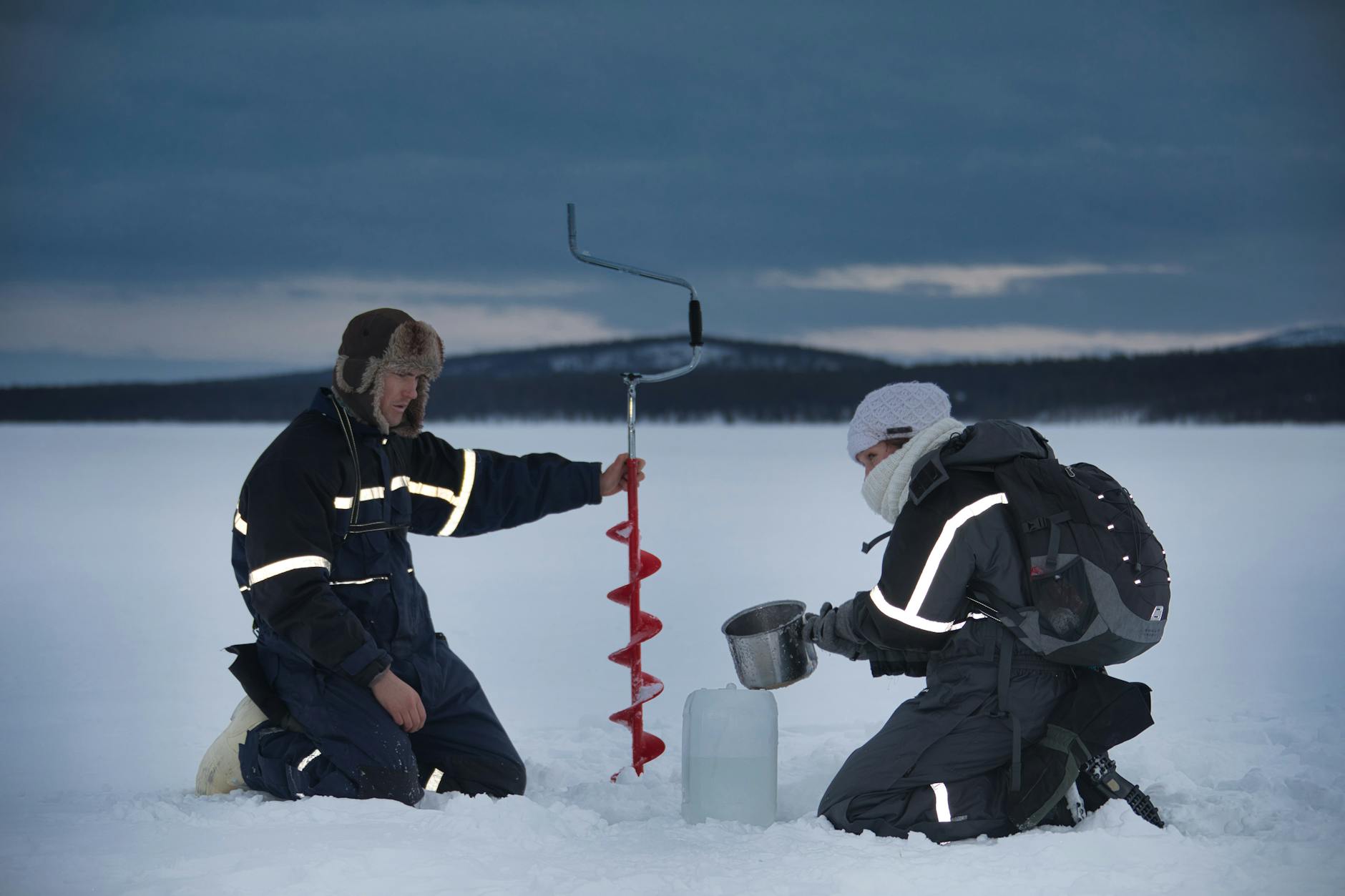
Modern ice core extraction relies on precision drilling systems that can operate in Antarctica’s extreme conditions. Researchers use specialized hollow drill bits that cut perfect cylinders while preserving the delicate structure of trapped air bubbles. The European Project for Ice Coring in Antarctica recently completed drilling operations that retrieved cores representing climate data from multiple ice ages.
These drilling operations face significant technical challenges. Temperatures drop below minus 40 degrees Celsius, and drilling fluid must prevent the borehole from collapsing while maintaining the integrity of ancient ice layers. Teams work in rotating shifts during the brief Antarctic summer, when 24-hour daylight provides optimal working conditions.
The precision required for core extraction has improved dramatically over recent decades. Early ice core research in the 1960s could only access surface layers representing a few thousand years. Today’s drilling technology reaches bedrock, accessing ice that formed during the Mid-Pleistocene Transition when Earth’s ice age cycles shifted from 41,000-year patterns to 100,000-year cycles.
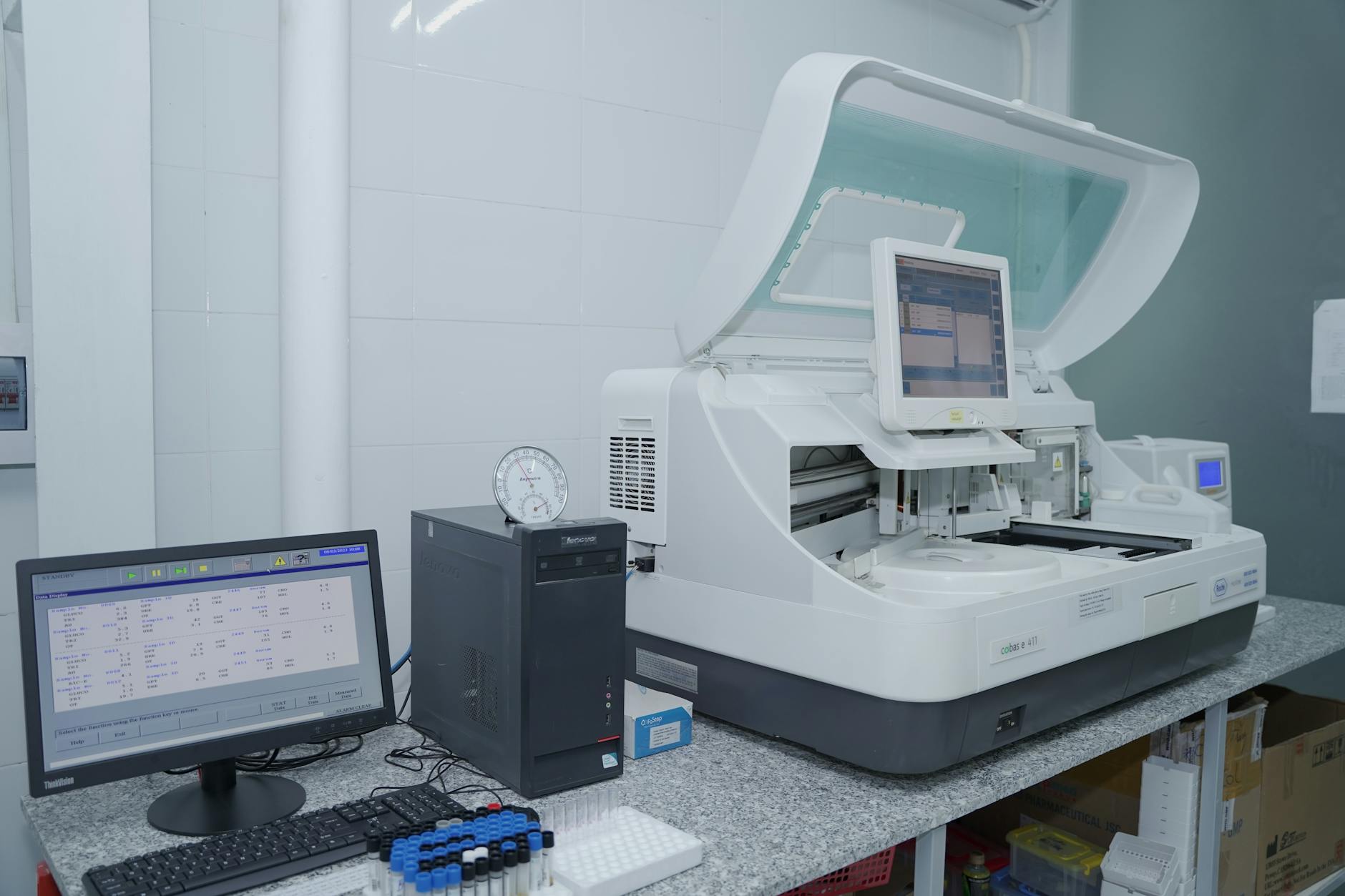
Scientists transport these cores in frozen storage containers to laboratories worldwide. The National Ice Core Laboratory in Colorado houses over 20,000 meters of ice cores, while similar facilities in Europe and Asia analyze samples using mass spectrometry and gas chromatography to measure trace gases with extraordinary precision.
Decoding Ancient Atmospheric Chemistry
Ice core analysis reveals atmospheric compositions that predate human industrial activity by hundreds of millennia. Carbon dioxide levels fluctuated between 180 and 300 parts per million throughout natural ice age cycles, compared to current levels exceeding 420 parts per million. These measurements provide baseline data for understanding how greenhouse gas concentrations varied before fossil fuel combustion began.
Methane concentrations in ancient ice show similar patterns, rising and falling with changing wetland distributions and ice sheet coverage. During interglacial periods, when global temperatures warmed, methane levels increased as wetlands expanded and permafrost thawed. These natural variations help scientists separate human-caused atmospheric changes from natural climate cycles.
Beyond greenhouse gases, ice cores contain dust particles, volcanic ash, and chemical signatures from major climate events. The 1815 Mount Tambora eruption appears clearly in Antarctic ice cores as sulfuric acid spikes that correspond to the “Year Without a Summer” in 1816. Saharan dust patterns reveal changes in wind systems and precipitation across Africa over thousands of years.
Isotope analysis of ice crystals themselves provides temperature reconstructions. The ratio of oxygen-18 to oxygen-16 in ice varies with the temperature when snow originally fell. This technique has revealed that some prehistoric climate transitions occurred within decades rather than centuries, suggesting climate systems can shift more rapidly than previously understood.
Research teams are now combining ice core data with satellite observations and computer modeling to understand how prehistoric climate patterns might inform current warming trends. The precision of these measurements continues improving as analytical techniques advance and drilling operations access even older ice layers.
Unexpected Discoveries Challenge Climate Models
Recent ice core research has revealed climate behaviors that surprised scientists and challenged existing models. The Antarctic Cold Reversal, a cooling period that occurred roughly 14,000 years ago while the Northern Hemisphere warmed, demonstrates that climate systems in different regions can respond differently to the same forcing mechanisms.
Dansgaard-Oeschger events, rapid warming and cooling cycles lasting decades to centuries, appear frequently in ice core records from the last ice age. These sudden climate shifts, some occurring within single decades, show that stable climate periods can transition quickly to dramatically different states. The discovery of these rapid transitions has prompted researchers to examine whether similar abrupt changes could occur in current climate systems.
Ice cores also reveal periods when atmospheric circulation patterns differed significantly from modern conditions. During the Last Glacial Maximum approximately 21,000 years ago, westerly winds in the Southern Hemisphere shifted northward by several degrees latitude, altering precipitation patterns across South America and Australia in ways that current climate models struggle to reproduce accurately.
Some of the most intriguing discoveries involve prehistoric volcanic activity that doesn’t correspond to known eruptions. Ice cores contain sulfuric acid spikes from massive volcanic events that left no other geological record, suggesting major eruptions occurred that scientists have yet to identify. These unknown eruptions caused temporary global cooling events that lasted several years.
Similar research techniques are now being applied to extraterrestrial studies. Just as SpaceX’s Starship missions are enabling Mars soil analysis experiments, ice core methodology could potentially analyze frozen materials on other planets to understand their climate histories.
Implications for Future Climate Projections
Ice core data provides crucial information for improving climate models and understanding how natural systems respond to changing atmospheric conditions. The speed of some prehistoric climate transitions suggests that tipping points in Earth’s climate system may be crossed more rapidly than current projections indicate.
Paleoclimate researchers are particularly focused on periods when atmospheric carbon dioxide levels were similar to current concentrations. The Mid-Pliocene Warm Period, roughly 3 million years ago, had atmospheric CO2 levels comparable to today but global temperatures 2-3 degrees Celsius warmer. Ice core data from this period helps scientists understand how ice sheets, sea levels, and regional weather patterns might respond to sustained high greenhouse gas concentrations.
The research also reveals how climate systems recover from major disruptions. Following massive volcanic eruptions that temporarily cooled global temperatures, ice cores show how atmospheric chemistry and temperature patterns returned to baseline conditions over periods ranging from years to decades.
As drilling technology continues advancing, researchers expect to access ice cores representing climate data extending back over one million years. These deeper records will provide insights into how Earth’s climate system behaved during different orbital configurations and atmospheric compositions, offering crucial data for understanding long-term climate stability and change.
The integration of ice core research with modern climate monitoring creates an unprecedented view of how Earth’s climate system operates across multiple timescales, from seasonal variations to ice age cycles spanning hundreds of thousands of years.
Frequently Asked Questions
How far back do Antarctic ice cores show climate data?
Antarctic ice cores provide climate data extending back nearly 800,000 years, with recent drilling reaching deeper layers.
What information do ice cores contain about ancient climates?
Ice cores contain trapped atmospheric gases, temperature records, volcanic ash, and dust that reveal ancient climate conditions and rapid changes.
