


The smartwatch industry is experiencing its biggest shake-up since Apple introduced the first Watch. Major manufacturers are finally addressing what users have complained about for years: being locked into a single device configuration that can’t adapt to changing needs or technological advances.
Modular smartwatches represent a fundamental shift from the traditional “replace the whole device” model to a “swap what you need” approach. Companies like Blocks, Garmin, and even Samsung have begun exploring modular designs that let users customize their devices with interchangeable components. The concept isn’t entirely new – Project Ara attempted this with smartphones – but the smaller form factor and specific use cases of smartwatches make modularity more practical and appealing.
Early adopters are already seeing the benefits. Instead of buying a new $400 watch every two years, users can upgrade specific components as needed. A runner might swap in a more advanced GPS module, while a health enthusiast could upgrade to a newer heart rate sensor with better accuracy. The approach also addresses the environmental concerns of electronic waste, as users only replace components that wear out or become obsolete.

The Technology Behind Modular Components
Modular smartwatch design relies on standardized connection protocols and miniaturized component packaging. The most promising approaches use magnetic connectors or specialized snap-in mechanisms that maintain water resistance while allowing easy component swaps. Some manufacturers are implementing a “spine” architecture where the main processor and battery remain constant, while sensor modules, displays, and even straps with embedded technology can be changed.
The display modules present the most interesting possibilities. Users can swap between e-ink displays for maximum battery life, OLED screens for vibrant colors, or even specialized displays optimized for outdoor visibility. Some prototypes feature modular display segments that can be arranged in different configurations – imagine building your own watch face layout with physical components rather than just software customization.
Sensor modularity opens up entirely new use cases. A base watch might include basic fitness tracking, but users could add specialized modules for advanced health monitoring, environmental sensing, or even professional-grade GPS for outdoor adventures. The approach mimics how photographers build camera systems with interchangeable lenses, but applied to wearable technology.
Real-World Applications and Market Response
The modular approach is gaining traction in specific market segments where customization matters most. Professional athletes and fitness enthusiasts represent early adopters, as they often need specialized sensors that general-purpose smartwatches don’t include. Construction workers and outdoor professionals also show strong interest, as they could swap in ruggedized components for work environments while using standard modules for daily wear.
Healthcare applications drive some of the most compelling use cases. Medical device companies are developing FDA-approved sensor modules that can snap into consumer smartwatch platforms, potentially turning everyday wearables into legitimate medical monitoring devices. This approach could accelerate the integration of advanced health monitoring into mainstream devices without requiring complete device redesigns.
The gaming and entertainment industries are exploring modular watches for AR and VR applications. Haptic feedback modules, specialized motion sensors, and even miniaturized cameras could transform smartwatches into powerful gaming controllers or content creation tools. This flexibility allows manufacturers to target multiple markets with a single platform rather than developing separate devices for each use case.
Manufacturing Challenges and Design Trade-offs
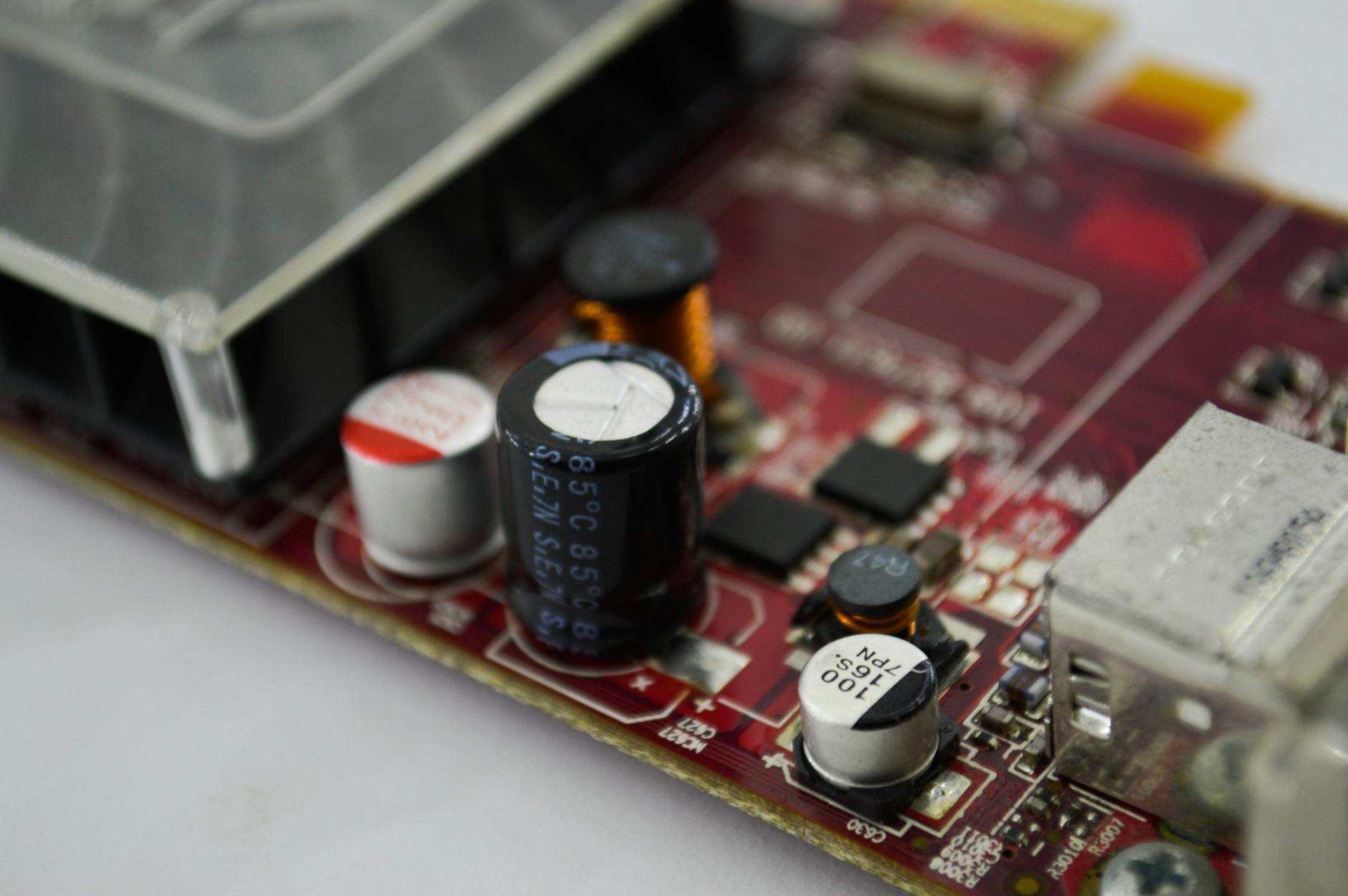
Despite the appeal, modular smartwatches face significant engineering challenges. Waterproofing becomes exponentially more difficult when devices have multiple connection points that users regularly disconnect and reconnect. Manufacturers must balance ease of use with environmental protection, often requiring complex sealing mechanisms that add bulk and cost.
Power management presents another hurdle. Traditional smartwatches optimize power consumption by tightly integrating all components. Modular designs must account for varying power requirements of different modules while maintaining acceptable battery life. Some solutions use distributed battery systems where modules include their own power sources, but this approach adds complexity and weight.
The miniaturization required for smartwatch modularity pushes manufacturing capabilities to their limits. Components must be small enough to fit in a wearable form factor while robust enough to survive repeated connection cycles. This often means accepting trade-offs in performance or battery life compared to integrated designs.
Cost remains a significant barrier. While modular watches offer long-term value through upgradeable components, the initial investment is typically higher than traditional smartwatches. The specialized connectors, precision manufacturing requirements, and smaller production volumes all contribute to increased costs that manufacturers must somehow absorb or pass to consumers.
The Future of Wearable Modularity
Industry analysts predict that modular design principles will eventually influence all wearable categories, not just smartwatches. The concept aligns with broader technology trends toward sustainability and customization that appeal to younger consumers. As manufacturing costs decrease and standardization improves, modular wearables could become the norm rather than the exception.
The integration with emerging sensor technologies offers the most exciting possibilities. Rather than waiting for manufacturers to integrate new capabilities, users could add cutting-edge sensors as they become available. This could accelerate the adoption of new monitoring technologies and create more dynamic product ecosystems.
Major technology companies are reportedly investing heavily in modular platforms, recognizing that the approach could extend product lifecycles and increase customer loyalty. Apple’s recent patent filings suggest interest in modular designs, while Google’s Wear OS updates include new APIs specifically designed to support swappable hardware components.
The modular smartwatch revolution represents more than just a new product category – it signals a fundamental shift toward user-controlled technology evolution. As consumers become more environmentally conscious and demanding of personalization, the ability to upgrade and customize devices rather than replace them entirely will likely become a competitive necessity. The companies that master modular design first will shape how we think about wearable technology for the next decade.
Frequently Asked Questions
What are modular smartwatch components?
Interchangeable parts like sensors, displays, and modules that users can swap to customize their smartwatch capabilities without buying a new device.
Are modular smartwatches waterproof?
Most use specialized sealing mechanisms to maintain water resistance despite having removable components, though this varies by manufacturer and design.
