


Scientists are growing wood in laboratories, and it could fundamentally change how we manufacture electronics. Researchers at MIT and other institutions have successfully cultivated wood-like materials in controlled environments, creating sustainable alternatives to petroleum-based plastics currently flooding electronic device production.
The breakthrough comes as electronics manufacturers face mounting pressure to reduce their environmental impact. Traditional plastics used in smartphone cases, laptop housings, and circuit board substrates take centuries to decompose. Meanwhile, lab-grown wood alternatives can be engineered with specific properties while remaining biodegradable.

How Scientists Grow Wood Without Trees
The process begins with plant cells extracted from wood tissue, typically from fast-growing species like poplar or pine. These cells are placed in a nutrient-rich bioreactor where they multiply and develop into wood-like structures without the need for soil, sunlight, or decades of growth.
Researchers can control the density, grain pattern, and mechanical properties of this lab-grown material by adjusting growth conditions. Temperature, pH levels, and nutrient concentrations all influence the final product’s characteristics. Some experiments have produced materials harder than traditional hardwoods, while others focus on flexibility suitable for bendable electronics.
The Massachusetts Institute of Technology team has demonstrated growing wood materials in just a few weeks that would typically require trees to grow for years. Their approach involves manipulating cellular growth patterns to create materials optimized for specific applications rather than mimicking natural wood structures exactly.
Electronics Applications Show Promise
Major electronics manufacturers are already testing lab-grown wood materials for various components. Smartphone manufacturers have experimented with bio-based housings that offer similar drop protection to traditional plastics while being completely compostable.
Circuit board substrates represent another significant opportunity. Traditional fiberglass boards contain harmful chemicals and create toxic waste during disposal. Lab-grown wood alternatives can be engineered to provide necessary electrical insulation while breaking down safely in industrial composting facilities.
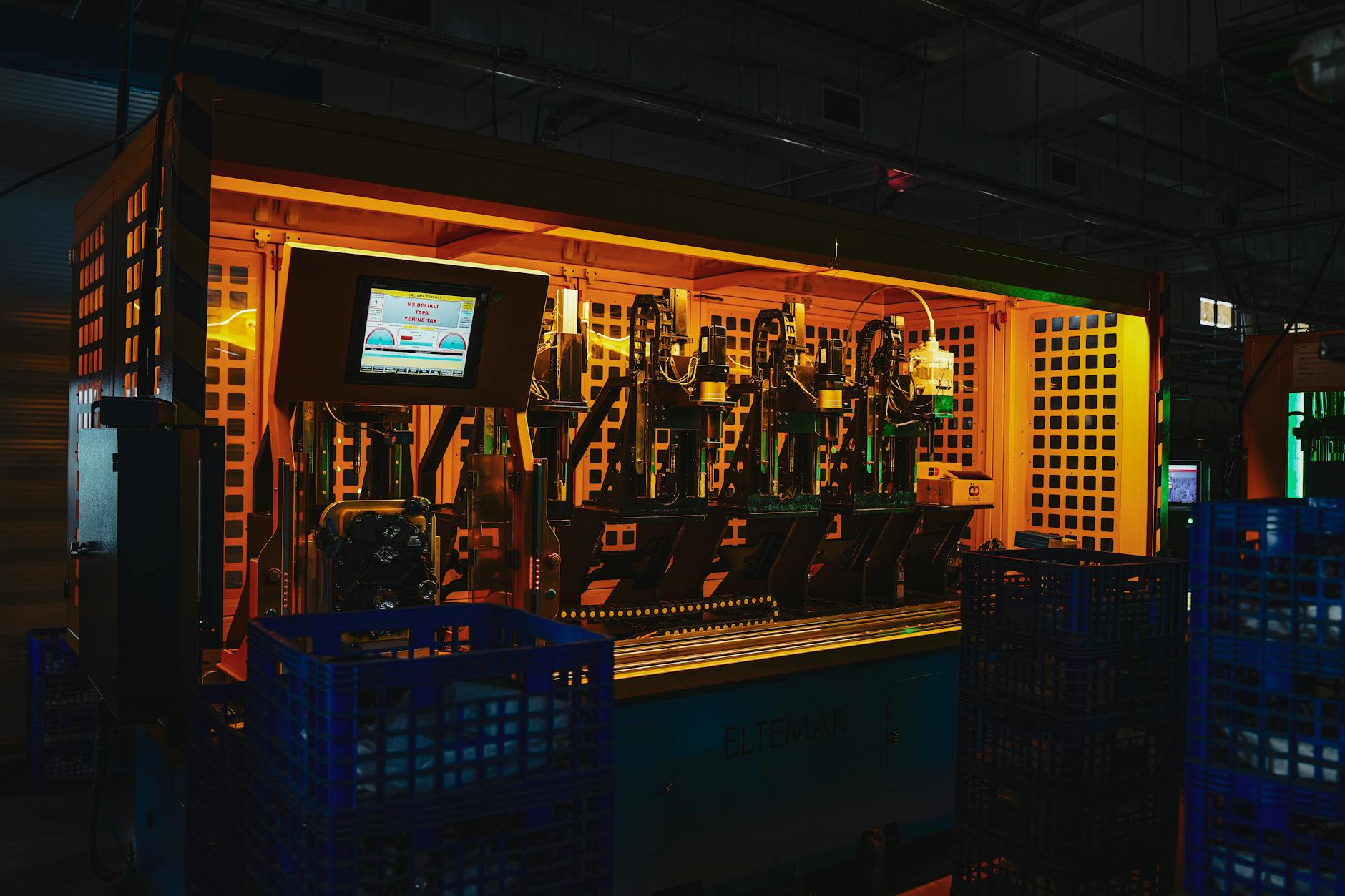
The automotive electronics sector shows particular interest in these materials. Car manufacturers seek sustainable alternatives for dashboard electronics, infotainment systems, and sensor housings as they work toward carbon-neutral vehicle production. Lab-grown wood materials can be tailored to meet automotive industry standards for durability and fire resistance.
Laptop and computer manufacturers are testing bio-based materials for device enclosures. These applications require materials that dissipate heat effectively while maintaining structural integrity. Researchers have developed lab-grown wood composites that match or exceed traditional plastic performance in thermal management tests.
Overcoming Manufacturing Challenges
Scale remains the primary obstacle for widespread adoption. Current lab-grown wood production occurs in small batches suitable for research and prototyping. Scaling to industrial levels requires significant investment in bioreactor facilities and production infrastructure.
Cost competitiveness presents another hurdle. While traditional plastics benefit from decades of manufacturing optimization and petroleum industry economies of scale, lab-grown wood production currently costs significantly more per unit. However, projections suggest costs could become competitive as production scales increase and petroleum prices rise.
Quality consistency challenges mirror those faced by other biotechnology manufacturing processes. Natural biological systems can introduce variability that electronics manufacturers typically avoid through precise synthetic materials. Research focuses on standardizing growth conditions and developing quality control methods that ensure consistent material properties.

Processing compatibility with existing manufacturing equipment requires adaptation. Electronics assembly lines designed for petroleum-based plastics may need modifications to handle bio-based materials effectively. This includes adjustments to molding temperatures, cutting tools, and surface treatment processes.
Industry Adoption Timeline
Several startups are working to commercialize lab-grown wood materials for electronics applications. Companies like Ecovative and Modern Meadow have secured partnerships with major manufacturers to develop specific material formulations for consumer electronics.
Pilot programs are underway at electronics manufacturers in Asia, where much of global production occurs. These initiatives focus on non-critical components initially, allowing manufacturers to test bio-based materials without risking core product performance.
Regulatory approval processes for bio-based electronics materials are advancing in multiple regions. The European Union’s circular economy initiatives particularly favor sustainable material alternatives, potentially accelerating adoption in that market.
The timeline for widespread implementation likely extends over the next decade. Initial commercial applications will probably focus on less demanding uses like packaging and non-structural components before advancing to critical electronic elements.
As research continues advancing and production costs decrease, lab-grown wood alternatives could transform electronics manufacturing from a petroleum-dependent industry into one built on renewable, biodegradable materials. The intersection of biotechnology and electronics manufacturing represents a significant step toward sustainable consumer technology production.
Frequently Asked Questions
How long does it take to grow wood in a laboratory?
Lab-grown wood can be produced in weeks compared to years for traditional tree growth, with controlled conditions optimizing material properties.
Can lab-grown wood match plastic performance in electronics?
Research shows lab-grown wood can be engineered to meet or exceed plastic performance while remaining biodegradable and sustainable.
