


Scientists at several research institutions are developing methods to produce rare earth elements in laboratory settings, potentially reducing the electronics industry’s dependence on environmentally destructive mining operations. These elements, critical for manufacturing smartphones, computers, and electric vehicles, currently require extensive mining that devastates landscapes and creates toxic waste streams.
Rare earth elements include seventeen metallic elements like neodymium, dysprosium, and terbium that possess unique magnetic and optical properties essential for modern technology. Despite their name, these elements aren’t particularly rare in Earth’s crust, but they’re difficult to extract and purify. China currently controls about 80% of global rare earth production, creating supply chain vulnerabilities for tech companies worldwide.
The new laboratory approaches use bacterial cultures, synthetic biology techniques, and controlled crystallization processes to produce these elements without traditional mining. Early research shows promise for scaling production to meet industrial demands while dramatically reducing environmental impact.
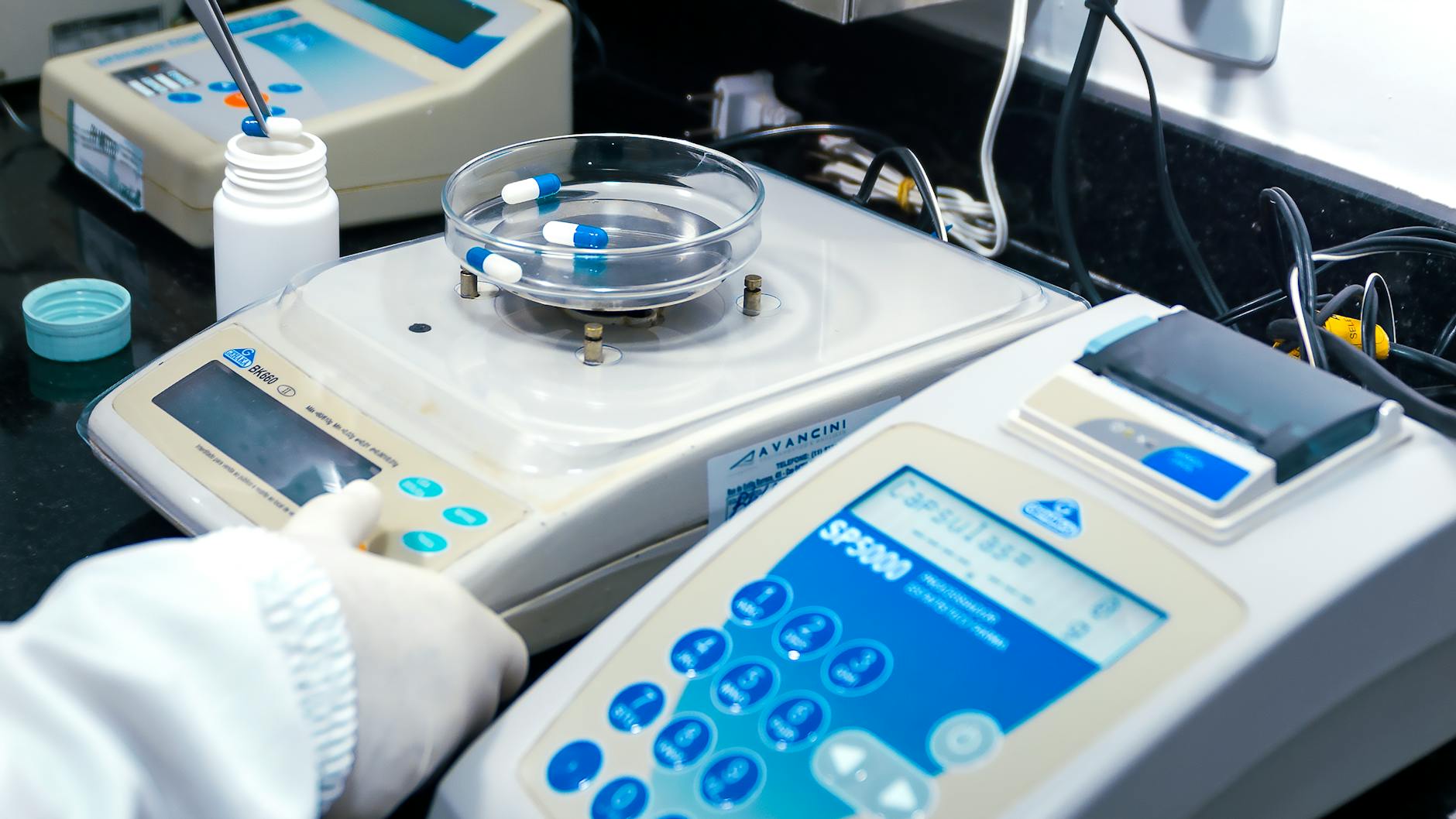
Breakthrough Bacterial Production Methods
Research teams at universities and biotech companies are engineering bacteria to extract and concentrate rare earth elements from low-grade sources. These microorganisms naturally interact with metals in their environment, and scientists are enhancing their ability to selectively absorb specific rare earth elements.
The process involves growing specialized bacterial cultures in controlled environments, feeding them solutions containing trace amounts of rare earth elements. The bacteria concentrate these elements in their cellular structures, which can then be harvested and processed into pure materials. This biological approach requires significantly less energy than traditional mining and smelting operations.
Several companies are already testing pilot programs using bacterial extraction methods. The technique works particularly well for elements like europium and terbium, which are essential for LED displays and energy-efficient lighting. Laboratory trials have achieved purity levels comparable to mined materials, though scaling remains a challenge.
Research groups are also exploring ways to combine bacterial extraction with electronic waste recycling. Old smartphones and computers contain substantial amounts of rare earth elements that could be recovered using these biological methods, creating a circular economy approach to materials sourcing.
Synthetic Biology and Engineered Solutions
Beyond bacterial extraction, scientists are developing synthetic biology approaches to produce rare earth elements through engineered cellular processes. These methods involve programming microorganisms to manufacture specific compounds that can then be converted into pure rare earth materials.
The synthetic biology approach offers more precise control over production compared to natural bacterial processes. Researchers can design cellular pathways that optimize for specific elements based on current market demands. This flexibility could help address supply shortages for particular rare earth elements without overproducing others.
Companies working in this space report that synthetic production could eventually cost less than mining operations, especially when factoring in environmental cleanup costs and regulatory compliance. The controlled laboratory environment also eliminates many variables that affect mining yields, potentially creating more predictable supply chains.
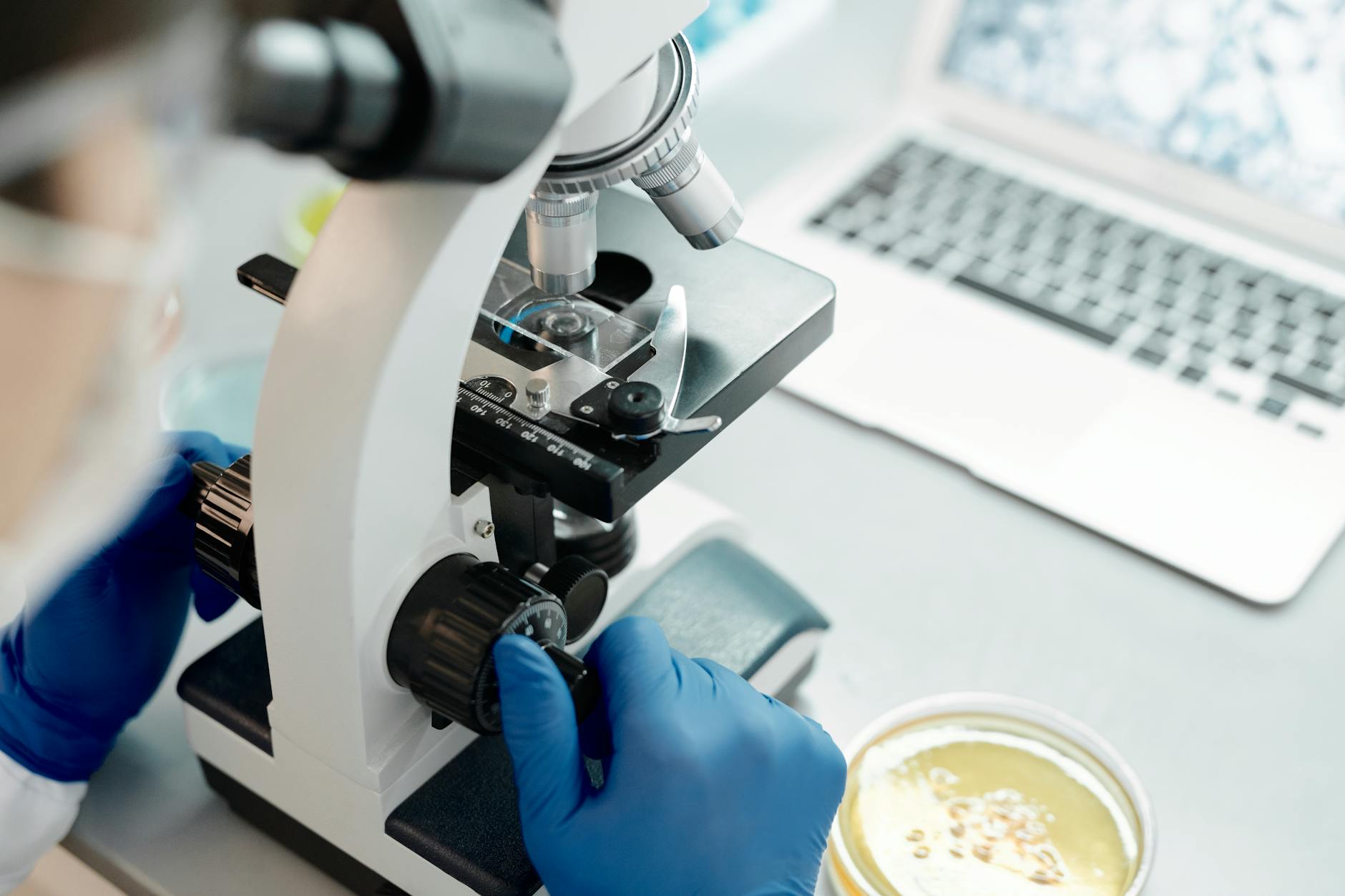
Current research focuses on producing the most valuable rare earth elements first, including those used in permanent magnets for electric vehicle motors and wind turbines. These applications represent some of the fastest-growing markets for rare earth materials, making them attractive targets for synthetic production methods.
The technology builds on advances in other lab-grown materials, similar to developments in lab-grown silicon crystals that are reshaping semiconductor manufacturing. Both approaches share common principles of controlled growth environments and precise chemical processes.
Environmental Impact and Supply Chain Benefits
Traditional rare earth mining creates extensive environmental damage through strip mining, chemical processing, and radioactive waste disposal. A single smartphone contains trace amounts of multiple rare earth elements, but producing these materials generates thousands of pounds of toxic waste per device.
Laboratory production methods could eliminate most of these environmental impacts. Bacterial and synthetic biology approaches operate in closed systems that contain waste products and prevent soil and water contamination. The processes also require less energy than high-temperature smelting operations used in traditional mining.
Supply chain resilience represents another major advantage of lab-grown rare earth production. Manufacturing facilities could be located near electronics production centers, reducing transportation costs and supply disruptions. This geographic flexibility could help countries reduce dependence on Chinese rare earth exports.
The technology could also enable more responsive production scaling. When demand increases for specific rare earth elements, laboratory facilities could adjust their output within weeks rather than the years required to develop new mining operations. This responsiveness could help prevent the supply bottlenecks that currently affect electronics manufacturing.
Commercial Timeline and Industry Adoption
Several companies are moving laboratory rare earth production toward commercial viability. Pilot facilities are currently producing small quantities of specific elements, with plans for larger operations within the next three to five years. The focus remains on high-value elements where lab production costs can compete with mining operations.
Industry experts predict that lab-grown rare earth elements will first appear in specialized applications before expanding to consumer electronics. Military and aerospace applications, which prioritize supply security over cost, represent likely early markets for synthetic rare earth materials.
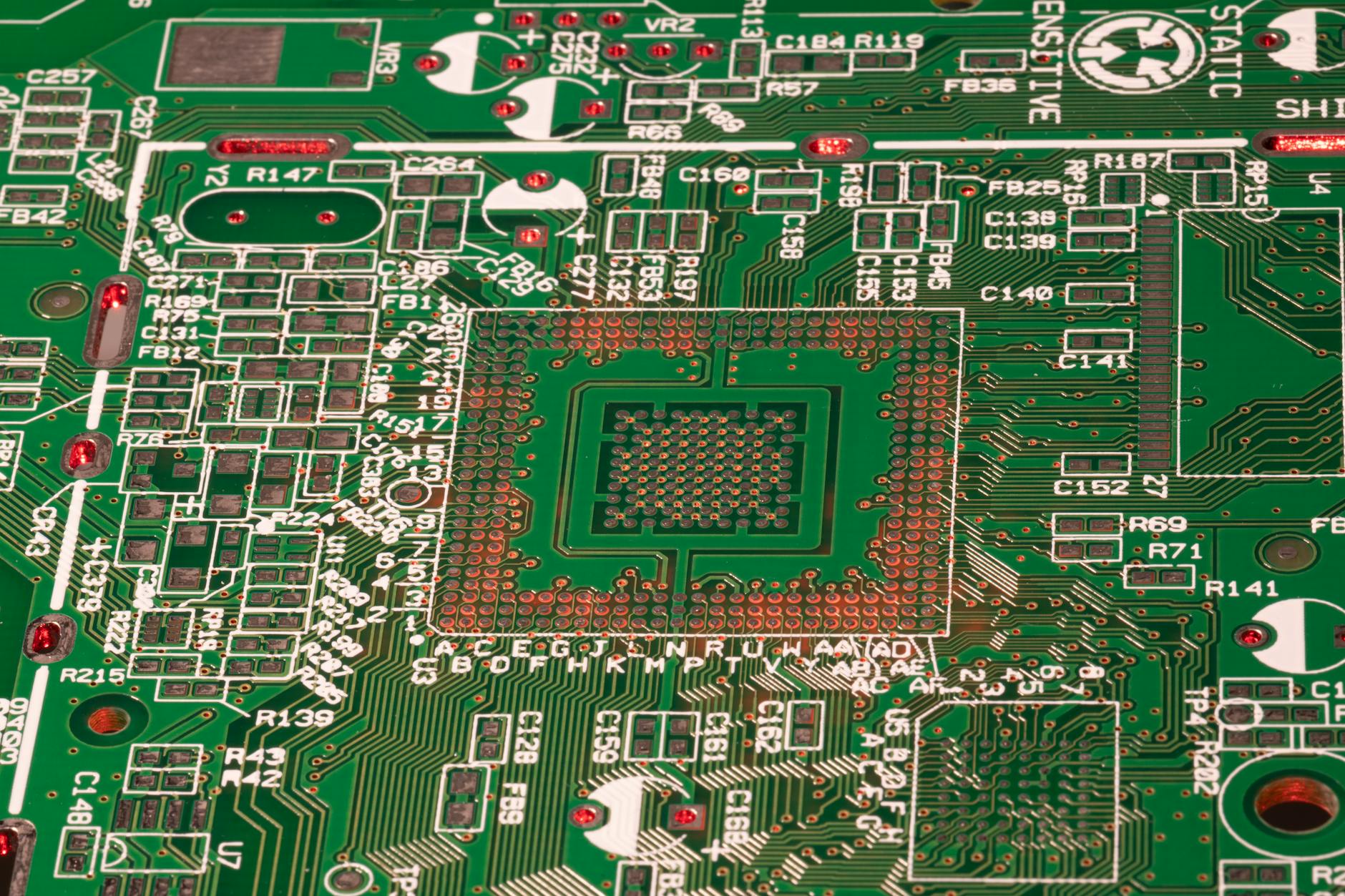
Major electronics manufacturers are monitoring these developments closely. Companies like Apple and Samsung have invested in recycling programs to recover rare earth elements from old devices, creating potential feedstock for biological extraction processes. This circular approach could accelerate adoption of lab-grown materials.
The technology development parallels other materials science advances, including research into lab-grown alternatives to traditional materials across various industries. These developments collectively point toward more sustainable manufacturing processes for technology products.
As production scales increase and costs decrease, lab-grown rare earth elements could fundamentally reshape global supply chains for electronics manufacturing. The combination of environmental benefits, supply security, and cost advantages positions this technology as a potential game-changer for the industry within the next decade.
Frequently Asked Questions
What are rare earth elements used for in electronics?
Rare earth elements provide magnetic and optical properties essential for smartphones, computers, LED displays, and electric vehicle motors.
How do bacteria produce rare earth elements?
Engineered bacteria absorb and concentrate rare earth elements from solutions, which can then be harvested and purified into industrial materials.
