


Language barriers dissolve instantly when a French tourist asks for directions in broken English, and your earbuds whisper the translation directly into your ear. What once required dedicated translation devices or smartphone apps now happens seamlessly through the wireless earbuds already in your pocket.
Major tech companies are racing to embed real-time language translation directly into wireless earbuds, transforming these tiny audio devices into powerful communication tools. Google, Apple, and emerging players like Timekettle are pushing the boundaries of what’s possible when artificial intelligence meets portable audio technology.
The integration represents more than just a convenience feature. It signals a fundamental shift in how we approach cross-language communication, moving from clunky external tools to invisible, always-available translation that feels natural and immediate.
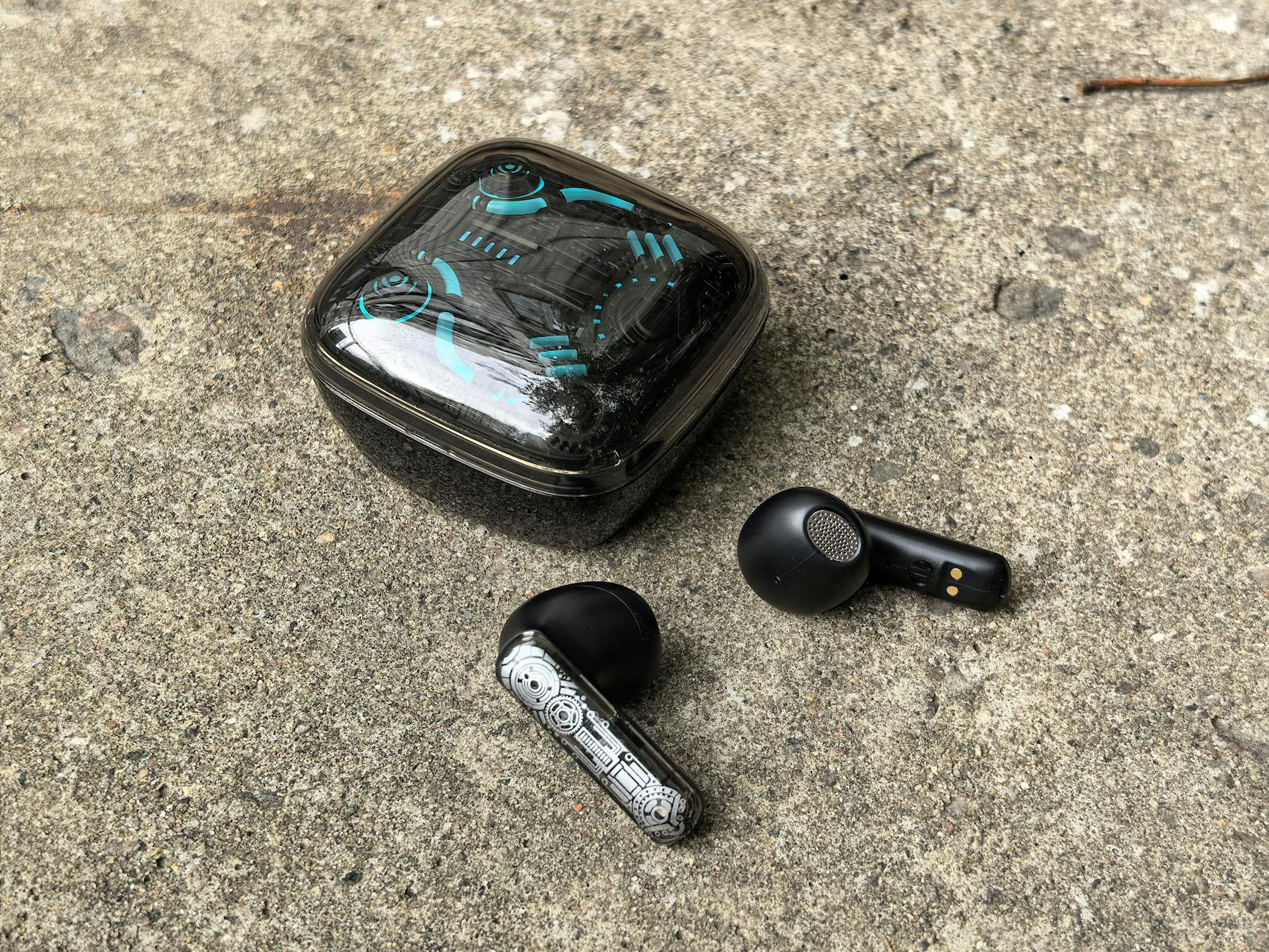
The Technology Behind Instant Translation
Current translation earbuds rely on advanced speech recognition algorithms combined with machine learning models that process spoken language in real-time. Google’s Pixel Buds Pro leverage the company’s Translate service, while Apple’s AirPods integrate with iOS translation features through Siri.
The process happens in milliseconds: your earbuds capture incoming speech, transmit it to cloud-based AI systems for processing, receive the translated text, convert it to speech using text-to-speech technology, and deliver it directly to your ears. This entire cycle typically takes under three seconds for common language pairs.
Battery life poses the biggest technical challenge. Constant voice processing and data transmission drain power faster than standard music playback. Most current models offer 4-6 hours of active translation compared to 8+ hours for regular audio use.
Processing quality varies significantly between languages. Popular pairs like English-Spanish or English-French achieve near-real-time performance, while less common combinations may experience longer delays or reduced accuracy.
Leading Products Reshaping Communication
Google’s Pixel Buds series pioneered mainstream translation features, supporting over 40 languages with varying degrees of accuracy. Users activate translation mode through voice commands, and the earbuds handle both incoming and outgoing translation automatically.
Timekettle’s WT2 Edge represents the current premium standard, designed specifically for translation rather than music. These earbuds offer offline translation for six languages, eliminating the internet dependency that limits other models. The company claims 95% accuracy for supported languages.
Apple’s approach integrates translation into the broader iOS ecosystem. AirPods users access translation through Siri, which then processes requests using Apple’s on-device machine learning. While not as specialized as dedicated translation earbuds, the seamless integration appeals to existing Apple users.
Emerging brands like Mymanu and Waverly Labs focus exclusively on translation earbuds, often targeting business travelers and international professionals. These specialized devices typically offer more languages but sacrifice general audio quality compared to mainstream alternatives.

Real-World Applications and Limitations
Business travelers represent the primary market for translation earbuds. Sales presentations, client meetings, and conference calls become more accessible when language barriers disappear. Several consulting firms now provide translation earbuds to employees working internationally.
Tourism applications show equally promising results. Museums, tour guides, and local interactions become more engaging when visitors understand conversations naturally rather than stopping to check translation apps. Major hotel chains in tourist destinations have begun recommending specific translation earbud models to international guests.
However, current technology struggles with context, idioms, and cultural nuances. Technical jargon, regional accents, and rapid speech patterns often produce incomplete or inaccurate translations. Background noise in restaurants, crowded spaces, or outdoor environments significantly impacts performance.
Privacy concerns also emerge as conversations pass through cloud-based AI systems. While companies claim they don’t store personal conversations, the data transmission required for real-time translation raises questions about surveillance and data security, particularly for sensitive business discussions.
The Integration Challenge
Translation earbuds face the same connectivity issues affecting other smart devices. Like the evolution we’re seeing with smart home hubs integrating Thread protocol standards, translation technology needs unified standards for seamless operation across different platforms and ecosystems.
Current models often work best within their manufacturer’s ecosystem. Google’s earbuds excel with Android devices and Google services, while Apple’s integration focuses on iOS users. This fragmentation limits adoption and creates frustrating user experiences when switching between devices or platforms.
Third-party translation services complicate the landscape further. Some earbuds support multiple translation engines, allowing users to choose between Google Translate, Microsoft Translator, or specialized services depending on language pairs and accuracy requirements.
Battery management becomes critical during extended use. Unlike music playback, translation requires constant internet connectivity and processing power. Most users report needing to recharge translation earbuds multiple times during full-day international travel.

The Future of Invisible Communication
Offline processing represents the next major breakthrough. Companies are working to compress AI translation models enough to run directly on earbud processors, eliminating internet dependency and privacy concerns. Early prototypes show promising results for common language pairs, though extensive offline libraries remain years away.
Integration with augmented reality and smart glasses suggests translation earbuds may evolve into comprehensive communication tools. Visual translation of signs, menus, and text could complement audio translation, creating seamless multilingual experiences similar to developments in smart contact lenses expanding beyond AR into health applications.
Voice cloning technology may soon allow translation earbuds to maintain speakers’ vocal characteristics while translating languages. Instead of robotic computer voices, users could hear translations that preserve the speaker’s tone, emotion, and personality.
As wireless earbuds become standard accessories rather than premium gadgets, built-in translation features will likely become expected functionality rather than specialized tools. The question isn’t whether translation will become ubiquitous in personal audio devices, but how quickly the technology will mature to handle complex, nuanced human communication with the same ease as simple phrase translation.
The convergence of AI, miniaturization, and wireless technology is creating a world where language barriers fade into the background, making real-time global communication as natural as listening to music.
Frequently Asked Questions
How accurate are translation earbuds?
Current models achieve 90-95% accuracy for common language pairs like English-Spanish, but struggle with idioms, technical terms, and regional accents.
Do translation earbuds work without internet?
Most require internet connectivity, though some premium models like Timekettle WT2 Edge offer offline translation for limited languages.
