


Professional esports tournaments now routinely require monitors capable of refresh rates exceeding 240Hz, and what was once considered enthusiast-grade hardware has rapidly become the baseline for serious competitive gaming. Variable refresh rate technology, which eliminates screen tearing and stuttering by synchronizing display output with graphics card frame rates, has evolved from a premium feature to an essential component of competitive gaming setups.
The shift represents more than just technological advancement. Major gaming organizations and tournament organizers have recognized that display technology directly impacts player performance, leading to standardized equipment requirements that prioritize variable refresh rate capabilities. This transformation has rippled through the entire gaming monitor market, driving prices down while pushing refresh rate capabilities higher across all price segments.

Tournament Standards Drive Market Adoption
Major esports leagues including the League of Legends Championship Series and Counter-Strike tournaments now specify minimum refresh rate requirements for official competition setups. These standards typically mandate displays capable of at least 240Hz with adaptive sync technology, whether through NVIDIA’s G-Sync, AMD’s FreeSync, or the open VESA Adaptive-Sync standard.
Tournament organizers have discovered that inconsistent display performance creates competitive disadvantages that can determine match outcomes. Professional players report significant improvements in reaction times and target tracking when using variable refresh rate displays compared to traditional fixed-rate monitors. The technology eliminates the visual disruptions that occur when frame rates fluctuate during intense gameplay moments.
Gaming peripheral manufacturers have responded by restructuring their product lines around these tournament requirements. Monitor brands like ASUS, BenQ, and Alienware now position variable refresh rate capability as standard across their gaming-focused models rather than as premium add-ons. The result has been a dramatic expansion of available options at competitive price points.
Technical Advantages in Competitive Scenarios
Variable refresh rate technology addresses specific performance issues that directly impact competitive gaming outcomes. Traditional monitors display images at fixed intervals, typically 60 times per second, regardless of how quickly the graphics card generates new frames. When frame production doesn’t align with display timing, players experience screen tearing, where portions of multiple frames appear simultaneously, or stuttering, where frames are duplicated or skipped.
These visual artifacts become particularly problematic during fast-paced competitive scenarios. First-person shooters require precise tracking of rapidly moving targets, while real-time strategy games demand smooth scrolling across detailed battlefields. Variable refresh rate eliminates these disruptions by matching display timing to actual frame generation, creating fluid visual feedback that enables more accurate player responses.
The technology also reduces input lag, the delay between controller input and visual response on screen. Professional gaming teams using biometric data for performance analysis have documented measurable improvements in player reaction times when switching from fixed-rate to variable refresh rate displays. This data has influenced team equipment decisions and training methodologies across major esports organizations.
Modern implementations of variable refresh rate technology support refresh rates up to 360Hz on high-end displays, with some manufacturers testing even higher frequencies. These extreme refresh rates provide diminishing returns for casual gaming but offer competitive advantages in professional scenarios where millisecond improvements can determine tournament outcomes.

Market Transformation and Price Accessibility
The gaming monitor market has undergone significant restructuring as variable refresh rate technology has moved from niche to mainstream. Premium features once reserved for monitors costing over $500 now appear in displays priced under $200. This democratization has been driven partly by competition between NVIDIA’s proprietary G-Sync technology and the open standards supported by AMD and Intel graphics cards.
Manufacturing improvements have reduced the cost of implementing variable refresh rate capability, while increased demand has created economies of scale that benefit consumers. Monitor manufacturers report that variable refresh rate models now represent the majority of their gaming-focused sales, indicating broad market acceptance beyond professional esports applications.
The transformation extends beyond refresh rate specifications to overall display quality improvements. Modern variable refresh rate monitors typically include additional gaming-focused features like reduced motion blur, enhanced color accuracy for competitive game visibility, and specialized display modes optimized for different game genres. These integrated feature sets reflect manufacturers’ recognition that competitive gaming requires comprehensive display optimization rather than single-specification improvements.
Console gaming has also embraced variable refresh rate technology, with both PlayStation and Xbox supporting adaptive sync on compatible displays. This console adoption has further expanded the addressable market for variable refresh rate monitors and driven additional innovation in display technology development.
Integration with Modern Graphics Hardware
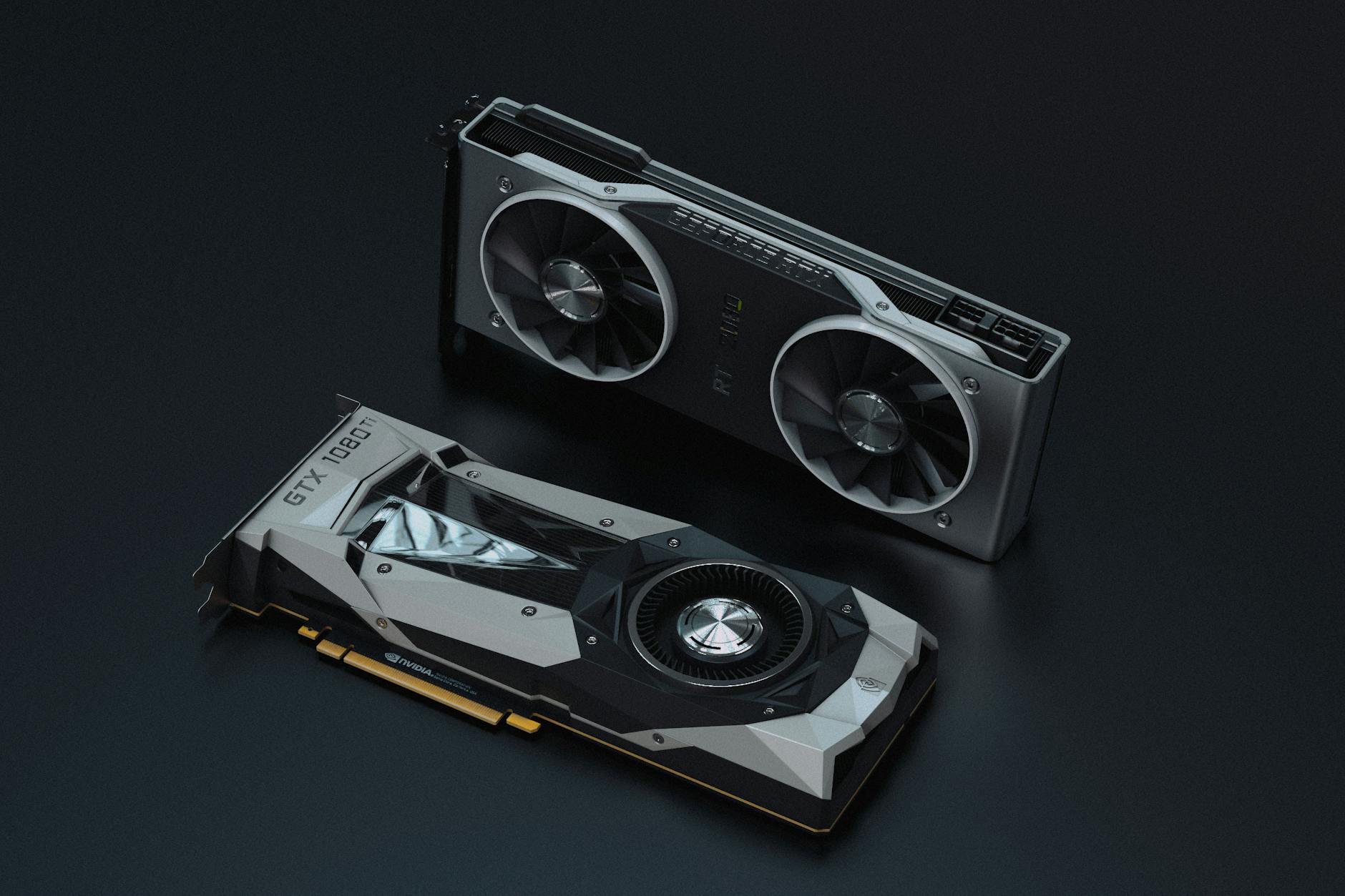
Current-generation graphics cards from NVIDIA, AMD, and Intel include built-in support for variable refresh rate technology across their entire product ranges. This universal hardware support has eliminated compatibility concerns that previously limited adoption and has enabled software developers to optimize games specifically for variable refresh rate displays.
The integration extends to mobile gaming as well, where ray tracing on mobile GPUs is finally matching console quality, bringing advanced visual technologies to portable gaming devices. Gaming laptops now routinely include variable refresh rate displays, and some manufacturers offer external monitor docking solutions that maintain variable refresh rate capability for mobile setups.
Future Standards and Technological Evolution
The competitive gaming industry continues pushing display technology boundaries beyond current variable refresh rate implementations. Emerging standards focus on reducing display latency even further while maintaining visual quality improvements that benefit competitive performance. Research into micro-LED and quantum dot display technologies promises to deliver variable refresh rates with enhanced color accuracy and brightness levels that improve competitive game visibility.
Tournament organizers are exploring standardized display calibration procedures that ensure consistent visual experiences across different venues and equipment setups. These standards will likely influence consumer monitor development as manufacturers align their products with official esports requirements.
The integration of variable refresh rate technology with other gaming-focused innovations suggests continued evolution in competitive gaming displays. As the technology becomes truly universal, the focus will shift toward optimizing the entire visual pipeline from graphics card to display for competitive gaming scenarios.
Variable refresh rate monitors have completed their transition from enthusiast curiosity to competitive gaming necessity. The technology’s adoption reflects broader changes in how the gaming industry approaches performance optimization, where every technical advantage contributes to competitive success. As refresh rate capabilities continue advancing and prices continue falling, variable refresh rate technology will likely become as fundamental to gaming displays as resolution and color accuracy are today.
Frequently Asked Questions
What refresh rate do professional gamers use?
Professional esports players typically use monitors with 240Hz or higher refresh rates with variable refresh rate technology for competitive advantages.
Do variable refresh rate monitors improve gaming performance?
Yes, they eliminate screen tearing and stuttering while reducing input lag, providing measurable improvements in reaction times and visual clarity.
