




The decades-long promise of accurate blood pressure monitoring on your wrist has finally arrived. After years of disappointing attempts and questionable readings, smartwatch manufacturers have cracked the code on medical-grade accuracy that doctors actually trust.
The breakthrough comes at a crucial time. Hypertension affects nearly half of American adults, yet most people check their blood pressure only during doctor visits. Traditional home monitors sit unused in medicine cabinets, too bulky and inconvenient for regular use. Smartwatches promised to solve this problem but consistently delivered readings that varied wildly from clinical equipment.
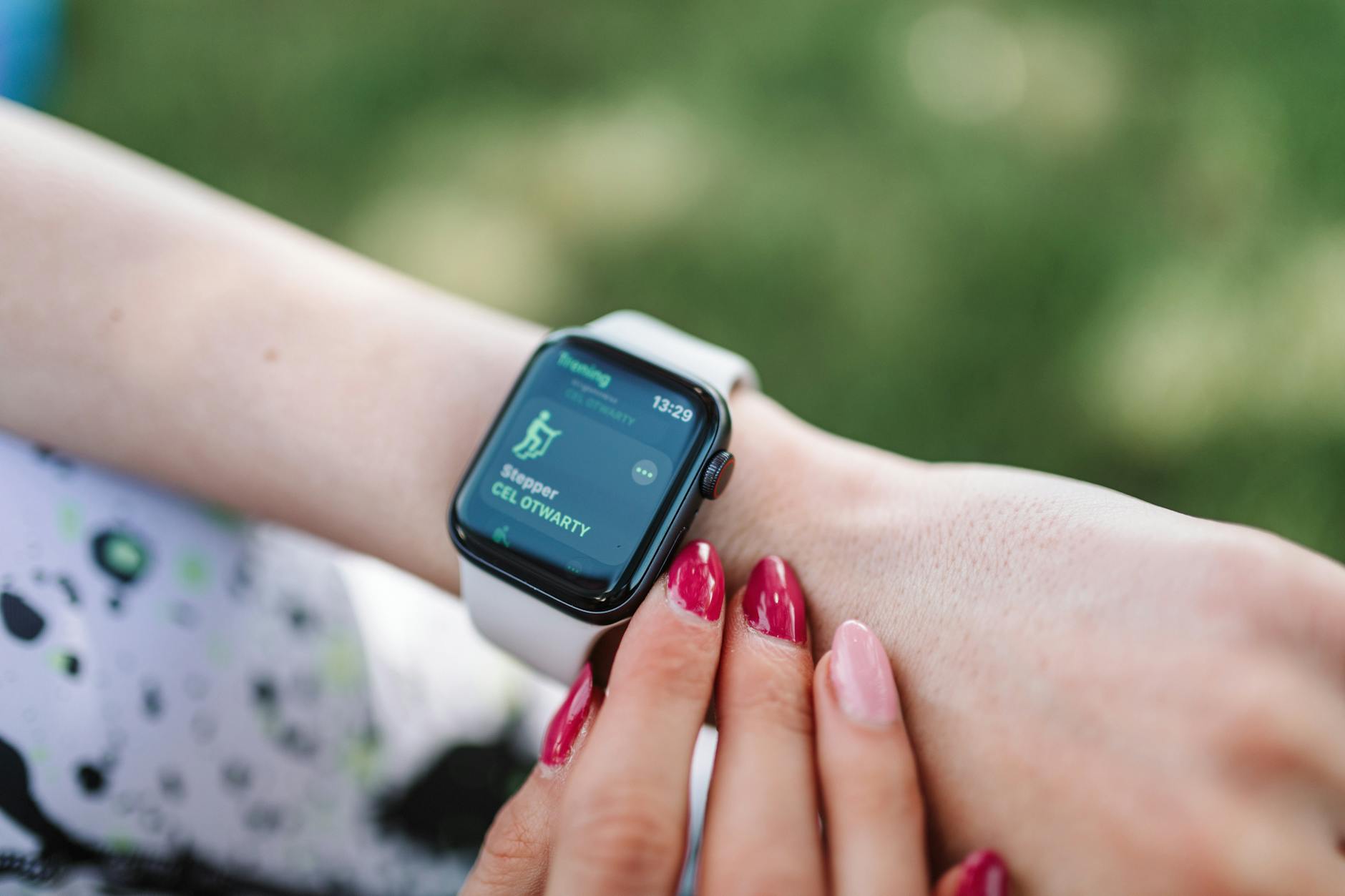
That era is ending. Samsung’s Galaxy Watch series now provides FDA-cleared blood pressure monitoring, while Apple’s latest Watch models show promising accuracy in clinical trials. The technology relies on sophisticated sensor arrays and AI algorithms that analyze subtle changes in blood flow patterns at the wrist.
The Technical Breakthrough That Changed Everything
The key advancement lies in photoplethysmography (PPG) sensors combined with machine learning algorithms trained on millions of data points. Traditional smartwatch sensors struggled because wrist-based measurements face unique challenges: arm position, movement artifacts, and individual anatomical differences all skewed results.
Modern smartwatches now use multiple LED wavelengths to penetrate different tissue depths, creating a more complete picture of blood flow dynamics. Samsung’s approach requires initial calibration with a traditional cuff monitor, then uses pulse wave analysis to track changes over time. The system learns individual patterns, accounting for factors like skin tone, age, and cardiovascular health.
Apple takes a different approach, using the Digital Crown as a second contact point to create a basic electrocardiogram circuit. Combined with advanced PPG sensors, this dual-measurement system provides redundancy that improves accuracy. Internal testing reportedly shows results within 5 mmHg of clinical monitors – the threshold for medical acceptability.
The algorithms processing this data represent years of development. Engineers analyzed thousands of hours of cardiovascular data, training neural networks to recognize subtle patterns humans miss. These systems now distinguish between true blood pressure changes and false readings caused by movement or poor sensor contact.
Clinical Validation and Medical Community Response
Medical professionals initially remained skeptical of wrist-based blood pressure monitoring. Early smartwatch attempts showed concerning inaccuracies, sometimes missing dangerous hypertensive episodes or creating false alarms. The American Heart Association maintained strict guidelines requiring traditional cuff monitors for diagnosis and treatment decisions.
Recent clinical studies are changing medical opinion. A 2023 study published in the Journal of Medical Internet Research found Samsung’s blood pressure monitoring achieved accuracy comparable to validated home monitors in 89 percent of measurements. Participants with various cardiovascular conditions showed consistent results across different demographics.
Cardiologists now see potential benefits beyond convenience. Continuous monitoring reveals blood pressure patterns invisible during brief office visits. White coat hypertension – elevated readings caused by medical anxiety – becomes easier to identify. Nocturnal hypertension, linked to increased stroke risk, can be detected without sleep lab visits.
The FDA’s approval process reflects this growing confidence. Samsung received clearance for its blood pressure feature in 2020, followed by expanded approvals covering more watch models. Apple continues clinical trials for FDA submission, while European regulators have already approved similar features for international markets.

Real-World Impact on Patient Care
Healthcare providers report significant changes in patient engagement since accurate smartwatch monitoring became available. Dr. Jennifer Martinez, a cardiologist at Cleveland Clinic, notes that patients now arrive at appointments with detailed blood pressure logs spanning weeks or months. This data reveals medication effectiveness, lifestyle impacts, and concerning trends that single office readings miss.
The technology particularly benefits patients with hard-to-control hypertension. These individuals previously struggled with multiple daily measurements using traditional cuffs. Smartwatch monitoring eliminates barriers, providing continuous data that helps physicians fine-tune treatments. Medication timing adjustments become evidence-based rather than guesswork.
Remote patient monitoring programs increasingly incorporate smartwatch data. Healthcare systems use this information to identify patients needing intervention before emergencies occur. A sudden spike in readings can trigger automated alerts, prompting telehealth consultations or prescription adjustments without requiring office visits.
Privacy concerns remain significant. Blood pressure data reveals sensitive health information, making security crucial. Leading manufacturers encrypt all health data and require explicit consent for sharing with healthcare providers. However, insurance companies and employers continue pushing for access, raising questions about discrimination and coverage decisions.
Integration with existing health monitoring systems creates comprehensive wellness pictures. Smart home devices now monitor air quality for health alerts, while smartwatches track cardiovascular responses to environmental changes. This holistic approach helps identify triggers and optimize treatment strategies.
Future Developments and Expanding Capabilities
The next generation of smartwatch health monitoring promises even greater accuracy and functionality. Manufacturers are developing sensors capable of measuring blood glucose, hydration levels, and stress hormones. These additions would create comprehensive health monitoring platforms on users’ wrists.
Artificial intelligence continues improving measurement precision. Future algorithms will account for individual variations more accurately, potentially eliminating the need for traditional cuff calibration. Machine learning models trained on diverse populations should reduce accuracy gaps affecting different ethnic groups and age ranges.
Integration with telemedicine platforms represents another frontier. Real-time blood pressure alerts could automatically schedule virtual consultations when concerning patterns emerge. Physicians might adjust medications remotely based on continuous monitoring data, reducing the need for frequent office visits.
Battery technology remains a limiting factor. Current smartwatches require nightly charging, creating gaps in continuous monitoring. Advances in low-power sensors and improved battery chemistry should enable true 24/7 monitoring without charging interruptions.

The transformation of smartwatch blood pressure monitoring from gimmick to medical tool marks a turning point in consumer health technology. For the first time, wearable devices provide clinical-grade measurements that doctors can confidently use for diagnosis and treatment decisions. This breakthrough opens doors for comprehensive health monitoring that was previously impossible outside medical facilities.
As accuracy continues improving and additional health metrics join blood pressure monitoring, smartwatches are becoming essential healthcare tools. The technology that once seemed like science fiction now sits on millions of wrists, quietly monitoring one of our most critical vital signs with unprecedented precision and convenience.
Frequently Asked Questions
Are smartwatch blood pressure readings accurate enough for medical use?
Yes, FDA-approved models like Samsung Galaxy Watch now provide medical-grade accuracy within 5 mmHg of clinical monitors when properly calibrated.
Do doctors trust smartwatch blood pressure measurements?
Increasingly yes – cardiologists now use continuous smartwatch data to adjust treatments and identify patterns invisible during office visits.