




Sleep tracking just got smaller, smarter, and more comfortable. While fitness trackers dominated wrist real estate for years, smart rings are quietly revolutionizing how we monitor our nightly rest. These tiny devices pack advanced sensors into a form factor so discrete you might forget you’re wearing one.
The shift represents more than just miniaturization. Smart rings offer continuous monitoring without the bulk, screen notifications, or charging anxiety that plague traditional fitness trackers. Major tech companies and startups alike are betting that when it comes to sleep data, less intrusive means more accurate insights.
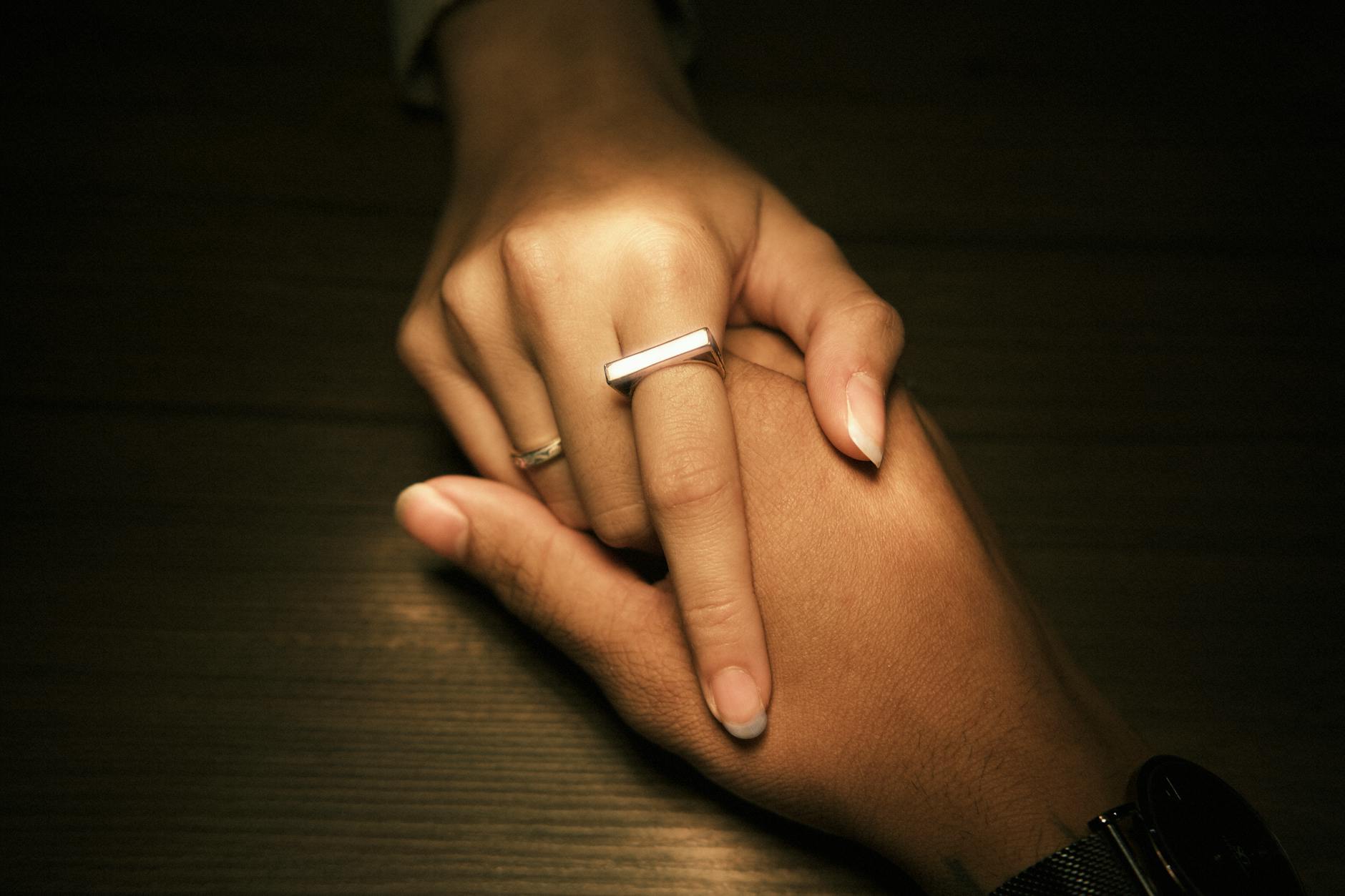
The Technology Behind Miniaturized Sleep Monitoring
Smart rings accomplish their sleep tracking through a sophisticated array of sensors crammed into a surprisingly small package. Heart rate variability sensors, accelerometers, and temperature monitors work together to paint a detailed picture of sleep stages without requiring the larger battery and display of wrist-worn devices.
The Oura Ring leads this category with its third-generation model featuring improved sensors and week-long battery life. Samsung’s Galaxy Ring entered the market in 2024, leveraging the company’s expertise in miniaturized components. Circular Ring and RingConn offer alternative approaches, each with unique sensor configurations and companion app experiences.
Unlike fitness trackers that rely heavily on movement detection, smart rings prioritize physiological signals. Body temperature fluctuations, heart rate patterns, and subtle finger movements provide more nuanced data about sleep quality. The finger placement proves crucial – arteries in fingers offer clearer pulse readings than the wrist, especially during sleep when circulation naturally slows.
Battery efficiency represents a major advantage. Most smart rings deliver 4-7 days of continuous monitoring, compared to daily charging requirements for many smartwatches. The absence of power-hungry displays and processors allows these devices to focus entirely on data collection.
Comfort and Compliance Drive Adoption
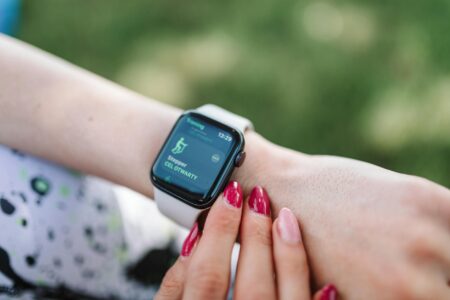
The most significant factor in sleep tracking accuracy isn’t sensor quality – it’s whether users actually wear the device to bed. Traditional fitness trackers face an uphill battle here. Many users remove bulky wrist devices before sleeping, citing discomfort, light emission from displays, or partner disturbance concerns.
Smart rings eliminate these friction points entirely. The lightweight titanium or ceramic construction feels natural during sleep. No screens mean no midnight light pollution. The smooth, rounded design won’t catch on bedding or scratch partners during restless nights.
This comfort translates directly into better data quality. Sleep studies consistently show that irregular monitoring produces unreliable patterns. A device worn every single night generates the longitudinal data necessary for meaningful health insights. Smart rings achieve compliance rates significantly higher than their wrist-worn counterparts.
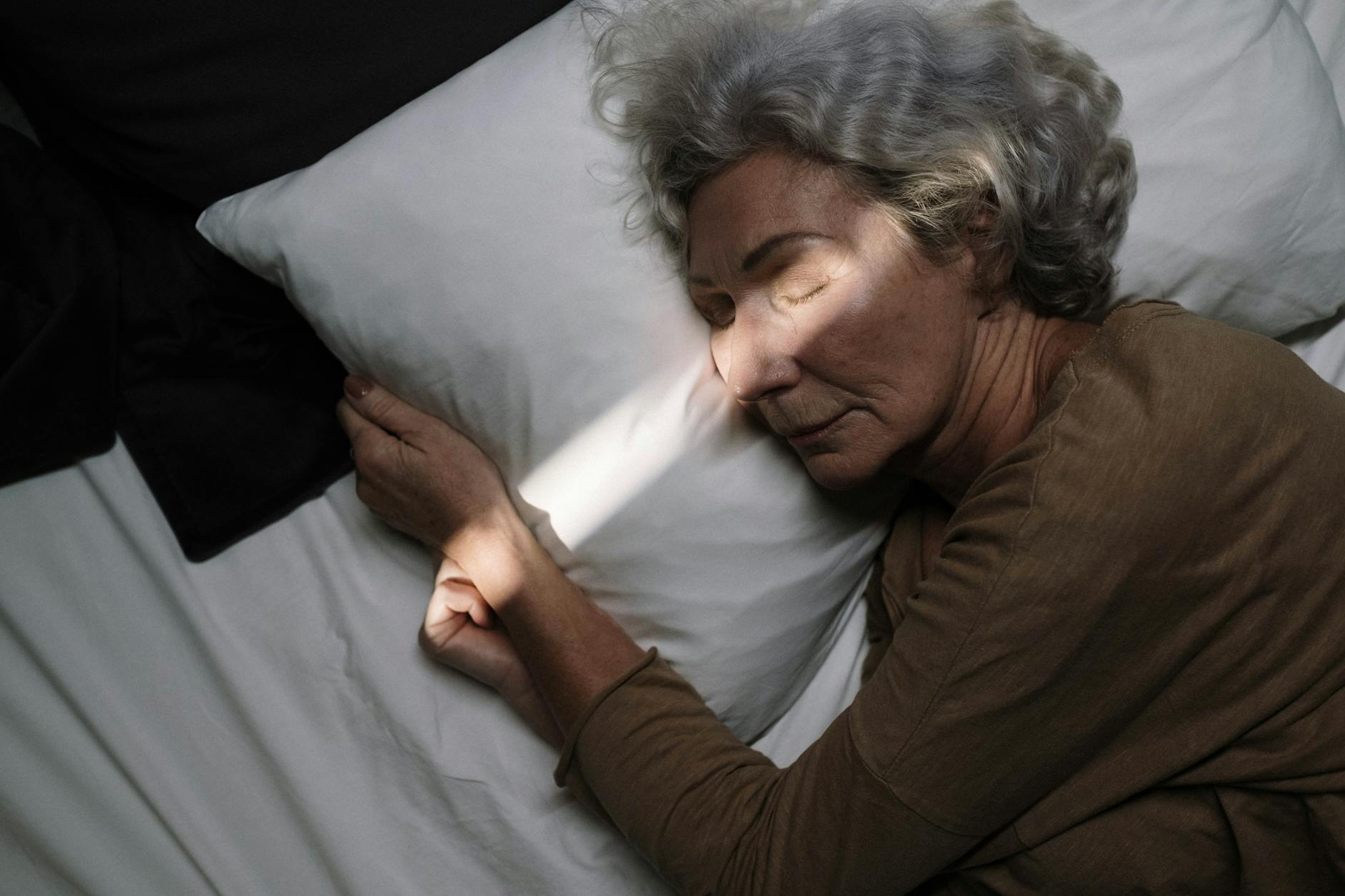
Professional sleep researchers have taken notice. While clinical sleep studies still rely on comprehensive polysomnography equipment, preliminary research suggests smart rings capture sleep stage transitions with surprising accuracy. The continuous monitoring approach provides context that occasional fitness tracker use simply cannot match.
Advanced Analytics in Miniaturized Form
Modern smart rings don’t just collect data – they interpret it. Machine learning algorithms analyze patterns across multiple metrics to identify sleep trends, recovery indicators, and potential health concerns. This represents a significant evolution from early fitness trackers that primarily counted steps and estimated calories.
Temperature tracking proves particularly valuable for sleep analysis. Core body temperature naturally drops during healthy sleep cycles. Smart rings monitor these fluctuations to identify optimal sleep timing and detect disruptions that other devices might miss. Some models correlate temperature data with menstrual cycles, providing insights previously requiring separate tracking methods.
Heart rate variability analysis offers another sophisticated metric. The tiny variations between heartbeats indicate nervous system recovery and stress levels. Smart rings excel at capturing these subtle changes throughout the night, when the body’s natural repair processes are most active.
Sleep coaching features differentiate premium smart rings from basic fitness trackers. Personalized recommendations based on individual patterns help users optimize bedtime routines, room temperature, and other environmental factors. The data-driven approach moves beyond generic sleep hygiene advice toward customized insights.
Integration with broader health ecosystems continues expanding. Smart rings now sync with meditation apps, nutrition trackers, and even smart home systems. Smart thermostats with air quality monitoring can automatically adjust bedroom conditions based on sleep data from connected rings.
Market Competition and Future Development
The smart ring market remains relatively small but growing rapidly. While smartwatch manufacturers focus on larger screens and more features, ring specialists concentrate on perfecting the core sleep monitoring experience. This specialization creates opportunities for innovative approaches and niche market capture.
Price points vary significantly across the category. Premium options like Oura command subscription fees for advanced analytics, while newer entrants offer competitive one-time purchase models. The subscription debate continues – some users prefer ongoing service improvements, while others resist recurring charges for health data analysis.
Manufacturing challenges persist as companies work to balance sensor capability with ring durability and sizing options. Unlike adjustable wrist bands, rings require precise fitting, creating inventory and customer service complexities. Advanced materials and manufacturing techniques continue addressing these practical concerns.

Future developments point toward even more sophisticated monitoring capabilities. Researchers explore blood oxygen sensing, stress hormone detection, and integration with other health metrics. However, the core appeal remains simplicity – comprehensive sleep insights without the complexity of larger devices.
As sleep science advances and consumers prioritize rest quality over step counts, smart rings position themselves as specialized tools for the health-conscious. The convergence of miniaturized sensors, extended battery life, and comfortable design creates a compelling alternative to traditional fitness trackers. While smartwatches continue adding features and achieving medical-grade accuracy in blood pressure monitoring, smart rings focus on doing one thing exceptionally well.
The sleep monitoring revolution isn’t about replacing all wearable technology – it’s about choosing the right tool for specific health goals. For users prioritizing sleep insights above all else, the answer increasingly fits on their finger.
Frequently Asked Questions
How accurate are smart rings compared to fitness trackers for sleep monitoring?
Smart rings often provide more accurate sleep data due to better sensor placement on fingers and higher user compliance from comfortable overnight wear.
How long does a smart ring battery last compared to fitness trackers?
Most smart rings offer 4-7 days of continuous monitoring, significantly longer than many fitness trackers that require daily charging.