




The bathroom mirror that once simply reflected your appearance now tracks your heart rate, analyzes your skin condition, and monitors your posture. Smart mirrors equipped with advanced sensors and AI-powered health monitoring are transforming the most routine part of our day into a comprehensive wellness checkpoint.
Major tech companies and startups are racing to perfect this concept, integrating everything from facial recognition systems that detect changes in complexion to embedded sensors that measure vital signs without physical contact. These mirrors represent a significant shift from reactive healthcare to proactive daily monitoring, catching potential health issues before they become serious problems.

Beyond Reflection: The Technology Behind Health-Monitoring Mirrors
Smart mirrors combine traditional reflective surfaces with high-resolution displays, cameras, and an array of sensors typically hidden behind the glass. The latest models use computer vision algorithms to analyze facial features, detecting subtle changes in skin color that might indicate blood pressure fluctuations or stress levels.
Companies like HiMirror have developed mirrors that use LED lighting systems to simulate different environments while cameras capture high-definition images of your skin. The built-in AI analyzes these images for wrinkles, dark spots, pores, and other skin health indicators, tracking changes over time to provide personalized skincare recommendations.
More advanced models incorporate non-contact sensors that measure heart rate through facial blood flow detection, similar to technology used in smartphones. Some mirrors even include weight sensors in the floor or base, automatically recording your weight when you step in front of them.
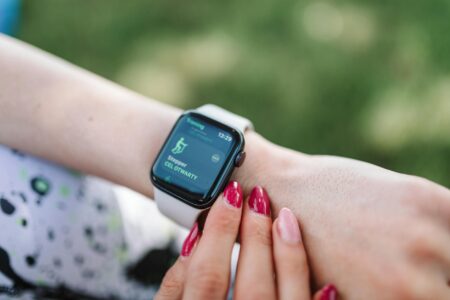
The integration extends beyond individual sensors. These mirrors connect to fitness trackers, smartwatches, and health apps, creating a comprehensive picture of your daily wellness metrics. Voice assistants built into many models allow hands-free interaction, letting you check your health stats while brushing your teeth or applying makeup.
Real-World Health Benefits and Medical Applications
Healthcare professionals are beginning to recognize the potential of daily health monitoring through smart mirrors. Dr. Sarah Chen, a dermatologist at Stanford Medical Center, reports that patients using smart mirrors often catch skin changes weeks earlier than traditional monthly self-examinations would reveal.
The consistency of daily monitoring provides unprecedented data for tracking health trends. Unlike sporadic doctor visits or occasional fitness tracker use, smart mirrors capture data at the same time each day under consistent lighting conditions. This regularity helps identify patterns that might otherwise go unnoticed.
Some mirrors now include features specifically designed for chronic condition management. Diabetes patients can connect glucose monitors to display blood sugar trends alongside other vital signs. Hypertension patients benefit from daily blood pressure tracking that automatically shares data with their healthcare providers.

Mental health monitoring represents another frontier for smart mirror technology. Advanced models analyze facial expressions and vocal patterns during routine interactions, potentially identifying early signs of depression or anxiety. While this technology raises privacy concerns, early studies suggest it could provide valuable data for mental health professionals.
The elderly population particularly benefits from these devices. Family members can receive alerts if unusual changes occur in daily health metrics, providing peace of mind and early intervention opportunities. Some mirrors include fall detection systems and emergency communication features, extending their utility beyond basic health monitoring.
Privacy Concerns and Data Security Challenges
The intimate nature of bathroom-based health monitoring raises significant privacy questions. These devices collect some of the most personal data possible: detailed images of your face and body, health metrics, and daily routine patterns. Unlike fitness trackers that can be removed, smart mirrors observe and record continuously.
Most manufacturers address these concerns through local data processing, keeping sensitive information on the device rather than transmitting everything to cloud servers. However, the integration with health apps and medical providers often requires some level of data sharing, creating potential vulnerability points.
European privacy regulations have pushed companies to implement stronger data protection measures. Users typically maintain control over what data gets shared and with whom, but the complexity of privacy settings can overwhelm less tech-savvy consumers.
Security researchers have identified potential risks in smart mirror systems, particularly regarding unauthorized access to cameras and microphones. As these devices become more connected to smart home systems, they potentially create new entry points for cyber attacks. The integration with smart home security systems requires careful consideration of overall network security.
Market Growth and Future Integration
The smart mirror market has grown rapidly, with major retailers now offering models ranging from basic fitness tracking mirrors to comprehensive health monitoring systems. Amazon’s introduction of Alexa-enabled mirrors has made the technology more accessible to mainstream consumers, while luxury brands like Kohler integrate health monitoring into high-end bathroom fixtures.
Commercial applications are expanding beyond residential use. Gyms and fitness centers install smart mirrors for form correction and progress tracking, while medical facilities use them for patient monitoring and rehabilitation therapy. Hotels are beginning to offer smart mirror amenities as part of wellness-focused travel experiences.

The integration with other emerging technologies promises even more sophisticated capabilities. Researchers are exploring connections with augmented reality displays that could overlay health information directly onto your reflection. Artificial intelligence improvements will enable more accurate health predictions and personalized recommendations based on individual patterns and medical history.
Insurance companies are beginning to explore partnerships with smart mirror manufacturers, potentially offering premium discounts for users who maintain consistent health monitoring. This development could accelerate adoption while raising questions about health data privacy and discrimination.
The technology continues evolving toward more seamless integration with daily routines. Future mirrors may include medication reminders, telehealth consultation capabilities, and even basic diagnostic tools that could revolutionize how we approach preventive healthcare.
Smart mirrors represent a fundamental shift in how we think about health monitoring, moving from periodic check-ups to continuous wellness awareness. As the technology matures and privacy concerns are addressed, these devices are likely to become as common as traditional mirrors, making daily health monitoring as natural as checking your appearance before leaving the house.
Frequently Asked Questions
How do smart mirrors monitor health without physical contact?
They use computer vision to analyze facial blood flow for heart rate and AI-powered cameras to detect skin changes and other health indicators.
Are smart mirrors secure for personal health data?
Most process data locally rather than in the cloud, but users should review privacy settings and data sharing permissions carefully.