


Your bathroom mirror just told you to drink more water, checked your heart rate, and reminded you about that dermatologist appointment. This isn’t science fiction – it’s the reality of smart mirrors entering homes across America, transforming mundane morning routines into comprehensive health checkups.
Companies like HiMirror, Baracoda, and CareOS are pioneering mirrors that do far more than show your reflection. These devices use advanced sensors, AI analysis, and computer vision to track everything from skin changes to posture problems, making health monitoring as routine as brushing your teeth.
The global smart mirror market is experiencing explosive growth, with healthcare applications driving much of the demand. Major retailers including Amazon, Best Buy, and specialized wellness stores now stock these devices, while tech giants like Google and Samsung invest heavily in mirror-based health platforms.
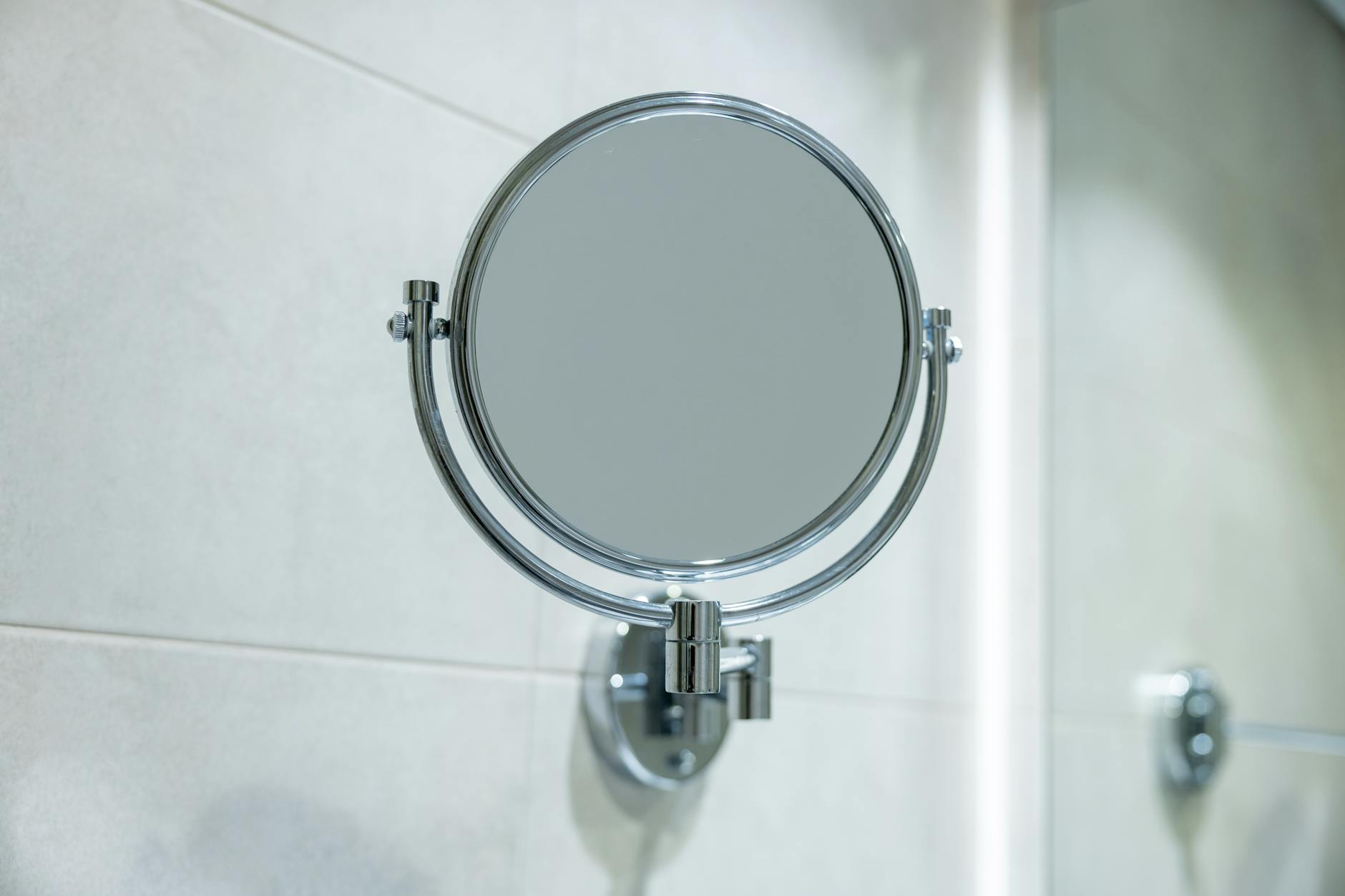
Beyond Reflection: How Smart Mirrors Actually Work
Smart mirrors combine traditional reflective surfaces with embedded displays, cameras, and sensor arrays. The core technology relies on two-way mirrors that allow digital screens to show through while maintaining reflective properties. High-resolution cameras capture detailed images of skin, posture, and facial features, while infrared sensors can detect temperature variations and blood flow patterns.
The software powering these devices uses machine learning algorithms trained on thousands of health data points. When you stand in front of a smart mirror, it automatically scans for changes in your appearance, comparing current readings to your baseline measurements established over time. Some models integrate with existing health apps and wearable devices, creating comprehensive health profiles that track long-term trends.
Advanced models include air quality sensors, weight measurement capabilities through connected floor scales, and even breath analysis features that can detect certain health indicators. The data processing happens both locally and in the cloud, with most manufacturers emphasizing privacy protection and encrypted data transmission.
Real Health Benefits Users Are Experiencing
Early adopters report significant improvements in health awareness and prevention. Dermatology features rank among the most popular, with mirrors detecting subtle skin changes that might indicate sun damage, dehydration, or early signs of skin conditions. Users receive alerts about new moles, changes in existing spots, or areas requiring moisturization.
Posture monitoring has proven particularly valuable for remote workers. The mirrors analyze spine alignment and shoulder positioning, providing real-time feedback and exercise suggestions. Some models track morning stiffness indicators and recommend stretching routines based on detected tension patterns.
Sleep quality assessment represents another breakthrough application. By analyzing under-eye circles, skin tone variations, and facial expressions, smart mirrors can gauge sleep quality and suggest bedtime adjustments. Integration with sleep tracking devices provides more comprehensive insights than standalone wearables.
Mental health monitoring through facial expression analysis and voice pattern recognition offers preliminary stress and mood indicators. While not diagnostic tools, these features help users identify patterns and consider professional consultation when appropriate.
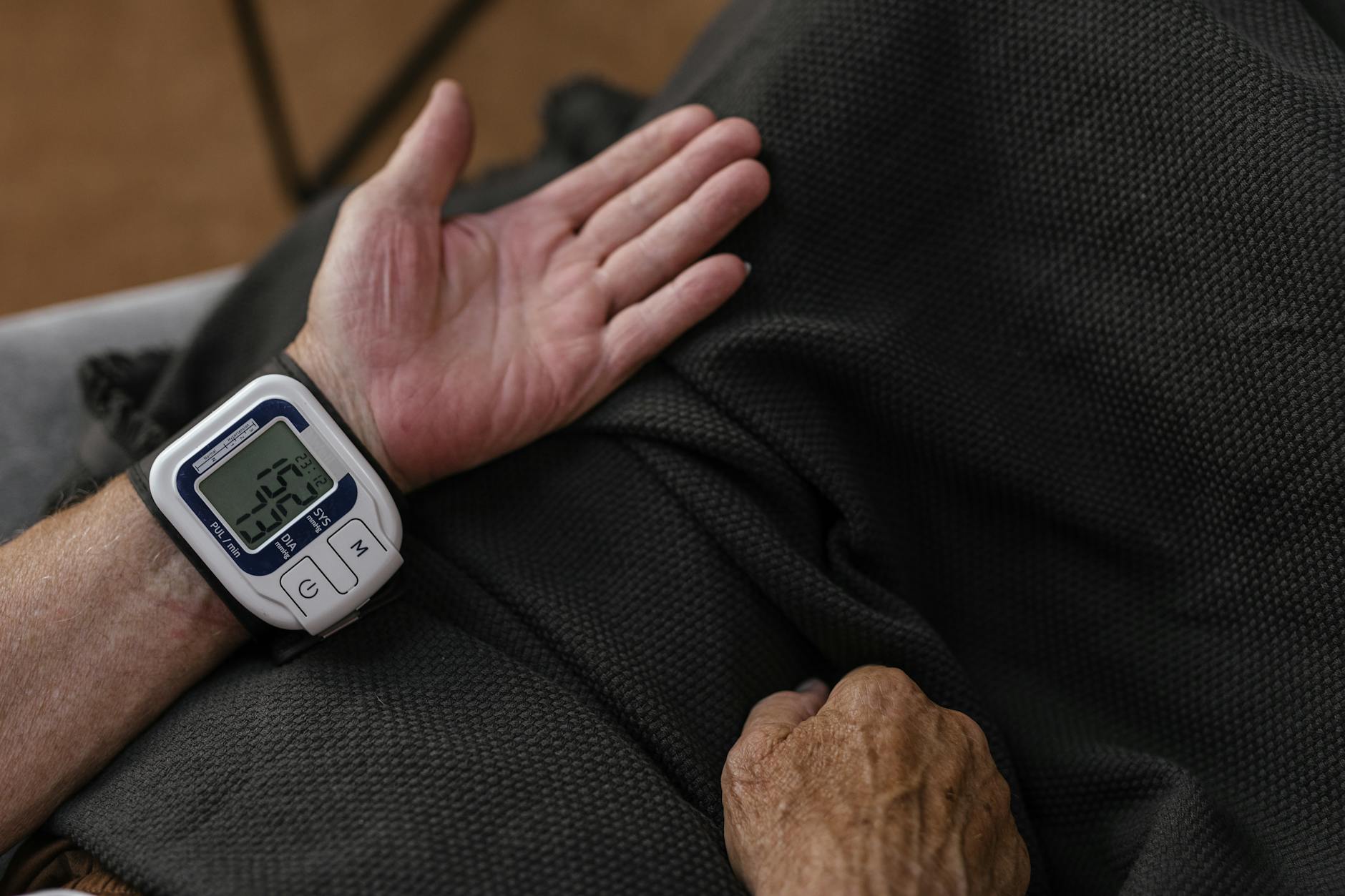
Integration Challenges and Privacy Considerations
Despite impressive capabilities, smart mirrors face significant integration hurdles. Healthcare providers remain cautious about incorporating consumer-grade diagnostic data into medical records, citing accuracy concerns and liability issues. Most smart mirror manufacturers clearly state their devices provide wellness insights rather than medical diagnoses.
Privacy concerns top user hesitations about adopting smart mirror technology. These devices continuously collect intimate health and appearance data, raising questions about data storage, sharing, and potential breaches. Leading manufacturers now offer local data processing options and detailed privacy controls, but consumer education about these protections remains limited.
Cost presents another barrier, with quality smart mirrors ranging from several hundred to several thousand dollars. Insurance companies have yet to recognize these devices for health savings account purchases or coverage benefits, despite their preventive health potential.
Technical limitations include accuracy variations based on lighting conditions, user positioning, and individual biological differences. While the technology continues improving, users must understand these devices supplement rather than replace professional medical care.
The integration ecosystem remains fragmented, with different manufacturers using incompatible data formats and communication protocols. Industry standardization efforts are underway, but current users often find their smart mirror data isolated from other health tracking systems.
Market Evolution and Consumer Adoption
The smart mirror industry is rapidly consolidating around health applications, moving beyond earlier entertainment and social media focused models. Professional installations in gyms, spas, and medical offices are driving technology refinement and consumer awareness.
Retail partnerships are expanding availability, with major home improvement chains now dedicating sections to smart bathroom fixtures. Installation services are becoming more standardized, addressing earlier concerns about technical complexity and electrical requirements.
Integration with existing smart home ecosystems is improving, with mirrors now connecting seamlessly to systems like Amazon Alexa, Google Assistant, and Apple HomeKit. This connectivity enables voice commands, automated health reminders, and coordination with other health monitoring devices throughout the home.
Similar to how smart glasses are replacing fitness trackers for health monitoring, smart mirrors are positioning themselves as central hubs for comprehensive wellness tracking. The convenience factor of incorporating health monitoring into existing daily routines appears to be driving adoption more effectively than standalone health devices.
The trajectory toward mainstream adoption seems clear as prices decrease and functionality improves. Early market research suggests smart mirrors could become as common as smart thermostats within the next decade, fundamentally changing how Americans approach daily health awareness.
Major technology companies are betting heavily on this transformation, with significant investments in mirror-based health platforms and partnerships with healthcare providers. As accuracy improves and integration barriers fall, smart mirrors may well become the primary interface between consumers and their health data, making wellness monitoring as automatic as checking the weather.
The mirror revolution is just beginning, and it’s looking back at us with increasingly intelligent eyes.
Frequently Asked Questions
How accurate are smart mirror health diagnostics?
Smart mirrors provide wellness insights and trend tracking but aren’t medical diagnostic tools and should supplement, not replace, professional healthcare.
Do smart mirrors store personal health data securely?
Leading manufacturers offer local data processing and encryption, but users should review privacy policies and data handling practices before purchasing.
