




Package theft costs Americans billions annually, but smart doorbells are fighting back with authentication technology that verifies deliveries before they hit your porch. Ring, Nest, and other major manufacturers are rolling out features that create digital proof of legitimate deliveries while flagging suspicious activity.
The technology works by combining facial recognition, package scanning, and delivery confirmation protocols to create an authenticated record of each delivery. When a legitimate carrier approaches, the system recognizes their uniform, scans package labels, and creates timestamped verification that protects both homeowners and delivery companies from fraud claims.

Authentication Technology Behind Smart Doorbell Verification
Smart doorbells now use multiple verification layers to authenticate package deliveries. Ring’s newest models include barcode scanning capabilities that read package labels and cross-reference them with shipping databases. The system captures the carrier’s face, uniform, and delivery vehicle while creating a detailed record of the transaction.
Nest doorbells have added similar authentication features, using machine learning to distinguish between legitimate delivery personnel and potential package thieves. The technology recognizes official uniforms from UPS, FedEx, Amazon, and USPS while flagging unusual delivery patterns or suspicious behavior.
The authentication process creates a digital chain of custody for packages. When a delivery person approaches, the doorbell captures their image, scans the package barcode, and records GPS coordinates. This data gets uploaded to cloud servers where it’s cross-referenced with shipping manifests and delivery schedules.
Eufy and Arlo have joined the authentication race with their own verification systems. These devices can detect when someone approaches with multiple packages, flag deliveries outside normal hours, and alert homeowners to potential fraud attempts in real-time.
How Package Authentication Prevents Fraud Schemes
Package authentication addresses multiple fraud scenarios that plague online shopping. False delivery claims, where customers report packages as undelivered despite successful delivery, cost retailers millions annually. Smart doorbell authentication provides concrete evidence of legitimate deliveries, complete with timestamps and biometric verification.
The technology also prevents package theft by creating immediate alerts when unauthorized individuals approach delivered packages. If someone approaches a package without the proper authentication markers, homeowners receive instant notifications with video evidence.
Some authentication systems integrate with smart home security systems to create comprehensive package protection networks. When a legitimate delivery occurs, the system temporarily disables theft alerts for that specific package while maintaining surveillance for unauthorized access attempts.
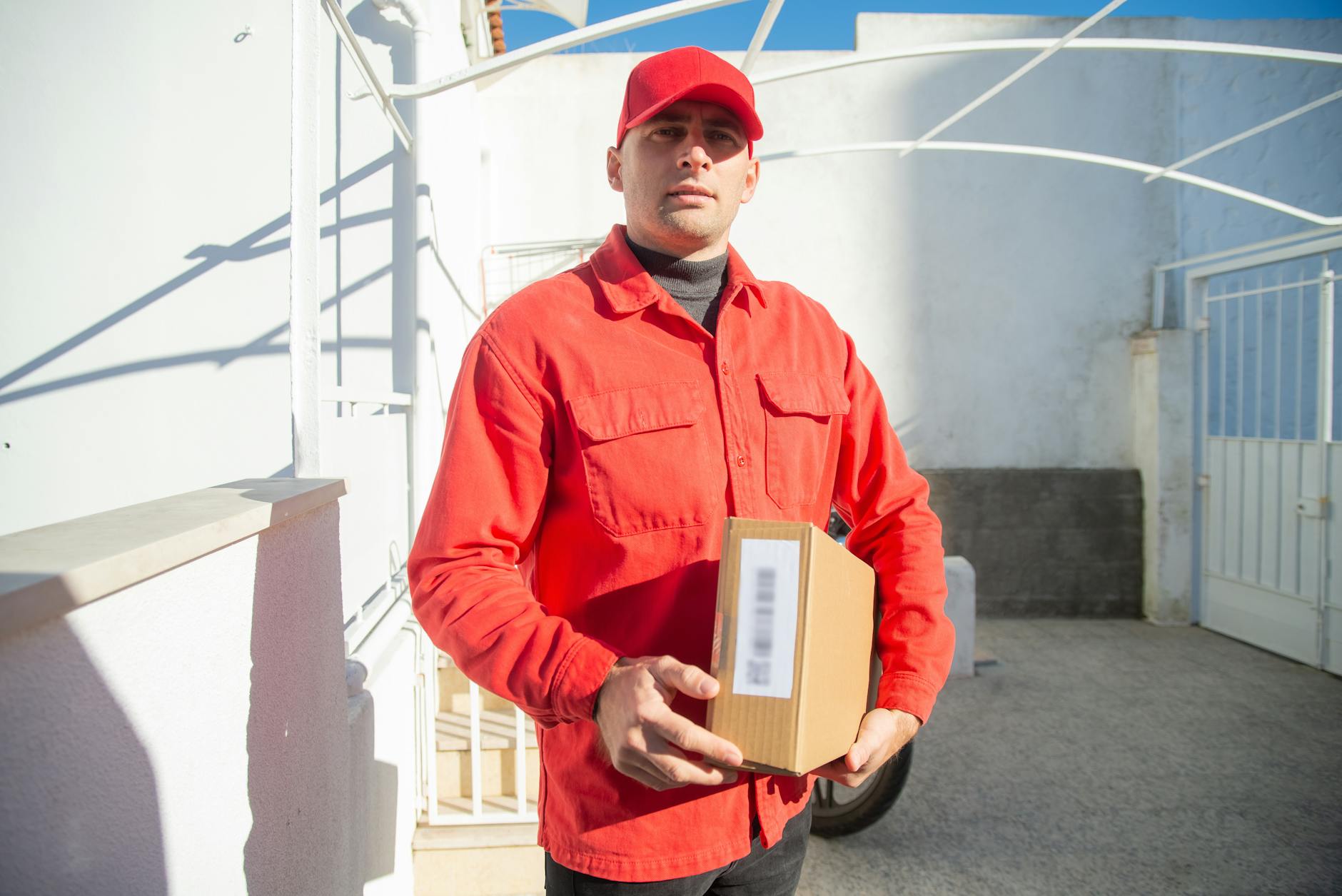
Advanced authentication features can detect fake uniforms and counterfeit delivery vehicles. The systems maintain databases of official carrier branding, vehicle markings, and uniform designs. When someone approaches wearing suspicious or unofficial delivery attire, the system triggers enhanced security protocols.
Package authentication also protects delivery drivers from false claims. Video evidence with biometric verification helps companies defend against fraudulent complaints while ensuring their drivers follow proper delivery protocols.
Major Brands Leading Authentication Innovation
Ring dominates the smart doorbell market with over 10 million devices installed worldwide. Their latest authentication features include package dimension measurement, weight estimation, and advanced facial recognition that can identify regular delivery personnel. Ring’s partnership with Amazon provides additional verification through integration with delivery scheduling systems.
Google Nest has developed authentication technology that works with their broader smart home ecosystem. Nest doorbells can coordinate with indoor cameras and smart locks to create secure delivery zones. When authenticated deliveries arrive, the system can automatically unlock package storage compartments or notify homeowners to authorize secure indoor placement.
Eufy’s authentication system focuses on local processing to address privacy concerns. Their doorbells analyze package authentication data directly on the device rather than uploading biometric information to cloud servers. This approach appeals to privacy-conscious consumers while maintaining effective fraud prevention.
Arlo has introduced subscription-based authentication services that provide enhanced fraud protection for high-value deliveries. Their system can flag packages worth over certain amounts and require additional verification steps before marking deliveries as complete.
Integration Challenges and Privacy Considerations
Package authentication faces significant technical hurdles as delivery companies work with multiple doorbell manufacturers. Creating standardized authentication protocols requires cooperation between Ring, Nest, doorbell makers, and shipping companies like UPS, FedEx, and Amazon.
Privacy advocates raise concerns about biometric data collection from delivery personnel. Many authentication systems capture facial recognition data from drivers and store it on cloud servers. Some cities have proposed regulations limiting how long companies can retain delivery worker biometric information.

Battery life remains a challenge for wireless smart doorbells running authentication software. The constant scanning, analysis, and cloud communication required for package verification drains batteries faster than basic doorbell functions. Manufacturers are developing more efficient processors and larger battery systems to address these limitations.
False authentication alerts create user experience problems. Systems that incorrectly flag legitimate deliveries or fail to authenticate valid packages can frustrate homeowners and delivery companies. Machine learning improvements continue reducing false positive rates while maintaining security effectiveness.
Future of Authenticated Package Delivery
Smart doorbell authentication represents the beginning of comprehensive delivery verification systems. As package theft continues rising and online shopping grows, authentication technology will become standard equipment for protecting deliveries and preventing fraud.
Integration with drone delivery systems presents the next authentication frontier. Companies testing drone deliveries need verification methods that work without human carriers. Smart doorbells are developing recognition systems for delivery drones, automated verification of drop zones, and authentication protocols for unmanned package placement.
The technology promises to reshape how we think about package security, creating digital proof of delivery that protects everyone involved in the shipping process while reducing the billions lost annually to package fraud.
Frequently Asked Questions
How do smart doorbells authenticate package deliveries?
They use facial recognition, barcode scanning, and uniform verification to create digital proof of legitimate deliveries with timestamps and carrier identification.
Can smart doorbell authentication prevent package theft?
Yes, by creating immediate alerts when unauthorized people approach delivered packages and maintaining surveillance records for evidence.