


Professional streamers are borrowing the playbook from television sports broadcasters, transforming solo gaming sessions into cinematic productions with multiple camera angles, instant replays, and picture-in-picture views that rival prime-time coverage.
What started as simple webcam setups has evolved into sophisticated broadcasting operations. Top streamers now deploy overhead cameras for keyboard and mouse shots, side-angle cameras for profile views, and specialized equipment to capture controller movements during intense gameplay moments. The production values mirror what viewers expect from major sporting events, complete with seamless transitions and strategic camera switches that enhance storytelling.
The shift reflects streaming’s maturation from hobby broadcasts to professional entertainment. Major streamers are investing thousands of dollars in multi-camera rigs, hiring dedicated camera operators, and studying broadcast television techniques to keep audiences engaged during hours-long gaming sessions.
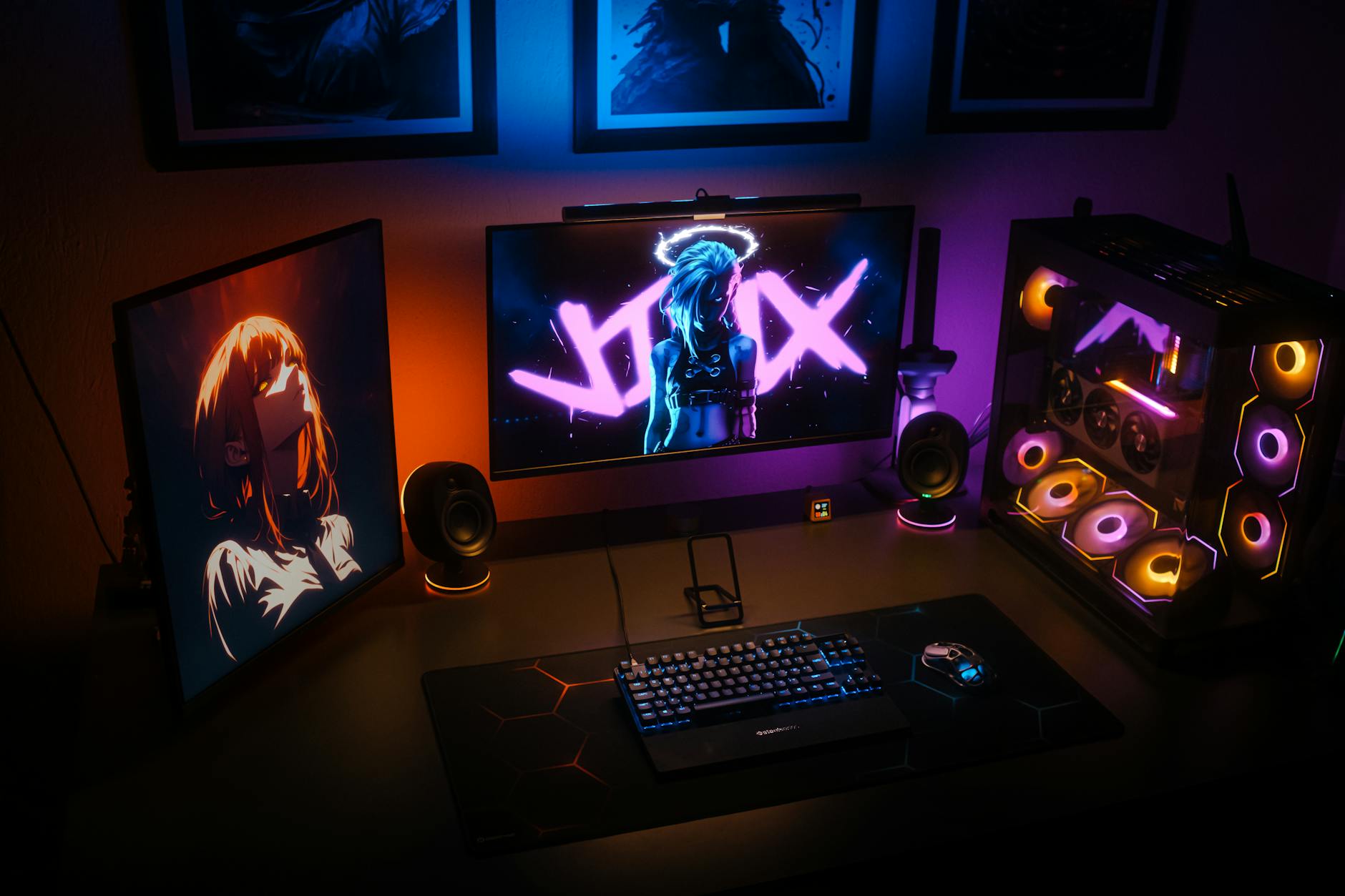
The Technical Evolution Behind Multi-Camera Streaming
Modern streaming setups incorporate three to six different camera angles, each serving a specific narrative purpose. The primary “face cam” remains central, but supplementary angles add layers of engagement that single-camera streams cannot match. Overhead shots capture the intricate hand movements during fast-paced gaming, while wide-angle cameras show the streamer’s full setup and environment.
Professional streamers are using ATEM Mini switchers and similar hardware to manage multiple video feeds in real-time. These devices, originally designed for live event production, allow streamers to cut between angles instantly, create picture-in-picture compositions, and add professional transitions without interrupting the live broadcast.
The technical demands have created a new category of streaming consultant – experts who design and install multi-camera systems for content creators. These specialists understand both the broadcast technology and the unique needs of gaming content, creating setups that can handle split-second timing requirements while maintaining visual quality across all feeds.
Audio synchronization presents another layer of complexity. Multiple microphones capture different perspectives, from close-up commentary to ambient room sound, requiring sophisticated mixing boards and audio processing software to maintain consistent quality across camera angles.
Learning from Sports Broadcasting Pioneers
The influence of traditional sports broadcasting is unmistakable in modern streaming production. Streamers study how networks like ESPN and Fox Sports use camera angles to build tension, highlight key moments, and maintain viewer engagement during slower periods. The “hero shot” concept from sports – focusing on a player during crucial moments – translates directly to gaming streams during clutch plays or intense reactions.
Instant replay functionality has become a streaming staple, with streamers using dedicated capture hardware to create immediate replays from different angles. This technique, borrowed directly from sports television, allows viewers to experience key gaming moments multiple times while the streamer provides commentary and analysis.
Picture-in-picture layouts mirror sports broadcasts, showing the main gameplay alongside the streamer’s reactions or supplementary camera angles. Some streamers experiment with split-screen formats during multiplayer games, creating a broadcast experience that feels more like professional sports coverage than traditional gaming content.
The pacing techniques from sports broadcasting also inform streaming strategies. Camera operators and streamers coordinate to create rhythm through angle changes, building anticipation during setup phases and switching to more dynamic shots during action sequences.
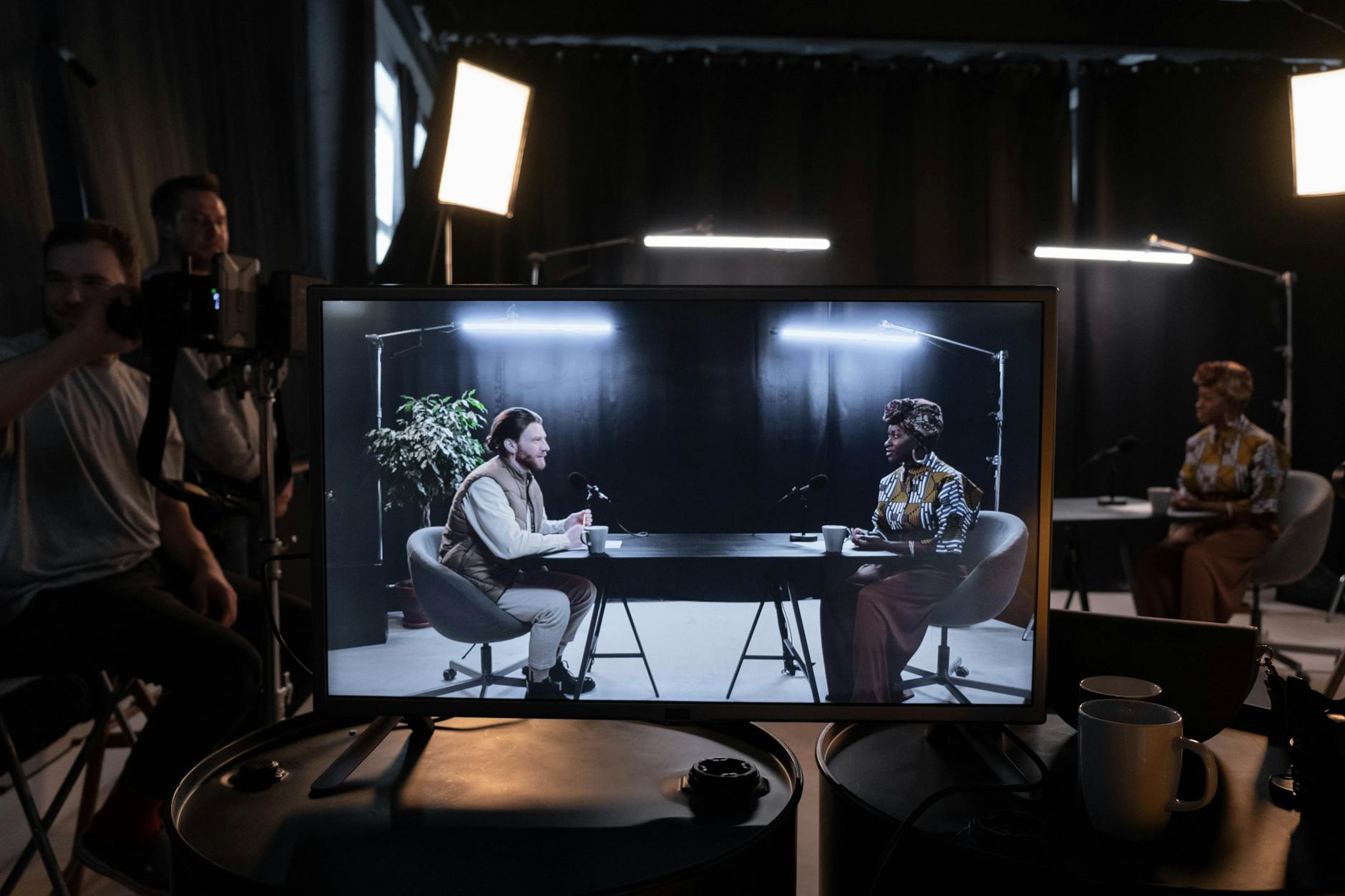
Production Teams Behind the Streams
What appears as a solo streaming experience often involves teams of three to five people working behind the scenes. Camera operators manage multiple feeds while the streamer focuses on gameplay and audience interaction. Technical directors handle switching, audio mixing, and graphics integration, while producers coordinate timing and content flow.
This team-based approach mirrors television production workflows, with clearly defined roles and responsibilities. The streamer functions as both performer and on-air talent, while support staff handle technical execution and production quality. Communication systems, including private audio channels, allow real-time coordination without disrupting the viewer experience.
Some streaming operations employ dedicated replay operators who monitor gameplay for highlight moments, creating instant replays and clips for social media distribution. These specialists understand both the technical requirements and the narrative elements that make gaming moments compelling for audiences.
The investment in production teams reflects streaming’s economic potential. Top streamers generate significant revenue through subscriptions, sponsorships, and merchandise sales, justifying the costs of professional production crews and equipment.
Impact on Viewer Engagement and Content Quality
Multi-camera streaming directly correlates with increased viewer retention and engagement metrics. Audiences spend longer periods watching streams with varied visual content, and interaction rates improve when viewers can see different perspectives of the gaming experience. The cinematic quality keeps viewers engaged during natural lulls in gameplay, maintaining audience attention through visual storytelling rather than just commentary.
Analytics from major streaming platforms show that multi-camera streams generate higher average view durations and more frequent return viewers. The investment in production quality pays dividends through increased subscriber counts and sponsorship opportunities, as brands prefer partnering with streamers who deliver professional-quality content.
The evolution has raised expectations across the streaming industry. Newer streamers face pressure to invest in multi-camera setups to compete with established creators, driving innovation in affordable streaming technology and equipment. This competitive dynamic benefits viewers through consistently improving content quality and production values.
Accessibility improvements in gaming hardware have also influenced streaming production, with streamers showcasing adaptive controllers and specialized equipment through dedicated camera angles that highlight inclusive gaming practices.
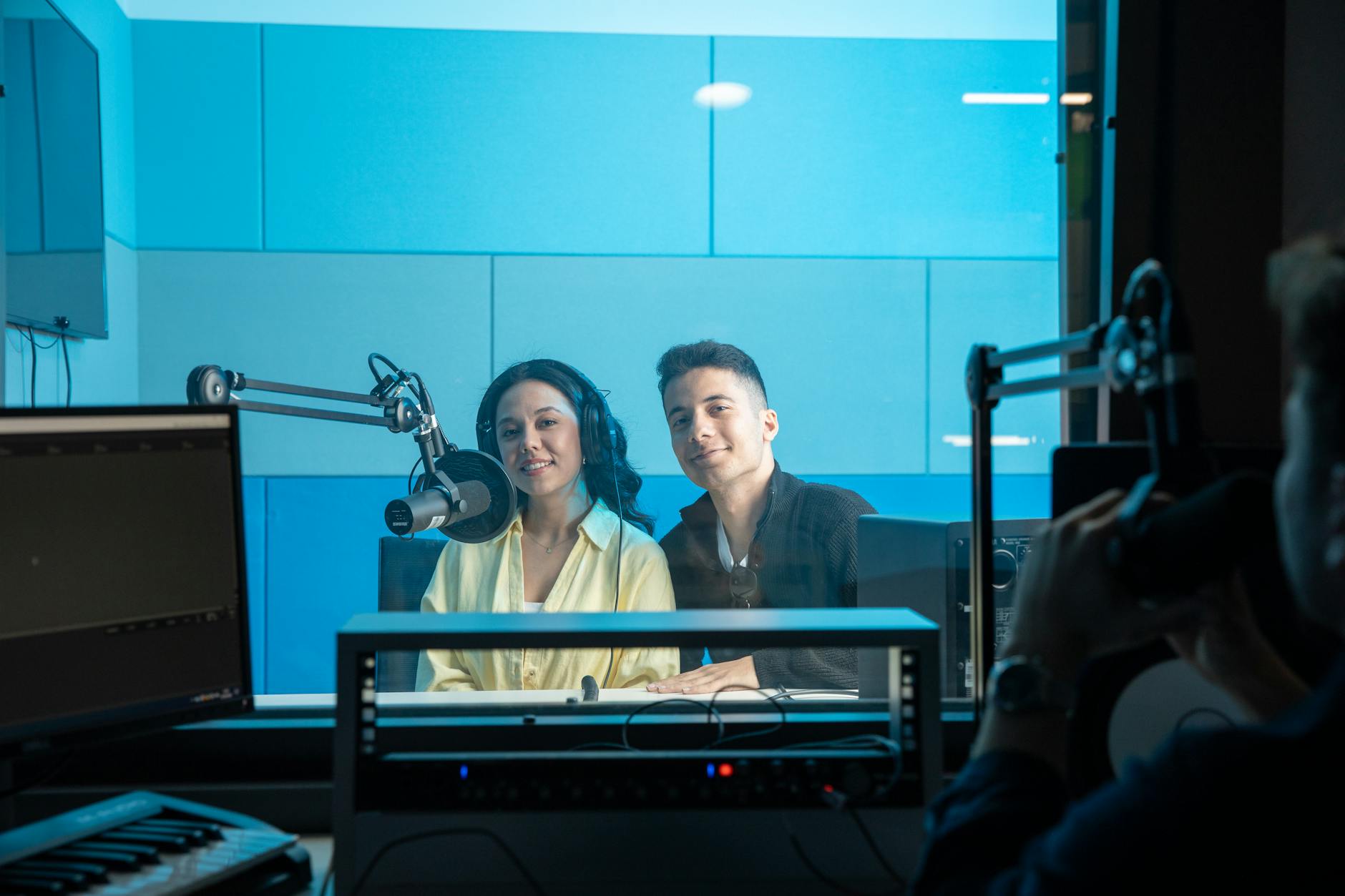
The multi-camera streaming trend continues expanding beyond gaming into other content categories, with talk shows, cooking streams, and educational content adopting similar production techniques. As streaming technology becomes more accessible and affordable, the gap between amateur and professional content creation narrows, benefiting both creators and audiences.
The future points toward even more sophisticated streaming productions, with automated camera systems, AI-powered angle selection, and integration with emerging technologies that will further blur the lines between gaming streams and traditional broadcast television. Professional streamers are not just playing games – they’re creating entertainment experiences that rival mainstream media production values.
Frequently Asked Questions
How many cameras do professional streamers typically use?
Most professional streamers use 3-6 cameras including face cam, overhead shots, side angles, and controller views for comprehensive coverage.
What equipment do streamers need for multi-camera setups?
Streamers need multiple cameras, ATEM Mini switchers, audio mixing boards, capture hardware, and often dedicated production teams for seamless operation.
