


Professional esports athletes are discovering what top-tier physical athletes have known for decades: sleep quality directly impacts competitive performance. Teams like Cloud9, TSM, and Team Liquid are now investing heavily in sleep optimization technology, turning what was once considered downtime into a strategic advantage.
The esports industry has evolved from basement tournaments to a multi-billion-dollar ecosystem where millisecond reaction times and sustained focus determine victory. As prize pools reach millions of dollars and professional leagues mirror traditional sports structures, teams are adopting the same performance optimization strategies used by Olympic athletes and NFL players.
Sleep science has proven that quality rest affects reaction time, decision-making, memory consolidation, and stress hormone regulation. For esports athletes who must maintain peak cognitive performance during 12-hour practice sessions and high-pressure tournament matches, sleep has become as crucial as mechanical skill training.
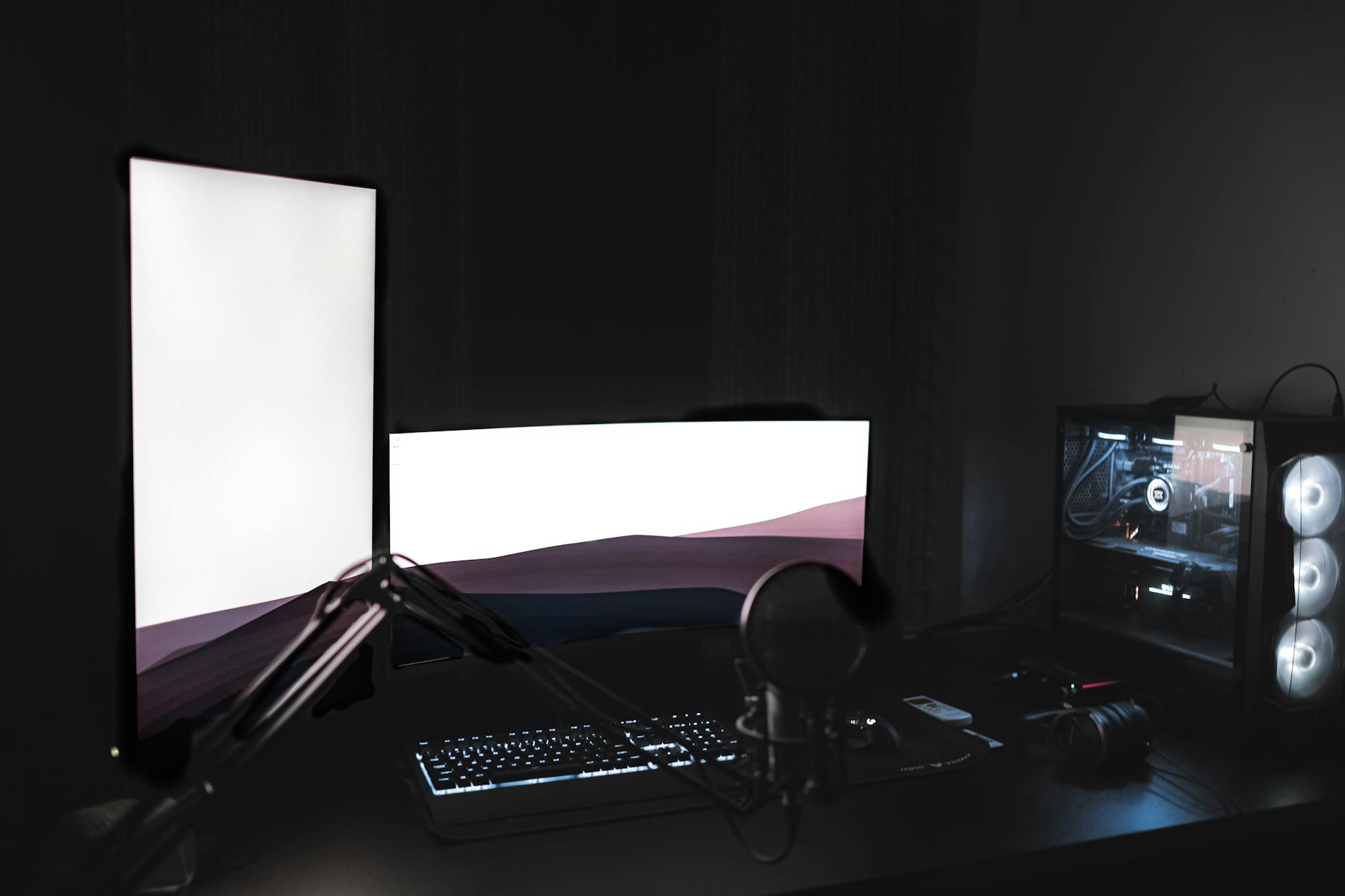
Smart Sleep Tracking Transforms Team Performance
Leading esports organizations are partnering with companies like Oura, WHOOP, and Sleep Number to monitor their players’ sleep patterns with scientific precision. These wearable devices track sleep stages, heart rate variability, body temperature, and movement throughout the night, providing coaches with detailed data about each player’s recovery status.
Cloud9’s League of Legends team reportedly uses comprehensive sleep monitoring to optimize practice schedules around individual circadian rhythms. Players wear devices that measure deep sleep percentage, REM cycles, and sleep debt, allowing coaches to identify when someone needs rest versus when they’re primed for intensive training.
The data reveals patterns that traditional coaching methods miss. Some players perform better with morning practice sessions, while others hit peak cognitive performance in late afternoon. Teams are restructuring entire training schedules based on sleep data, moving away from the grinding culture that once defined competitive gaming.
Professional teams also use environmental monitoring systems that track bedroom temperature, humidity, and light exposure. These systems automatically adjust room conditions throughout the night to optimize each sleep stage. Temperature regulation proves particularly important, as even small variations can fragment sleep patterns and reduce recovery quality.
Blue Light Management and Circadian Rhythm Protection
Gaming requires extensive screen time, creating unique challenges for sleep optimization. Professional teams are implementing sophisticated blue light management systems that go far beyond basic screen filters. Advanced gaming monitors now feature dynamic color temperature adjustment that gradually shifts throughout the day, following natural circadian patterns.
Players use specialized gaming glasses with lenses designed specifically for esports athletes. These aren’t standard blue light blockers but precisely calibrated filters that maintain color accuracy for competitive play while reducing circadian disruption. Some teams have custom lenses made for each player based on their individual light sensitivity and gaming schedule.
Room lighting systems play an equally important role. Practice facilities now feature circadian lighting that mimics natural sunlight patterns, using bright, blue-rich light during training hours and gradually shifting to warm, dim lighting as evening approaches. This helps maintain healthy melatonin production despite irregular tournament schedules and late-night matches.
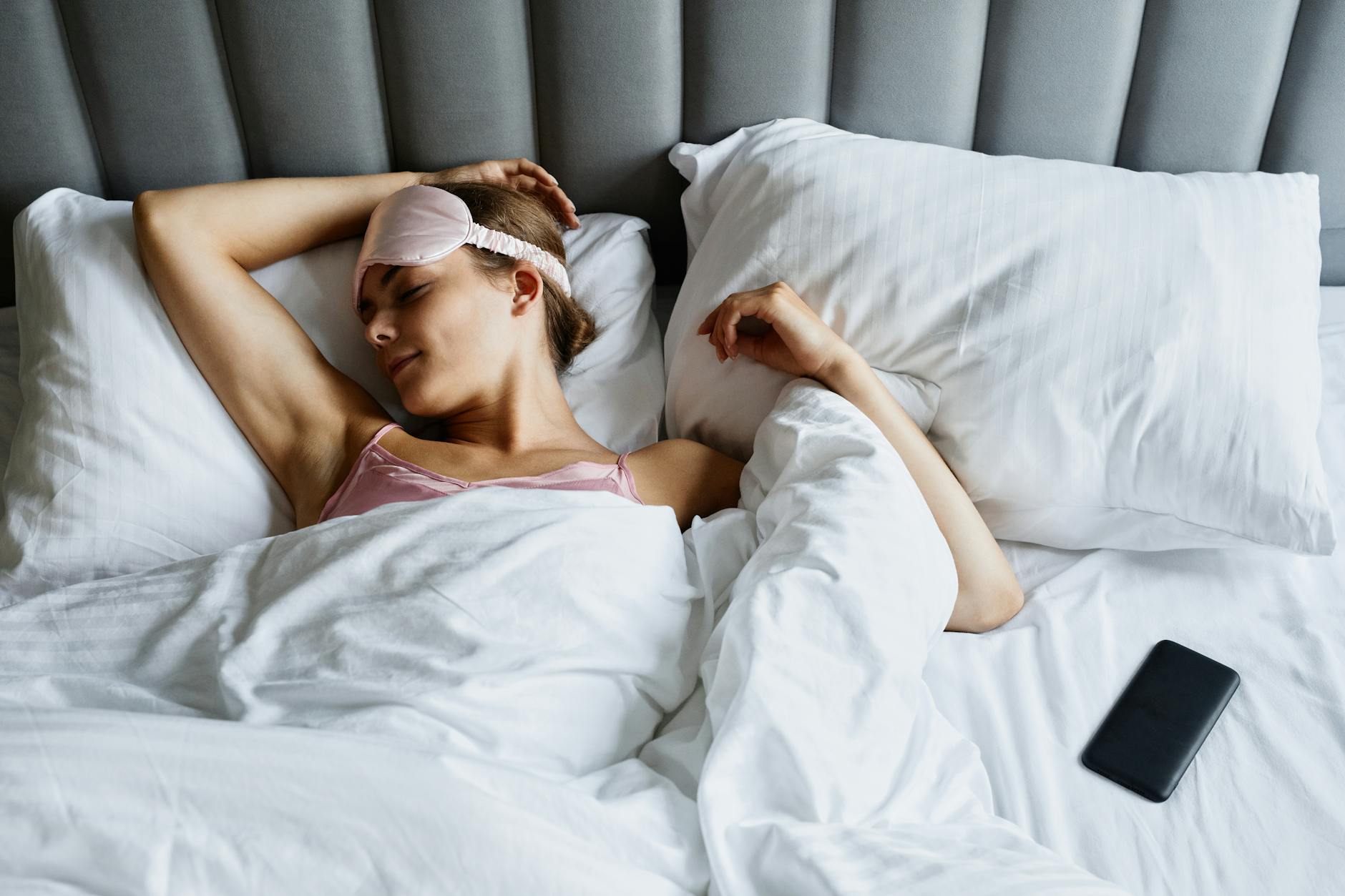
Sleep clinics specializing in esports athletes have emerged in major gaming hubs. These facilities combine traditional sleep medicine with gaming-specific challenges, addressing issues like delayed sleep phase syndrome common among players who compete during evening hours across multiple time zones.
Recovery Technology and Sleep Enhancement Tools
Beyond monitoring, teams are investing in active sleep enhancement technologies. Cooling mattress systems maintain optimal body temperature throughout the night, while smart pillows adjust firmness and height based on sleep position and breathing patterns. Some players use weighted blankets designed specifically for anxiety reduction during high-stress tournament periods.
Sound optimization has become increasingly sophisticated. Teams use acoustic analysis to eliminate disruptive frequencies from gaming house bedrooms. White noise machines are calibrated to mask street noise and teammate activity without disrupting natural sleep cycles. Some players use bone conduction headphones that play specifically designed sleep audio without blocking ambient sound awareness.
Supplementation protocols based on sleep data are becoming standard practice. Rather than generic melatonin, teams work with sports nutritionists to develop personalized supplement regimens that might include magnesium, L-theanine, or tart cherry extract, timed precisely based on individual circadian patterns and training schedules.
Recovery tools like compression therapy, red light panels, and meditation apps integrate with sleep tracking systems. Players receive personalized recovery protocols each day based on their previous night’s sleep quality and upcoming competition schedule.
The technology extends to travel management, which presents unique challenges for international tournament circuits. Teams use light therapy devices to help players adjust to new time zones more efficiently. Portable sleep optimization kits include travel-sized versions of their home systems, maintaining consistent sleep environments across different hotels and venues.
Mental Performance and Cognitive Enhancement
Sleep optimization directly impacts the cognitive skills that separate professional players from amateur competitors. Research shows that even modest sleep deprivation reduces reaction time, impairs pattern recognition, and decreases strategic thinking ability. For games like Counter-Strike or League of Legends, where split-second decisions determine match outcomes, these effects can be career-defining.
Teams are using cognitive testing protocols that correlate sleep quality with in-game performance metrics. Players take reaction time tests, memory assessments, and attention span evaluations each morning, creating detailed profiles of how sleep affects their competitive abilities. This data helps optimize pre-match preparation and identifies when players need additional recovery time.
Some organizations partner with neurofeedback specialists who train players to achieve specific brainwave states conducive to both high-performance gaming and quality sleep. These sessions help players learn to downshift from the high-stimulation gaming environment to a relaxed state suitable for recovery.
The integration of sleep technology with innovative gaming development tools is creating new possibilities for performance enhancement. As the esports industry continues professionalizing, sleep optimization represents a competitive advantage that forward-thinking teams are already leveraging.
The Future of Performance Optimization in Esports
As esports continues growing toward mainstream recognition, sleep optimization technology will likely become as standard as high-end gaming peripherals. The current generation of professional players is pioneering approaches that will define competitive gaming for decades to come.
Teams investing in comprehensive sleep optimization report improved player retention, reduced burnout, and better tournament performance. This holistic approach to athlete wellness signals esports’ evolution from hobby to legitimate professional sport, complete with the support systems that enable sustained peak performance.
The technology continues advancing rapidly, with new monitoring devices and optimization tools entering the market regularly. As the science of sleep continues evolving, esports athletes will likely benefit from increasingly sophisticated systems that push the boundaries of human cognitive performance.
Frequently Asked Questions
How does sleep affect esports performance?
Poor sleep reduces reaction time, impairs decision-making, and decreases pattern recognition – all critical skills for competitive gaming success.
What sleep technology do professional gamers use?
Teams use wearable sleep trackers, smart mattresses, circadian lighting systems, and specialized blue light filtering devices designed for gaming.